Hantavirus Case Confirmed on Atlantic Cruise Ship, Raising Sanitation Concerns
A confirmed hantavirus case on an Atlantic cruise ship has put sanitation under a sharper lens. The virus is rare, but the route of spread makes rodent exposure the key concern.
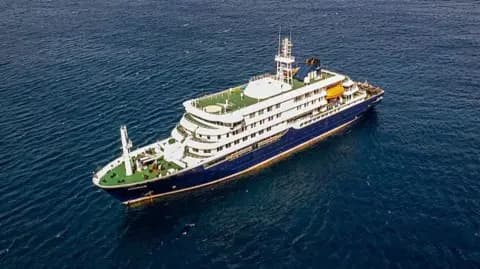
A hantavirus case confirmed on an Atlantic cruise ship has raised fresh questions about rodent control, sanitation and how much risk passengers actually faced. The virus is rare in the United States, but it can be serious, and the main concern is not casual contact. It spreads when people inhale airborne particles from dried rodent droppings.
That distinction matters because hantavirus disease is a nationally notifiable condition, and the Centers for Disease Control and Prevention says 890 laboratory-confirmed cases were reported in the United States from 1993 through the end of 2023. In other words, this is an uncommon infection, not a routine cruise-ship threat. The public-health significance lies in whether there was any rodent activity, contamination in enclosed spaces, or exposure to areas where droppings could have dried and become airborne.
A confirmed case can be established through laboratory evidence, including hantavirus-specific IgM antibodies, a four-fold rise in IgG, IgG seroconversion, RT-PCR detection of hantavirus RNA or immunohistochemical evidence of hantavirus antigens, according to the World Health Organization. That testing framework helps distinguish a suspected illness from a confirmed diagnosis, which is critical when authorities assess whether a shipboard event points to a sanitation lapse or a more isolated exposure.
Hantavirus pulmonary syndrome is the best-known U.S. form of the disease and has long been described as severe and potentially fatal, with earlier Associated Press reporting citing a fatality rate of about 40% in a U.S. health context. The World Health Organization also notes that hantavirus disease includes hemorrhagic fever with renal syndrome, or HFRS, which is caused by old-world hantaviruses and presents differently from HPS.
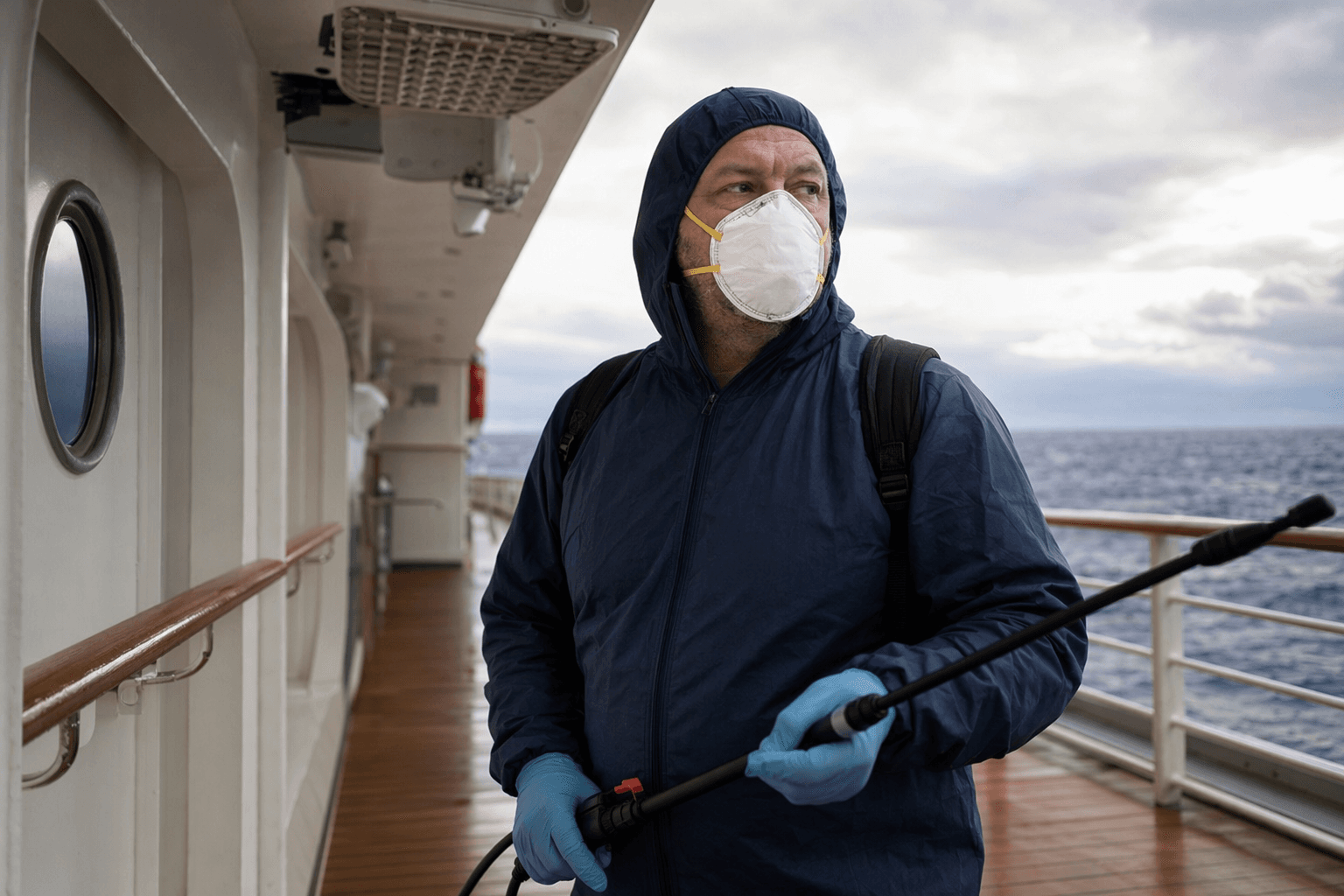
Cruise-ship illness reporting rules add another layer. The CDC’s Vessel Sanitation Program posts outbreak information when reporting thresholds are met or when an outbreak is of public-health significance, making sanitation and environmental inspection central to how shipborne illnesses are tracked in U.S. jurisdiction. That does not mean every onboard illness triggers a broad emergency response, but it does mean unusual findings can bring official scrutiny quickly.
For travelers, the practical takeaway is narrower than the headline suggests: hantavirus is not spread person-to-person in typical U.S. cases, and the real risk depends on direct contact with contaminated areas or evidence of rodent exposure. The case on the Atlantic cruise ship is important because it points investigators toward sanitation, not panic.
This article was produced by Prism’s automated news system from verified source data, official records, and press releases, then run through automated quality and moderation checks before publishing. The system is built and supervised by the people who set the standards it runs under. Read our full AI policy.
Did this article answer your question?