Hantavirus cases linked to cruise ship outbreak may keep rising
Six Andes virus infections and three deaths have already been confirmed on the MV Hondius, and more cases could still surface as exposed travelers are traced across several countries.
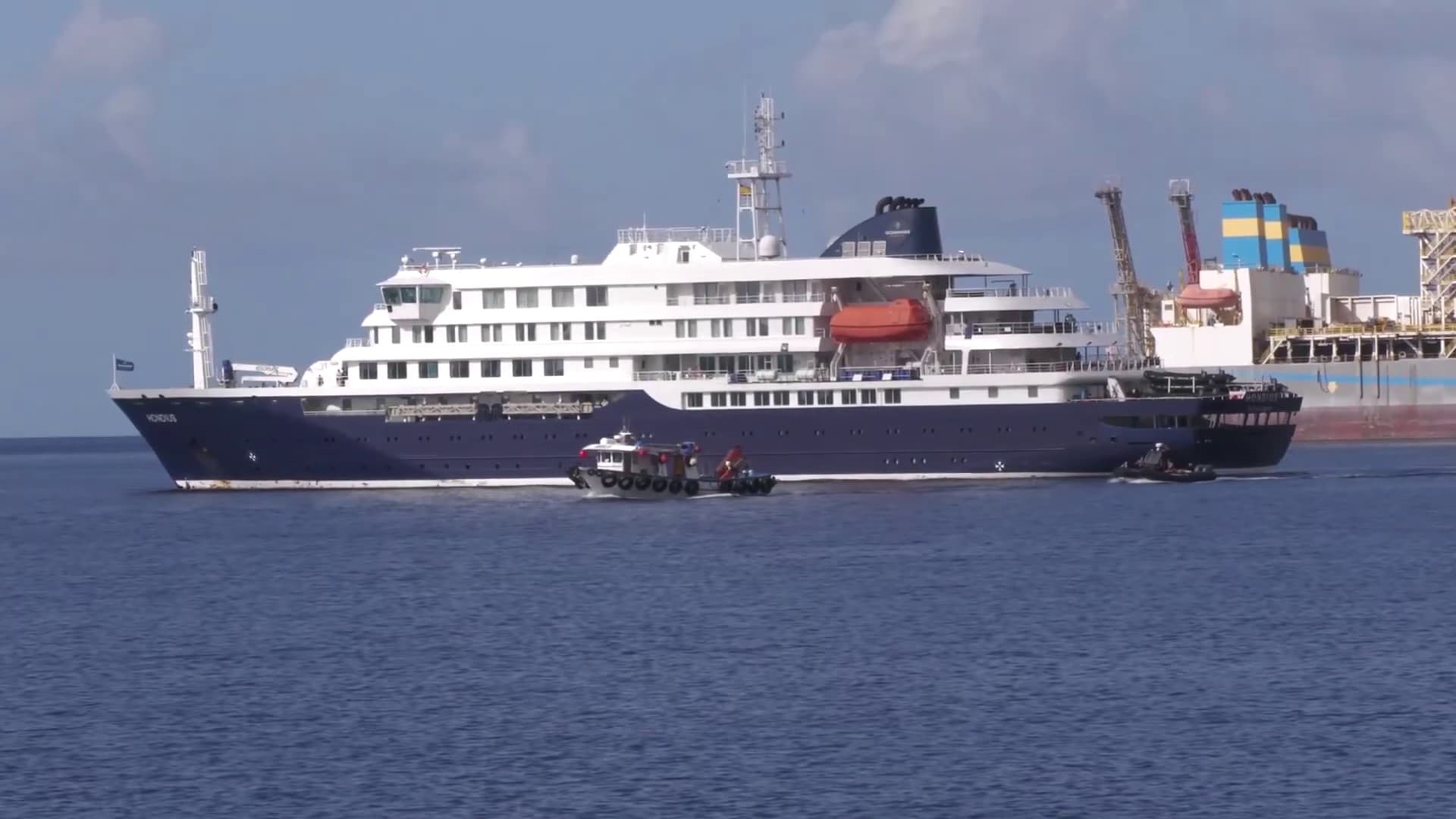
More hantavirus cases may still emerge from the MV Hondius outbreak because illness has already unfolded over weeks, contact tracing now spans several countries and the Andes virus can spread from person to person in close quarters. Global health officials have said the overall risk remains low, but they have kept a sharper warning for passengers and crew aboard the ship, where the risk is still considered moderate.
The World Health Organization first reported the cluster on May 2 after severe respiratory illness was identified on the Dutch-flagged cruise ship, which had sailed from Ushuaia, Argentina, through the South Atlantic and Antarctic region. By May 4, WHO had identified seven cases, including two laboratory-confirmed hantavirus infections, five suspected cases and three deaths. By May 8, that total had risen to eight cases, with six laboratory-confirmed Andes virus infections and a case fatality ratio of 38%. The ship carried 88 passengers and 59 crew members from 23 nationalities, and illness onset among reported cases stretched from April 6 to April 28.
Officials are watching the outbreak closely because Andes virus is the only known hantavirus documented to spread person to person, usually through prolonged close contact. The transmission pattern on the ship is still being investigated, and that uncertainty is one reason health agencies are treating the event as a preparedness issue, not just a count of cases. WHO Director-General Tedros Adhanom Ghebreyesus said there was no evidence the event was “the start of another COVID pandemic,” while stressing that containment work was not finished.
WHO said it deployed an expert onto the vessel and arranged shipment of 2,500 diagnostic kits from Argentina to laboratories in five countries to expand testing. Contact tracing has expanded internationally as passengers and crew disembarked in places including Cabo Verde, Saint Helena, Spain’s Canary Islands, the Netherlands, South Africa, Germany and the United States. The Dutch couple believed to be among the earliest cases had traveled through Argentina, Chile and Uruguay before boarding, including areas where rodent hosts of Andes virus are present.
In the United States, the Centers for Disease Control and Prevention said on May 12 that no Andes virus cases had been confirmed from the outbreak and that the risk to the American public and travelers remains extremely low. The federal response has included repatriating exposed passengers to the Nebraska Biocontainment Unit and Emory University Hospital in Atlanta. The immediate lesson for travelers and health systems is clear: recent exposure to a cruise-linked Andes virus cluster warrants isolation, testing and close follow-up, because more illnesses can still surface before the full chain of transmission is mapped.
Know something we missed? Have a correction or additional information?
Submit a Tip