Hantavirus-linked cruise ship arrives in Canary Islands for passenger evacuations
The Hondius reached the Canary Islands with 147 people aboard as officials lined up evacuations, repatriation flights and a 42-day isolation plan.
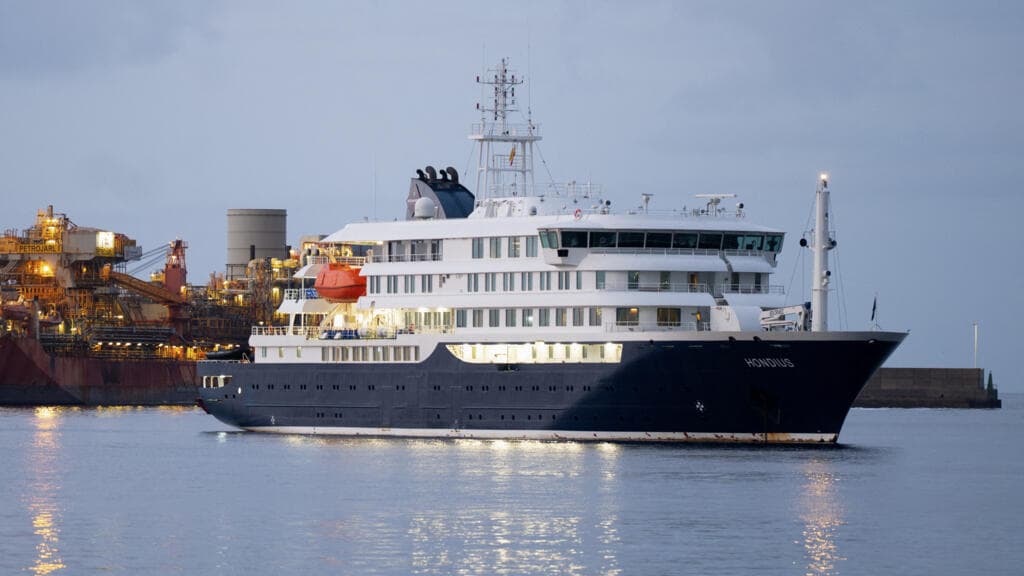
The Dutch-flagged MV Hondius anchored off Spain’s Canary Islands with 147 people aboard as health authorities moved to separate exposed passengers from the ship and route them into medical care. The response, spanning Spain, the World Health Organization and the Centers for Disease Control and Prevention, showed how maritime outbreak controls now hinge on screening, isolation, and tightly managed transport rather than broad shutdowns.
The vessel carried 88 passengers and 59 crew members from 23 nationalities, and investigators had identified eight cases linked to the outbreak by May 8, including six confirmed infections and two suspected cases. WHO had reported seven cases by May 4, with three deaths already recorded, while the illness onset dates stretched from April 6 to April 28. Symptoms included fever, gastrointestinal illness, rapidly progressing pneumonia, acute respiratory distress syndrome and shock.
Health officials were investigating the cluster as an Andes virus event, a hantavirus strain for which limited person-to-person transmission has been reported in past outbreaks. The ship had departed Ushuaia, Argentina, on April 1 and traveled through Antarctica, South Georgia, Nightingale Island, Tristan da Cunha, Saint Helena and Ascension Island before the outbreak response narrowed the focus to the voyage and the pre-boarding period. A leading hypothesis in the investigation was exposure before boarding in Ushuaia, possibly during a bird-watching excursion that included a visit to a landfill where rodents may have been present.
By the time the ship was moved toward the Canary Islands, two patients and one suspected case had already been evacuated, including the British ship’s doctor. WHO said two evacuees tested positive in Senegal and were transported to hospitals in Amsterdam, Düsseldorf and Leiden. Spain’s health ministry said the vessel’s arrival would not pose a public risk, while Canary Islands regional president Fernando Clavijo expressed concern and sought a meeting with Prime Minister Pedro Sánchez.
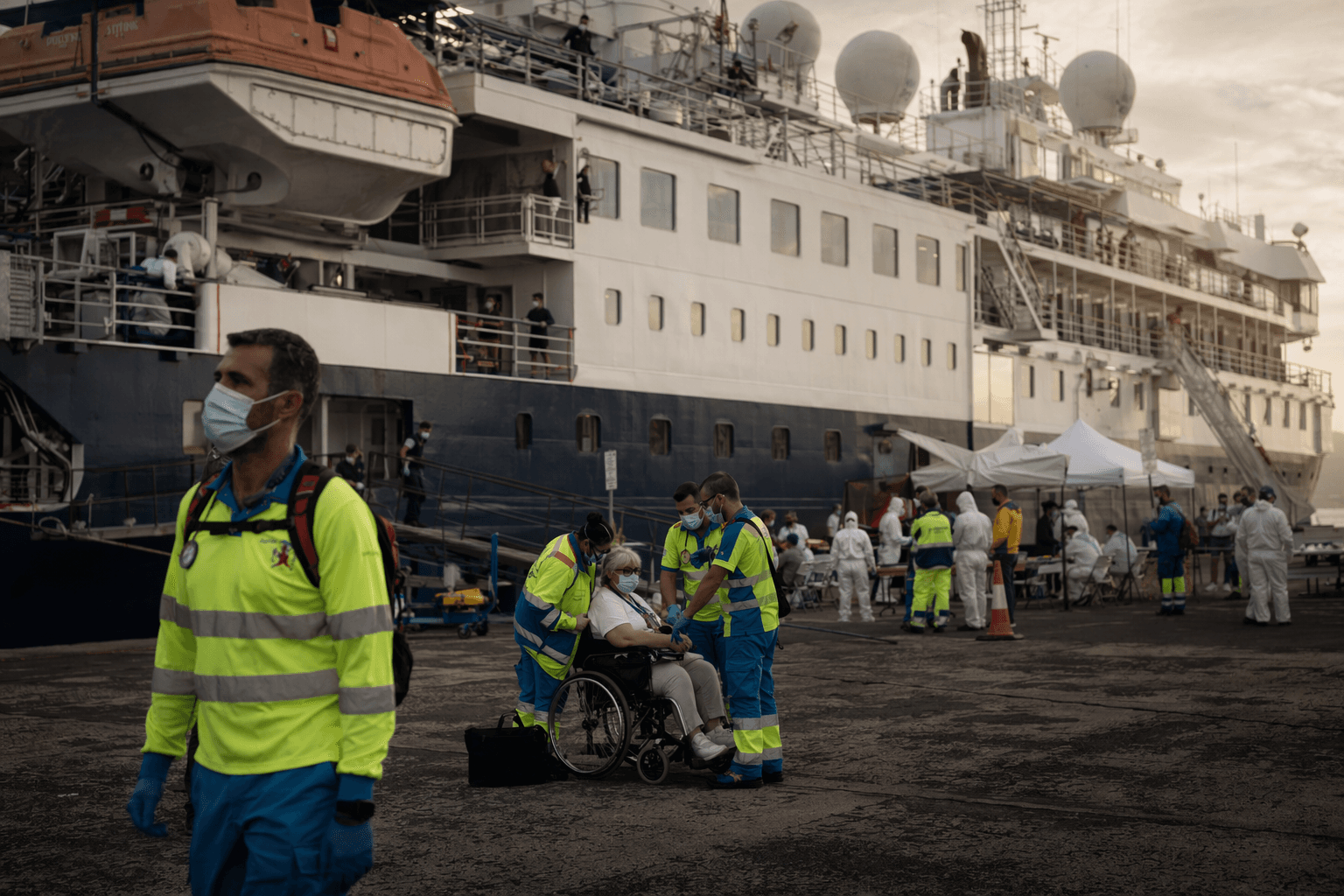
WHO Director-General Tedros Adhanom Ghebreyesus traveled to Tenerife on May 9 to oversee the operation, saying, "This disease is not COVID," and that "The risk to the local population is low." The WHO said the global public-health risk remained low as well, a judgment echoed by the CDC, which said the risk to the American public was extremely low.
The U.S. government said it was actively monitoring the outbreak, and the CDC sent epidemiologists and medical staff to the Canary Islands on May 7. American passengers were to be medically repatriated to Offutt Air Force Base in Omaha, Nebraska, then transferred to the National Quarantine Center at the University of Nebraska, Omaha. The WHO recommended that passengers removed from the ship remain in isolation for 42 days from the last possible exposure, underscoring how maritime tourism outbreaks are now being handled: by tracing contacts, isolating the exposed, and moving only the people who need treatment.
Know something we missed? Have a correction or additional information?
Submit a Tip