Hantavirus outbreak on Atlantic cruise ship leaves three dead, seven sick
Three deaths on the MV Hondius have turned a rare rodent-borne virus into a high-stakes shipboard test, with seven cases and evacuations still pending.
Hantavirus is a rare but potentially deadly respiratory illness that usually spreads when people breathe in particles contaminated by infected rodent urine, droppings, saliva, or nesting materials. Early symptoms can look like a bad flu, with fever, fatigue, and muscle aches, before some patients rapidly develop cough, shortness of breath, pneumonia, and shock. For passengers on the MV Hondius and for families waiting at home, the main concern is exposure to rodents or contaminated spaces, not casual contact with sick travelers, and the European Centre for Disease Prevention and Control has said the risk to Europeans is very low.
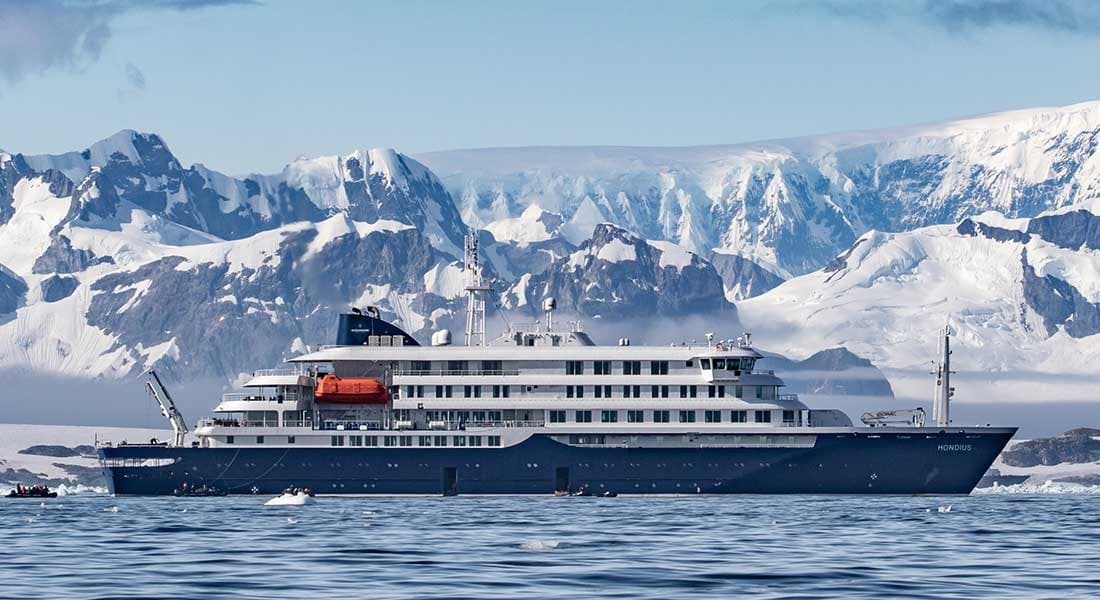
The outbreak has left three people dead and seven sick aboard the Dutch expedition cruise ship, which was sailing in the Atlantic and has been held offshore near Cape Verde while authorities weigh medical evacuations. The World Health Organization said on May 4 that the ship carried 147 passengers and crew and that seven cases had been identified, including two laboratory-confirmed hantavirus infections and five suspected cases. Among them were one critically ill patient and three people with mild symptoms.
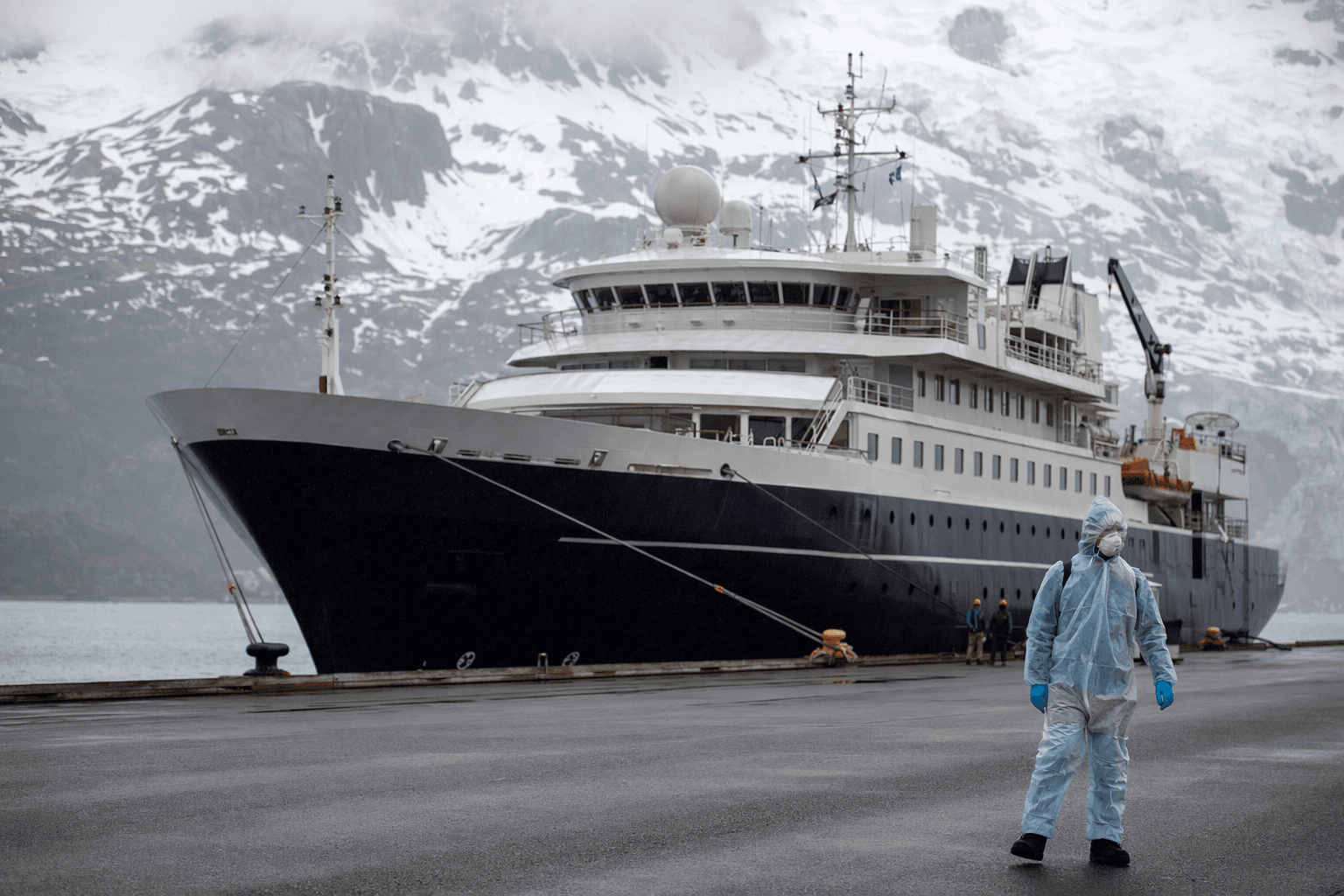
Oceanwide Expeditions, which operates the MV Hondius, said a passenger died on April 11 and later was disembarked on St. Helena on April 24 with his wife. The company said it was told on April 27 that she had become ill during the return journey and had also died. Both were Dutch nationals. Oceanwide later said another passenger died on May 2, while two crew members needed urgent medical care and one passenger was being treated in intensive care in Johannesburg.
The timing has complicated efforts to identify where the exposure happened. The WHO said illness onset among the cases fell between April 6 and April 28, a window that could point to infection before boarding, during an excursion in an endemic area, or through rodent exposure on the ship itself. That uncertainty has sharpened the public health challenge of managing a suspected infectious cluster in a closed environment, where every delay in testing, notification, and evacuation can shape the next decision.
Cape Verdean authorities had not authorized disembarkation at one point, leaving the vessel offshore while the investigation continued. The WHO said it had alerted national focal points under the International Health Regulations, reflecting the cross-border stakes of a shipborne outbreak on a vessel with multinational passengers and crew. Oceanwide said it was working with local health authorities, the WHO, the Dutch RIVM, embassies, and the Dutch Ministry of Foreign Affairs.
The episode has revived attention to a virus that first drew major public notice in the United States during the 1993 Four Corners outbreak. The Centers for Disease Control and Prevention says hantavirus pulmonary syndrome typically appears one to eight weeks after exposure to infected rodents and that rodent control is the main prevention strategy. Between that outbreak and the end of 2023, the CDC counted 890 U.S. cases, a reminder that even rare infections can become urgent when they surface in the wrong place at the wrong time.
Know something we missed? Have a correction or additional information?
Submit a Tip