Hantavirus outbreak on expedition cruise ship shakes luxury travel business
A hantavirus outbreak aboard the MV Hondius sickened 11 people and killed three, turning a luxury Atlantic voyage into a test of evacuation and isolation.

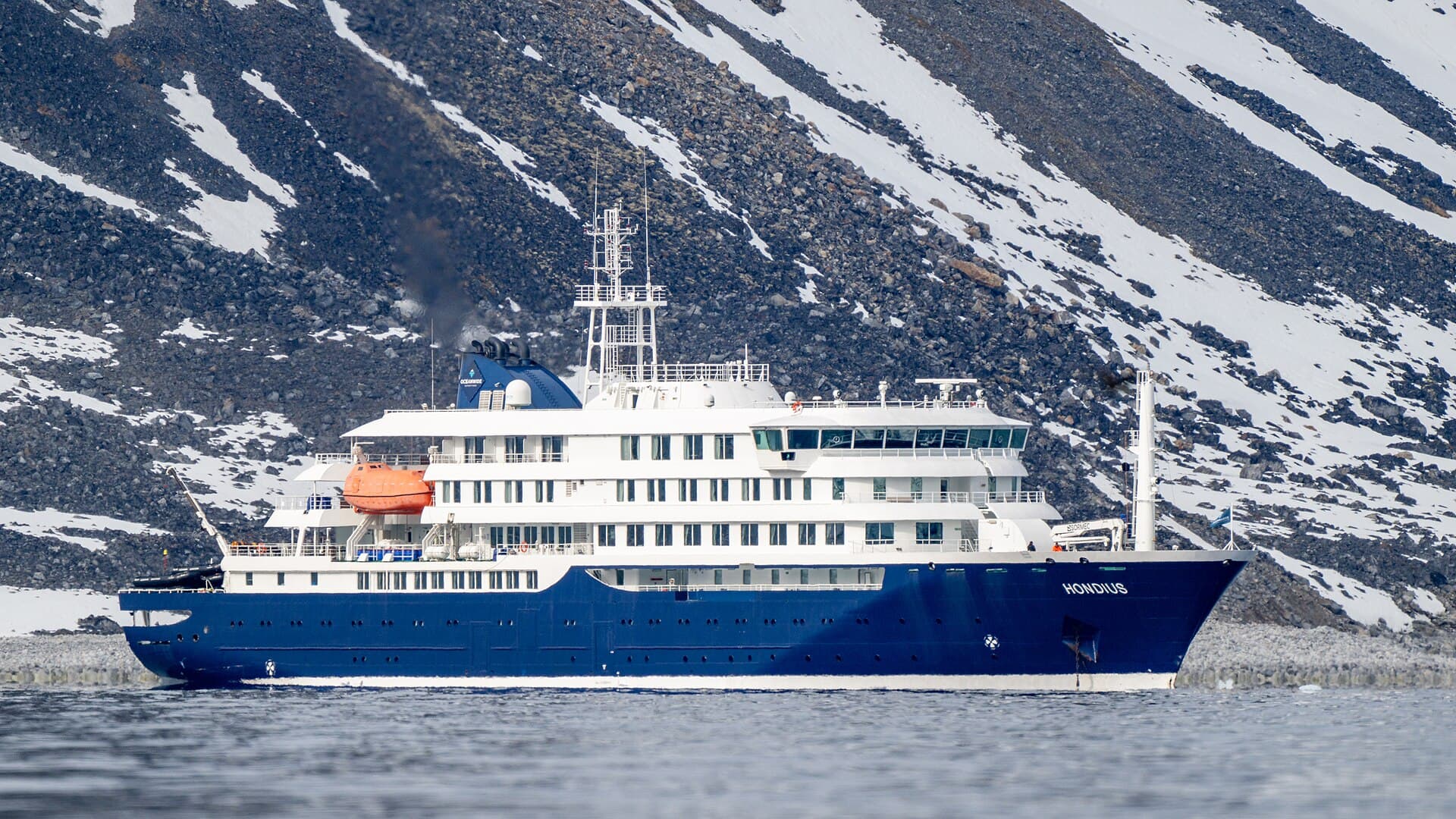
A premium expedition cruise marketed for remote access and adventure became a public-health emergency when the MV Hondius, carrying passengers through the Atlantic, was hit by a hantavirus outbreak that left 11 people ill and three dead. The ship, operated by Oceanwide Expeditions, was on its Atlantic Odyssey voyage, which departed Ushuaia, Argentina, on April 1 and was scheduled to end in Praia, Cape Verde, on May 4.
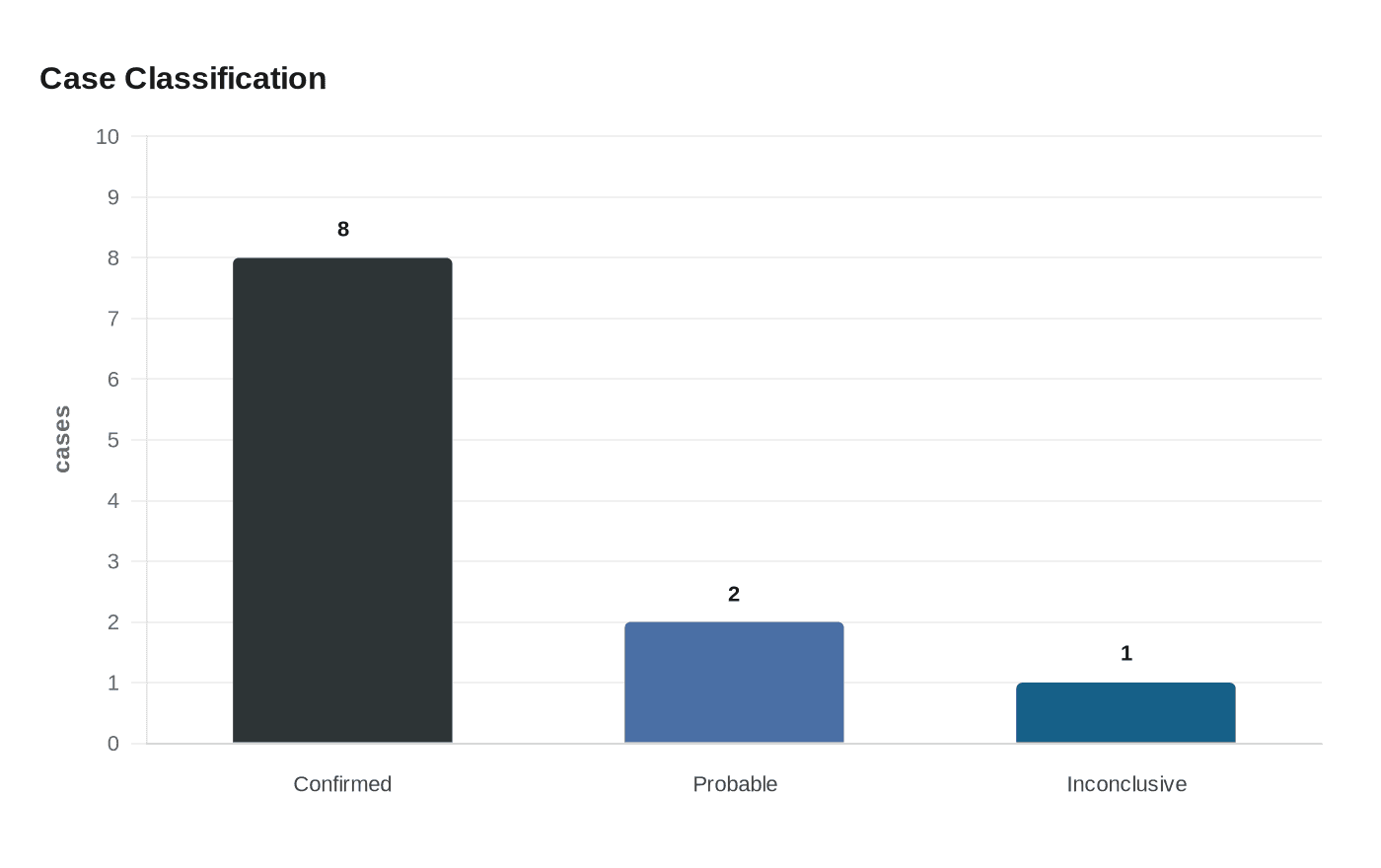
The World Health Organization said the outbreak was reported on May 2 after a cluster of passengers developed severe respiratory illness at sea. By May 13, WHO said 11 cases had been reported, including eight laboratory-confirmed Andes virus infections, two probable cases and one inconclusive case. Illness onset fell between April 6 and April 28, and the symptoms included fever, gastrointestinal illness, rapid progression to pneumonia, acute respiratory distress syndrome and shock.

The voyage underscored how fragile medical response can be when luxury travel moves far from shore. WHO said 147 passengers and crew were aboard at one point, with 34 already having disembarked. Oceanwide said the itinerary could be booked in segments, and some passengers left the ship at Saint Helena on April 24, complicating contact tracing across multiple countries and ports. WHO later said passengers from 23 countries had been on board, while confirmed cases were identified in the Netherlands, South Africa and Switzerland as the ship was still at sea. After the ship docked in Rotterdam for disinfection following a seven-week, roughly 8,500-mile journey, the logistics of isolating sick travelers, identifying exposed passengers and arranging care became as consequential as the outbreak itself.
Public health officials have stressed that the risk to the American public and travelers remains extremely low. The Centers for Disease Control and Prevention said Andes virus is the only hantavirus known to spread person to person, usually requiring close, prolonged contact with a symptomatic person, and that the outbreak does not represent a pandemic threat. Still, the incident forced a scrutiny of a fast-growing corner of the cruise industry built on remoteness and exclusivity. Cruise Lines International Association said the global cruise sector carried 37.2 million passengers in 2025, up 7.5% from 2024, as demand for isolated, experience-driven voyages keeps rising.
The response also tested international coordination. CDC said it repatriated 18 remaining American passengers on May 10, working with the Department of State and other partners. WHO said three deaths had been reported by May 13, and public health leaders described the situation as a critical moment for hantavirus control. For expedition cruising, the outbreak became a blunt reminder that selling danger as part of the experience does not erase the need for medical readiness, evacuation plans and honest risk disclosure when a ship is days from the nearest hospital.
This article was produced by Prism’s automated news system from verified source data, official records, and press releases, then run through automated quality and moderation checks before publishing. The system is built and supervised by the people who set the standards it runs under. Read our full AI policy.
Did this article answer your question?