Harris County Juvenile Judges Vary Greatly in Sending Violent Juveniles to Prison
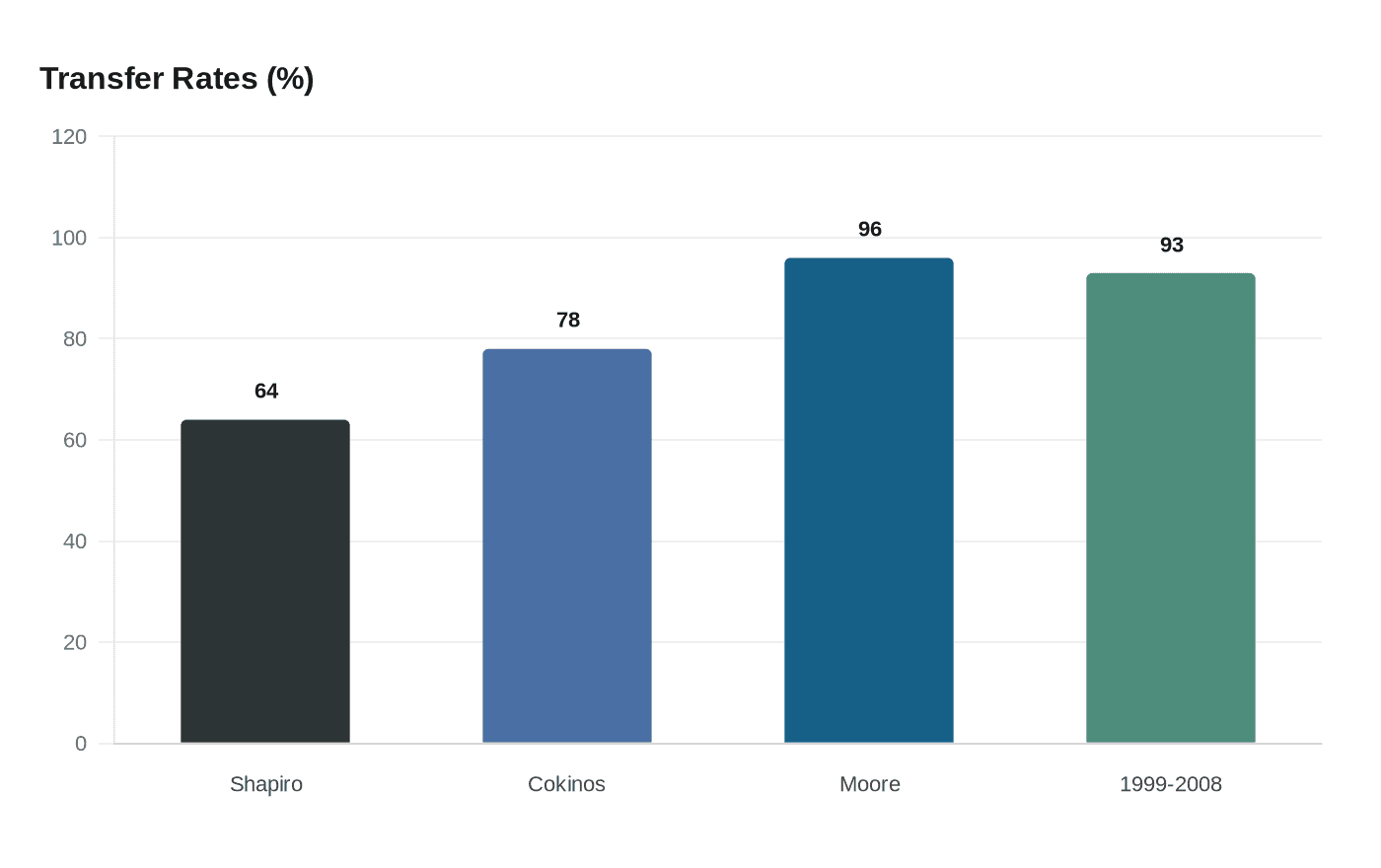
ABC13 data show three Harris County juvenile judges sent 64%, 78% and 96% of violent juvenile cases to adult court over a three-year period.

Data obtained by ABC13 from the Harris County Juvenile Probation Department and released through Yahoo show stark differences among the county’s three juvenile court judges in sending violent offenders to adult prison over a three-year period: Judge Leah Shapiro transferred 64% of violent cases, Judge Natalia Cokinos Oakes transferred 78%, and Judge Michelle Moore transferred 96%. The dataset covers violent cases including murder, robbery, and sexual assault.
The disparity matters in practice. KTRK Eyewitness News reported that District Judge Leah Shapiro of the 315th District Court released 19-year-old Edmound Guillory on probation after he had been sentenced to 17 years in the juvenile system for the 2022 fatal shooting of Anthony Merchant. The Harris County District Attorney’s Office asked the court to send Guillory to adult prison before he turned 19, the age when judges must decide whether to terminate a juvenile sentence, release on probation, or transfer to the adult system. Judge Shapiro instead ordered probation and an ankle monitor; court records show Guillory cut off the monitor in January and five months later was back behind bars accused of new violent crimes.
The legal framework and recent appellate rulings shape how judges document those decisions. The Texas District and County Attorneys Association notes that Harris County long used a boilerplate fill-in-the-blank certification order created by the district attorney’s office that recited §54.02. The Court of Criminal Appeals’ Moon opinion ended that practice, requiring judges to “show her work” and detail the reasons and evidence considered in waiving jurisdiction. The CCA warned appellate courts should not “rummage” through the record to find facts missing from a written transfer order. TDCAA officials say there have been about five Moon reversals in Harris County and those cases have been refiled in juvenile court.
Historical patterns underscore the county’s heavy use of certification. From 1999 through 2008 Harris County juvenile judges certified 745 youths and denied only 48 certifications, transferring more than 93% of those cases to adult court; in 2004 and 2005 judges denied no certifications. Texas Appleseed told reporters Harris County certified more juveniles from 2006 to 2008 than the next five largest Texas counties combined. Critics argue the certification process can be “nothing more than a rubber stamp” and object that appeals of certification are permitted only after the criminal trial concludes.
Practices inside jails also influence outcomes. Marrus told reporters that housing certified juveniles in county jail is often a matter of convenience: “It makes it easier on the jail staff to take them to court hearings, and when the teen turns 17, he is moved into a unit with older inmates, ‘so it’s easier for them to just keep the child there for the whole time,’” she said. Susan Card, spokeswoman for the Harris County Sheriff’s Office, said “when a juvenile is certified, that legally makes him an adult, and therefore he is placed in the county jail.” Retired juvenile court judge Mike Schneider summarized the variation this way: “differences between judges are not unusual.”
Legislative responses are already on the table. Representative Sylvester Turner of Houston has introduced a bill to require judges to specifically state the reasons for transferring a child to adult court and end form orders, and Senator Patrick Leahy has proposed a change to the Juvenile Justice and Delinquency Prevention Act that would require counties to detain certified children in juvenile facilities for federal funding unless a judge in writing finds they are a public safety risk.
With transfer rates ranging from 64% to 96% across three judges, Harris County’s choices about written findings, prosecutorial evidence and post-Moon practice will determine whether certification decisions are more consistent, more transparent, and more accountable.
Know something we missed? Have a correction or additional information?
Submit a Tip