Hassett downplays economic gloom as gas prices and inflation rise
Hassett said Americans should focus on real wages, even as gas hit $4.56 and consumer confidence sank to a four-year low.
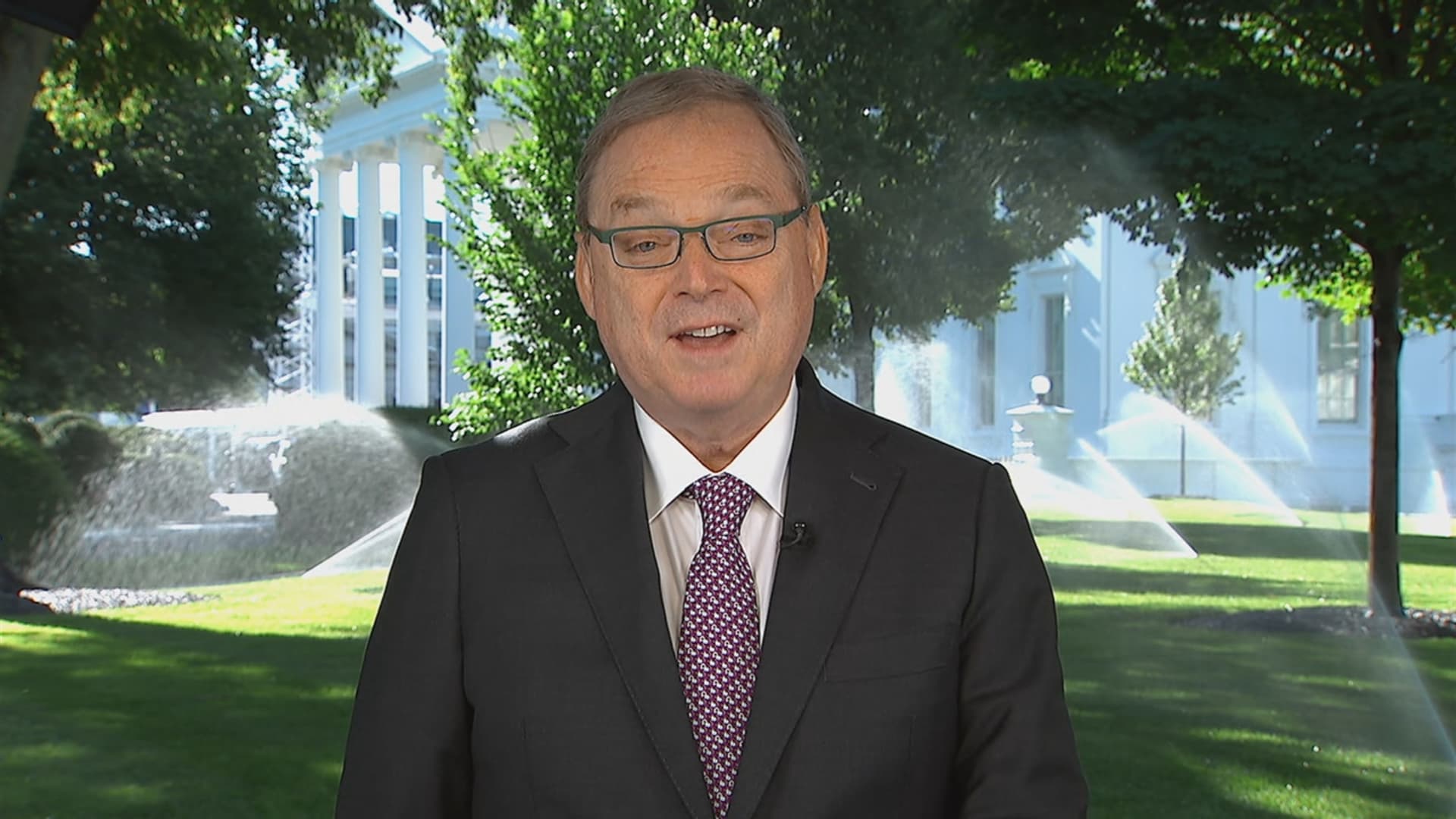
Kevin Hassett tried to steer attention away from a sour mood that has spread across U.S. households, arguing that Americans should look past the latest burst of gas and grocery pain and focus on their paychecks. Speaking Sunday on ABC News, the White House National Economic Council director said consumers should “smooth through the ups and downs” and “look at what’s happening to real wages,” even as the Iran war fed higher energy costs and inflation anxiety.
His case rested on the idea that the economy is stronger beneath the surface than public surveys suggest. Hassett said the media tends to emphasize the weakest parts of the economy and insisted that, “on balance, real incomes, real wages, are going up.” He added that more people were working and that stock market gains were flowing into wage and salary growth, arguing that Americans would ultimately judge the economy by what they see in their own wallets. He also acknowledged that high energy prices were creating a pinch, while saying he hoped they would ease soon.
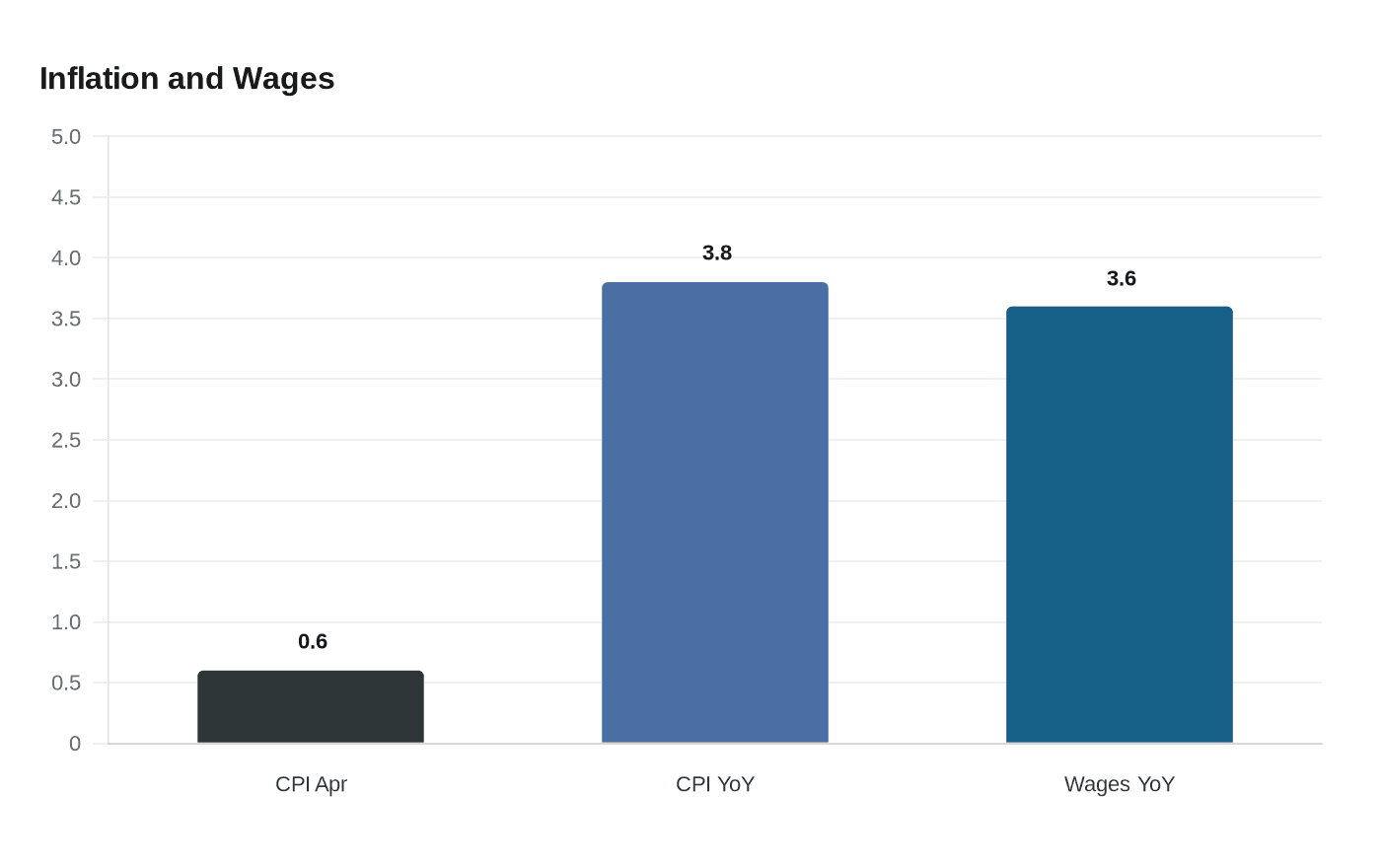
The numbers, however, pointed to a tougher immediate reality. The Bureau of Labor Statistics said the consumer price index rose 0.6% in April 2026 and was up 3.8% from a year earlier. Energy drove more than 40% of the monthly increase, and wages rose 3.6% over the year, leaving pay growth behind inflation. Ahead of Memorial Day weekend, AAA said the national average price of regular gasoline had climbed to $4.56 a gallon, the highest level in four years and $1.38 above a year earlier.
Public sentiment has weakened sharply. Gallup’s latest reading on U.S. economic confidence stood at -45, tied for the weakest since October 2022 and near a four-year low. Just 16% of Americans rated current economic conditions as excellent or good, while 76% said conditions were getting worse. The University of Michigan’s consumer sentiment index also fell to an all-time low in May 2026, underscoring how deeply inflation expectations and cost-of-living worries have taken hold.
The strain appears more than temporary. Goldman Sachs Research said disruptions to oil flows from the Middle East were feeding into consumers’ wallets and cut its forecast for 2026 discretionary cash inflow growth to 3.7% from 5.1%. It also said lower-income households are being hit hardest because they spend roughly four times as much on gasoline as a share of after-tax income as the top quintile. Data for Progress found many voters saying they were paying more for groceries, utilities, housing and gasoline, and some said they were cutting back on driving or travel, a sign that Hassett’s message is colliding with what many Americans already feel at the pump and in the checkout line.
This article was produced by Prism’s automated news system from verified source data, official records, and press releases, then run through automated quality and moderation checks before publishing. The system is built and supervised by the people who set the standards it runs under. Read our full AI policy.
Know something we missed? Have a correction or additional information?
Submit a Tip