Hatfield-McCoy ATV Trails Power McDowell County Tourism and Business
Hatfield-McCoy ATV trails bring nonresident riders and spending to Welch, War and Gary, supporting local lodging, restaurants and fuel sales.

The Hatfield-McCoy ATV trail systems are a steady economic engine for McDowell County, drawing out-of-area riders whose permit purchases and local spending sustain lodging, restaurants and fuel outlets across Welch, War and Gary. Nonresident permits account for a large share of trail sales, making the corridors that serve the Indian Ridge Trail and the Warrior Trail core pieces of the county’s tourism economy.
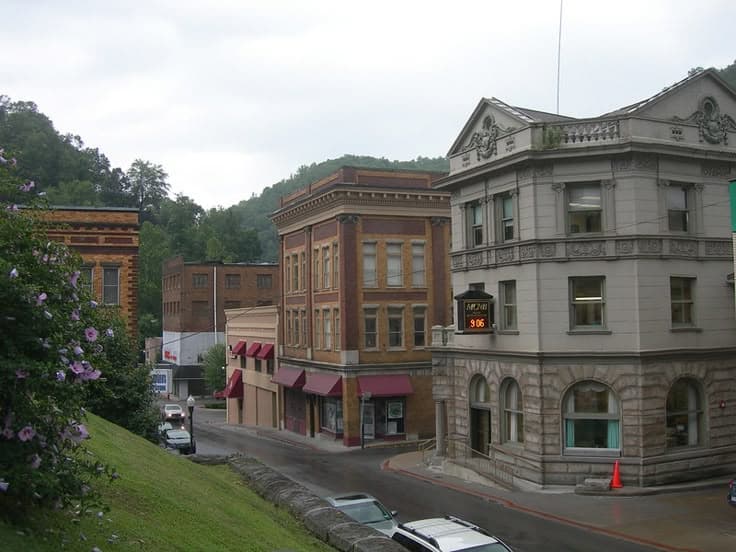
The Indian Ridge Trail, centered in the Ashland and Northfork area, and the Warrior Trail, with access near War through Welch and Gary, both host trailheads that sell permits and provide basic services. Those trailheads act as gateways: riders buy permits from the Hatfield-McCoy Trail Authority, refuel, grab food, and book rooms converted from older commercial buildings. Local entrepreneurs have repurposed downtown storefronts and vacant structures into cabins and B&B-style lodging to capture visitor nights that once passed through the county.
The networks extend beyond county lines, connecting with the Pocahontas Trail and the Pinnacle Creek Trail, which broadens the catchment area and lengthens potential stays. That regional connectivity increases the share of nonresident traffic and raises the economic stakes for local businesses and planners who want to retain more of each visitor dollar.
For residents and prospective visitors, practical steps matter: purchase trail permits via the Hatfield-McCoy Trail Authority before riding, bring appropriate ATV safety gear, check lodging availability in Welch, War and Gary, and plan for variable weather and rural road conditions that can affect travel times and services. Trailheads provide basic amenities but limited services; many riders depend on local businesses for meals, repairs and overnight stays.

From a market perspective, the trail economy creates predictable seasonal demand for food, fuel and lodging and offers opportunities to expand revenue through added services. Local capture of visitor spending can rise with investments in visitor amenities such as family-friendly recreation, more dining options, clearer wayfinding and additional trailhead facilities. Those investments could lengthen stays and increase per-visitor spending, strengthening multiplier effects in a county with few alternative large-scale employers.
For county planners and business owners, the policy implication is straightforward: targeted investments in amenities and signage, coordinated with the Hatfield-McCoy Trail Authority and regional partners, are likely to yield higher local retention of tourism dollars. As the trail systems and regional connections continue to attract nonresident riders, McDowell’s push to convert vacant buildings and improve services will determine whether the county keeps more of the economic horsepower that rolls through on four wheels.
Know something we missed? Have a correction or additional information?
Submit a Tip