Hawaiʻi bills propose mandatory sterilization, import limits and spay-neuter fund
State and county proposals would require sterilization of incoming pets, create a spay-and-neuter fund and ban feeding on county land, affecting caretakers, breeders and native wildlife.
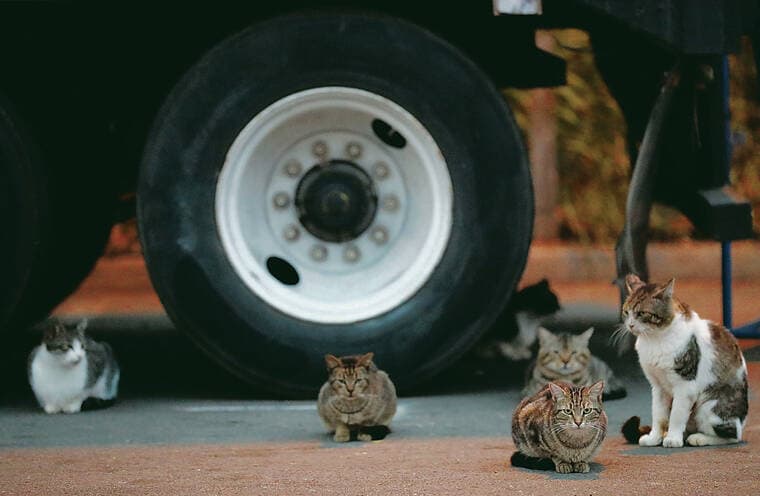
State and county officials in Hawaiʻi are advancing a suite of measures aimed at reducing free-roaming cat populations, with direct consequences for caretakers, breeders and the islands’ fragile ecosystems. Lawmakers have introduced a statewide spay-and-neuter fund and debated sterilization requirements for animals entering Hawaiʻi, while Hawaiʻi County approved a local ban on feeding feral and stray animals on county-managed property.
House Bill 1736 would establish a statewide spay-and-neuter special fund intended to reduce pet overpopulation. The Animal Legal Defense Fund told lawmakers there are “hundreds of thousands of feral cats across the islands, with 300,000 on Oʻahu alone,” testimony that supporters cite to justify new funding and programs. A separate Senate bill would require cats and dogs brought into Hawaiʻi to be sterilized; a similar House measure was shelved after testimony from breeder and sporting groups.
Opposition to sterilization and import restrictions has come from the Cat Fanciers of Hawaii, Pacific Pet Alliance and the American Kennel Club, which argued the House proposal “unfairly targets responsible breeders as well as those who travel to competitions, and that it does not meaningfully resolve pet overpopulation problems.”
At the county level, the Hawaiʻi County Council passed Bill 51 and assigned it Ordinance No. 25-63, which will prohibit feeding feral and stray animals such as cats, pigs, goats and chickens on all county-owned or managed properties, including parks, beaches and facilities. The ordinance is scheduled to take effect Jan. 1, 2026, but must be signed by Mayor Kimo Alameda before becoming law.
The council initially added a certified-caretaker program as a concession to opponents, but removed that provision following legal concerns that it could violate state or federal law. The Hawaiian Humane Society supported credentialed caretakers and trap-neuter-return-manage efforts in written testimony, saying, “Government support of TNRM harnesses the compassion of dedicated volunteers who are willing to spend their own time and resources to address a problem they did not create because they care about Free‑Roaming cats.” During debate, Kanealiʻi-Kleinfelder defended the county action: “What we have in front of us gives allowances for the future, provides a steady reality of ‘this is not OK’ going forward, protects species … and sets us in the right direction without being intentionally cruel. And that is, to me, the basics of this bill in its form right now in front of us,”
Conservation advocates and some testifiers framed the measures around threats to native wildlife and cultural values, with one testifier calling feeding on county lands “irreversible harm to our manu (birds).” Conservation groups point to cats as predators of imperiled bird species and to toxoplasmosis as a contributing factor in nēnē declines and risks to other wildlife and people.
The debate has been heated: hundreds of opposing testimonies described the county bill as a “starvation bill” and inhumane, and a Facebook petition urged, “Please sign this petition to stop Bill 51 from passing. It will prevent anyone from feeding cats on county land. There are better ways to reduce” public impacts.
For Big Island residents, the county ordinance would change what is allowed on parks, beaches and other public spaces beginning in 2026 if Mayor Alameda signs the measure. State action on HB 1736 and the Senate sterilization bill remains pending; more detailed bill text and implementation rules will determine exemptions, enforcement and how volunteers and caretakers are incorporated into any statewide effort.
Sources:
Know something we missed? Have a correction or additional information?
Submit a Tip