Hawaiʻi Magazine Lists 10 Must-Do Kauaʻi Experiences for 2026
Hawaiʻi Magazine published a 10-item Kauaʻi bucket list for 2026 highlighting hikes, snorkel spots, food stops and tours; residents should weigh visitor impacts and support local businesses.
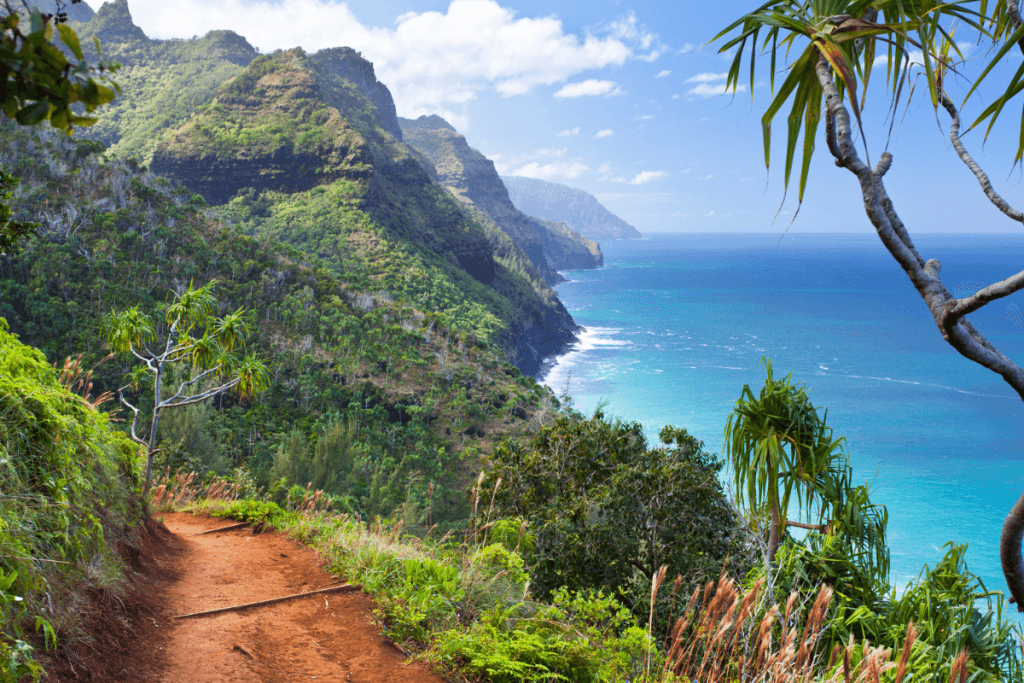
Hawaiʻi Magazine produced a feature that frames a 2026 Kauaʻi bucket list through a personal lens: "After every trip to the Garden Isle, I return home with a list of more things I want to do on my next visit. Here are 10 items on my Kauaʻi bucket list for 2026." The piece underscores why locals and visitors alike are drawn to Kauaʻi after the island was voted the "Best Island" in the magazine's 2025 Readers' Choice Awards.
Top items on the list include core outdoor draws that shape visitor flow and pressure on island resources. Item one urges readers to "Trek the Kalalau Trail," noting "There are only three ways to see the fabled Nāpali Coast: fly there on a helicopter tour, book a boat tour or head out on foot on the Kalalau Trail." The trail starts at Hāʻena State Park and "weaves across 11 miles of rugged terrain, past a jaw-dropping waterfall, and ends at Kalalau Beach. Hikers often camp for a night or two, and backpack the same way they came in." That scale of backcountry use has implications for trail maintenance, search and rescue capacity, and equitable access for residents who rely on limited park infrastructure.
Snorkel culture appears as item two with Mākua, sometimes called Tunnels, listed as a top snorkel spot on Kauaʻi. Aquatic recreation drives demand for lifeguard coverage, reef stewardship and visitor education to prevent reef damage and injuries, particularly when average visitor stays hover around eight days - a Hawaii Tourism Authority figure cited in planning advice that recommends spending at least a week to balance relaxation and exploration.
The list also spotlights small businesses and legacy institutions. Item five celebrates Tip Top Motel, Café & Bakery, which "turns 110 years old in November 2026," and notes that "the restaurant is known for its oxtail soup, in which pieces of oxtail and glass noodles swim in a hearty bath of beef stock." Item six points readers to Kauaʻi Bakery in Līhuʻe for malasadas described as "perfectly fried pastries that are light, fluffy and dusted in sugar." These businesses represent cultural continuity and local jobs, yet they can be strained by peaks in visitor demand.
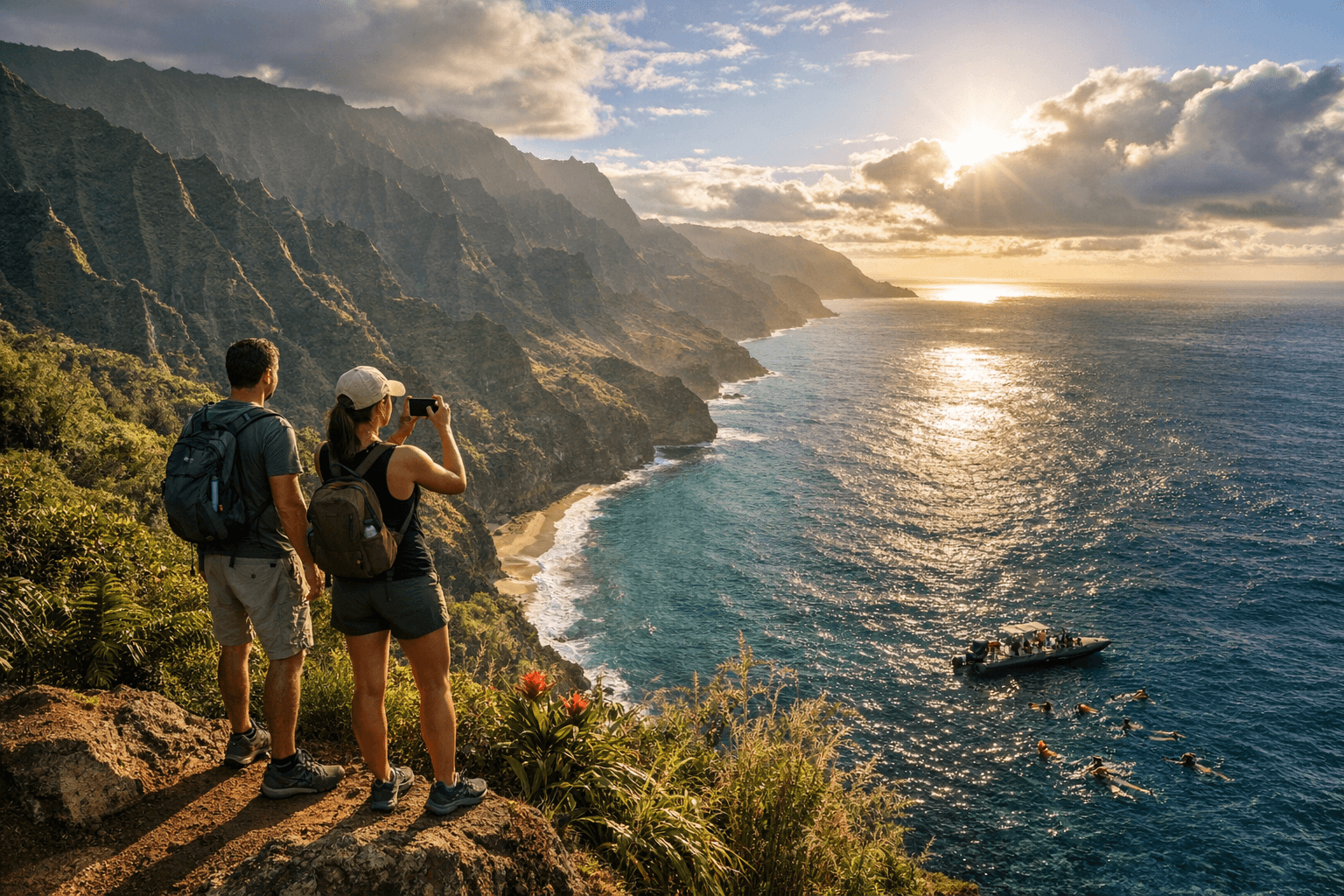
Adventure tourism offerings round out the list. Ziplining near Koloa on an eight-track course is promoted with the copy "What could be better than a bird’s eye view of Kauai’s native forest? Soar on Kauai’s longest ziplines" and the description "Hang on to the handlebars, cruise hands-free, or even upside down, over lush forests and the Waita Reservoir." For marine viewing, a sunset dinner cruise boards at Port Allen Marina where "you’ll toast the light show in the sky with champagne and appetizers as you sail past the jagged green cliffs plunging into the sea. Keep a look out for spinner dolphins."
Conservation and access specifics appear for Kilauea Lighthouse on Kilauea Point, described as located inside a wildlife refuge that "works closely with the U.S. Fish and Wildlife Service to support Kauai’s wildlife." Visitors are reminded "If you’re a bird watcher, bring your bincoluars and head to the Kilauea Lighthouse on Kilauea Point on the North Shore" and that "Today, you can admire the historic lighthouse as you search the horizon and the coastline for red-footed boobys, brown boobys, white-tailed tropicbirds, and so many other native birds." Advance reservation is required with a small fee for anyone over age 16, and annual U.S. national park passes are honored; the lighthouse itself dates to 1912 and the station went dark after Pearl Harbor in 1941 until the end of World War II.
For Kauaʻi County readers this roundup is more than a checklist. The items point to where visitor traffic concentrates, which neighborhoods host tourism infrastructure, and which local businesses carry island traditions. Plan trips with an eye to stretch stays into the eight-day range the island typically sees, confirm reservations and permit requirements before heading to sensitive sites like Kalalau Trail and Kilauea Point, and consider patronizing long-standing local eateries such as Tip Top and Kauaʻi Bakery to keep dollars circulating in island communities. As visitation choices shape public safety, housing and conservation priorities, policy decisions about permitting, parking and support for small businesses will determine whether the Garden Isle stays wild and welcoming for residents and visitors alike.
Sources:
Know something we missed? Have a correction or additional information?
Submit a Tip
-1.webp&w=1920&q=75)