Hawaiʻi traffic deaths hit 18-year high; Big Island bucks trend
Statewide traffic fatalities rose to their highest total since 2007, driven by pedestrian and motorcycle spikes on Oʻahu; Hawaiʻi County deaths fell from 16 to 9, easing local concern.
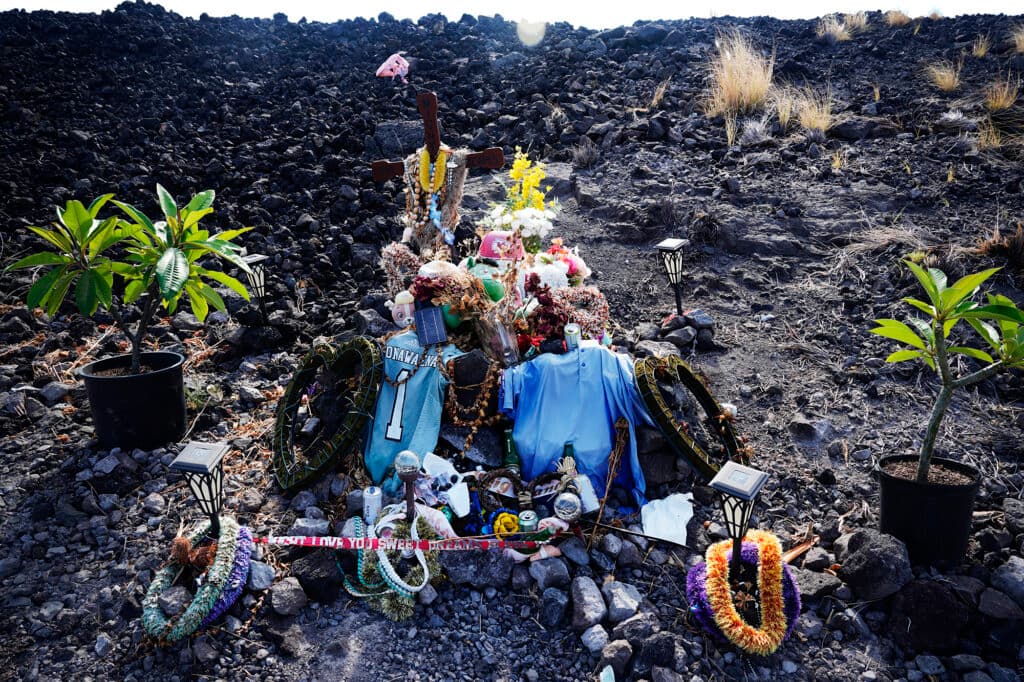
Hawaiʻi recorded a sharp rise in traffic fatalities in 2025, reaching the highest annual total since 2007, driven largely by increases in pedestrian and motorcycle deaths on Oʻahu. The statewide reversal comes even as the national trend continued to move downward, raising alarm among state safety officials and prompting plans for stepped-up enforcement.
The state Department of Transportation data show that while most islands experienced shifts in year-to-year totals, Oʻahu registered the largest increase and accounted for much of the statewide surge. By contrast, Hawaiʻi County (Big Island) reported a decline in motor vehicle fatalities, falling from 16 deaths in 2024 to 9 in 2025. That drop stands out against the statewide pattern and offers a relative improvement for local road safety metrics.
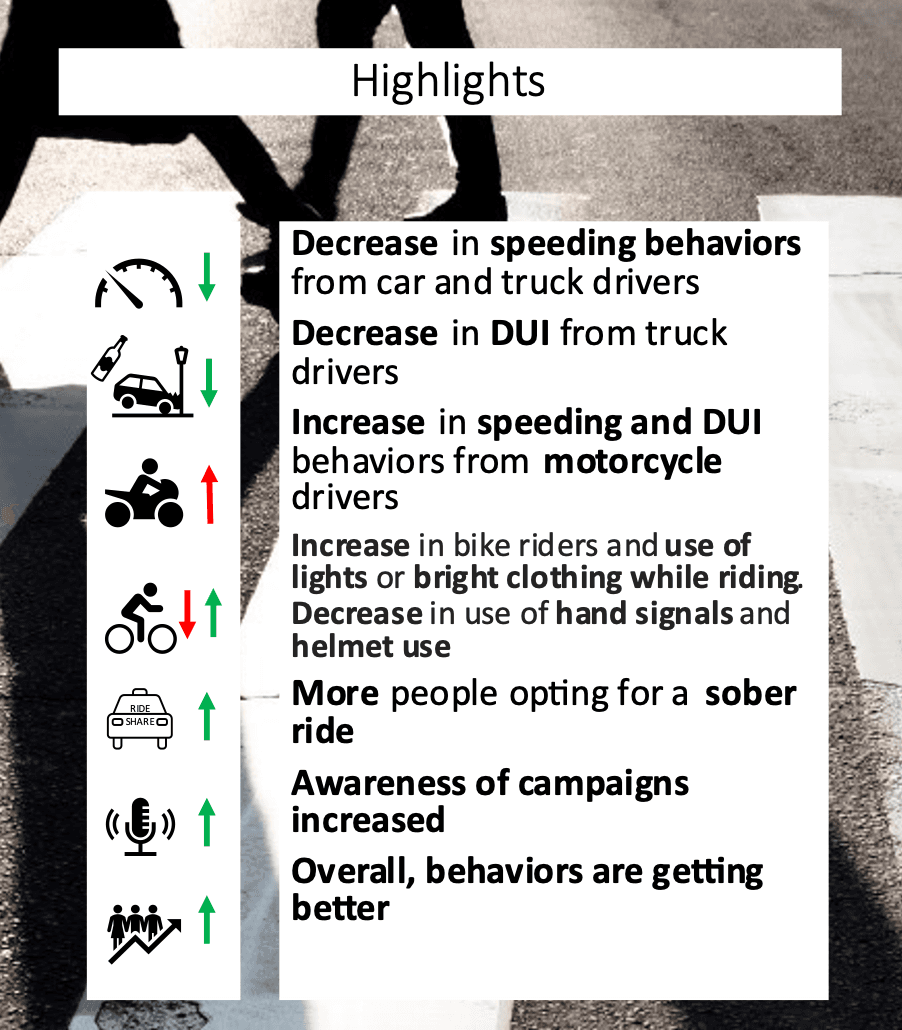
Officials point to risky driving behaviors as primary contributors to the uptick statewide, citing speeding, distracted driving and impaired driving as recurring factors in crash investigations. Analysts and safety planners are using vehicle miles traveled (VMT) measures and statewide behavior surveys to help explain the trends. VMT provides a measure of exposure on the roads, while behavior surveys track self-reported patterns such as frequency of speeding or phone use while driving; together those data help distinguish whether higher totals reflect more travel, riskier behavior, or both.
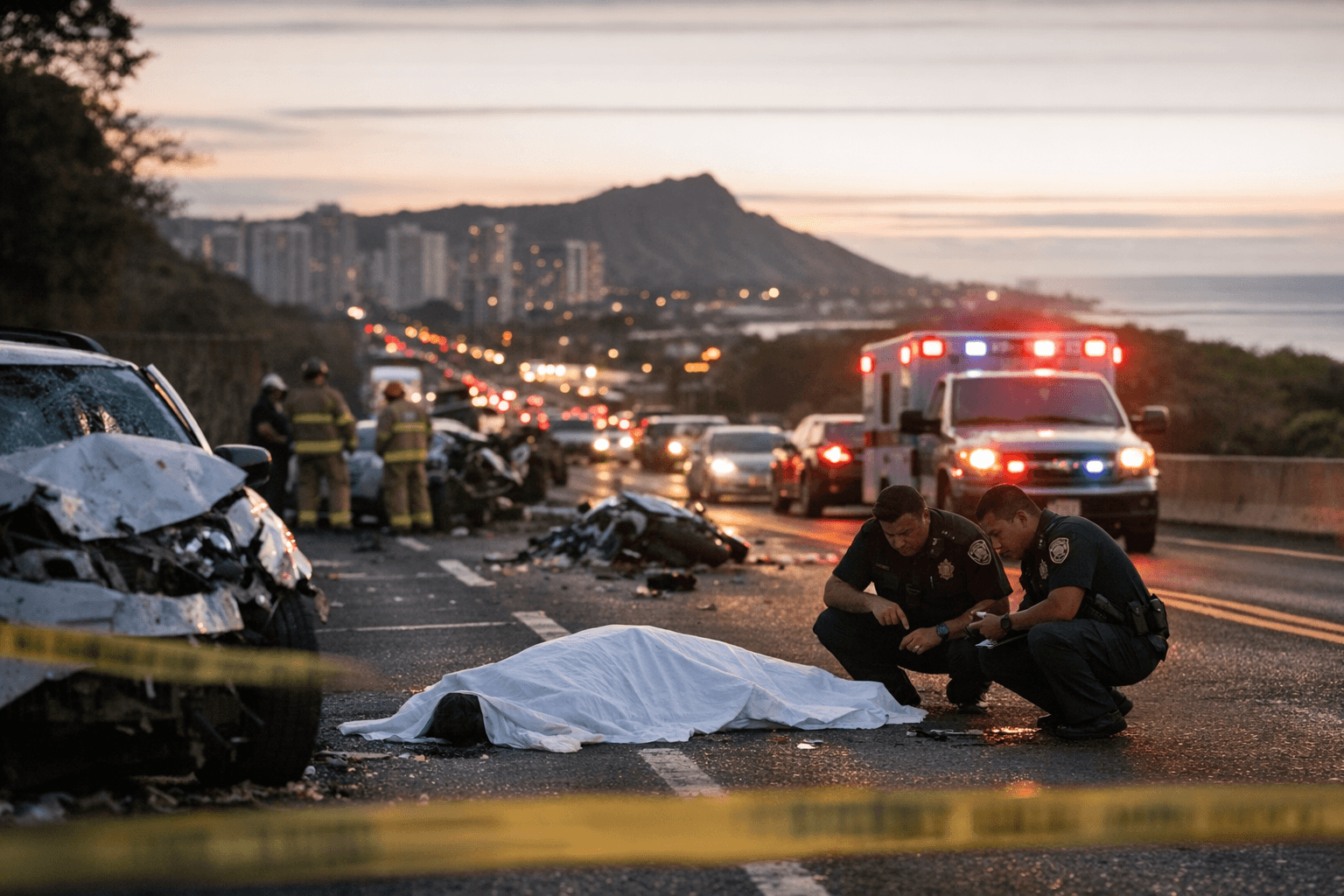
The pattern of rising pedestrian and motorcycle fatalities on Oʻahu underscores different risk environments across the islands. Urban corridors with heavier foot traffic and dense motorbike use face different challenges than the rural and two-lane highways common on the Big Island. The county-level figures show that localized road characteristics, traffic enforcement emphasis and travel patterns all play a role in year-to-year variation.
State safety officials have outlined stepped-up enforcement responses for 2026, including expanded patrols and targeted campaigns aimed at curbing the specific behaviors tied to the increase. Those responses are intended to work alongside engineering and education efforts that address dangerous intersections, lighting and public awareness.
For residents of Hawaiʻi County, the decline from 16 to 9 fatalities means fewer families directly affected by fatal crashes, but local officials and community groups are likely to view the statewide spike as a reminder not to be complacent. Continued attention to seatbelt use, sober driving, reducing distracted driving and safely sharing the road with pedestrians and motorcyclists remains essential.
What comes next will depend on whether enforcement, education and infrastructure changes can arrest the statewide rise while maintaining the downward trend on the Big Island. Officials will continue to monitor VMT and behavior-survey trends this year to guide where resources and interventions are targeted.
Sources:
Know something we missed? Have a correction or additional information?
Submit a Tip