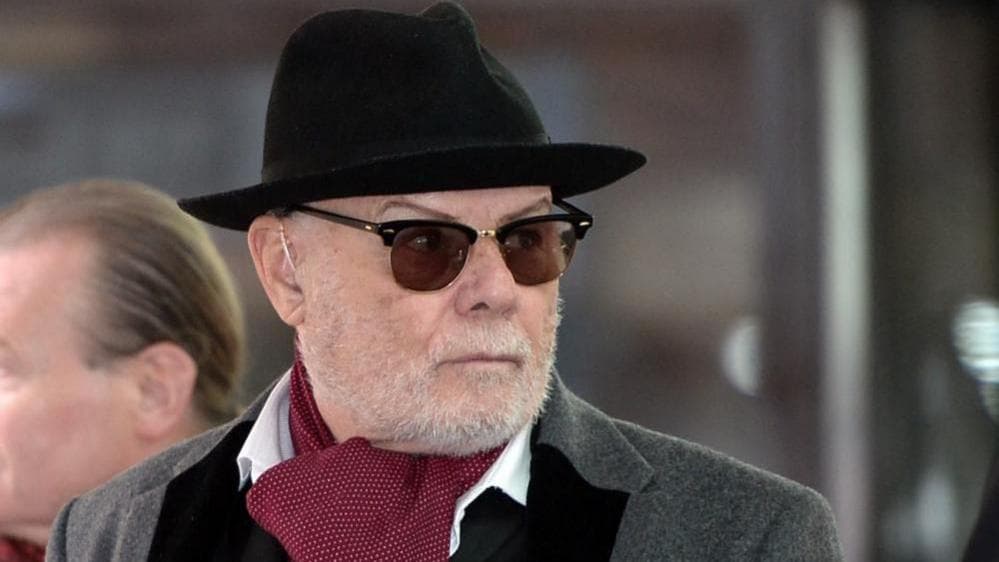
HBO's Task centers on faith, grief and Mark Ruffalo's redemption
HBO's Task turns a crime thriller into a study of faith, grief and redemption, with Mark Ruffalo's courtroom scene anchoring the drama.

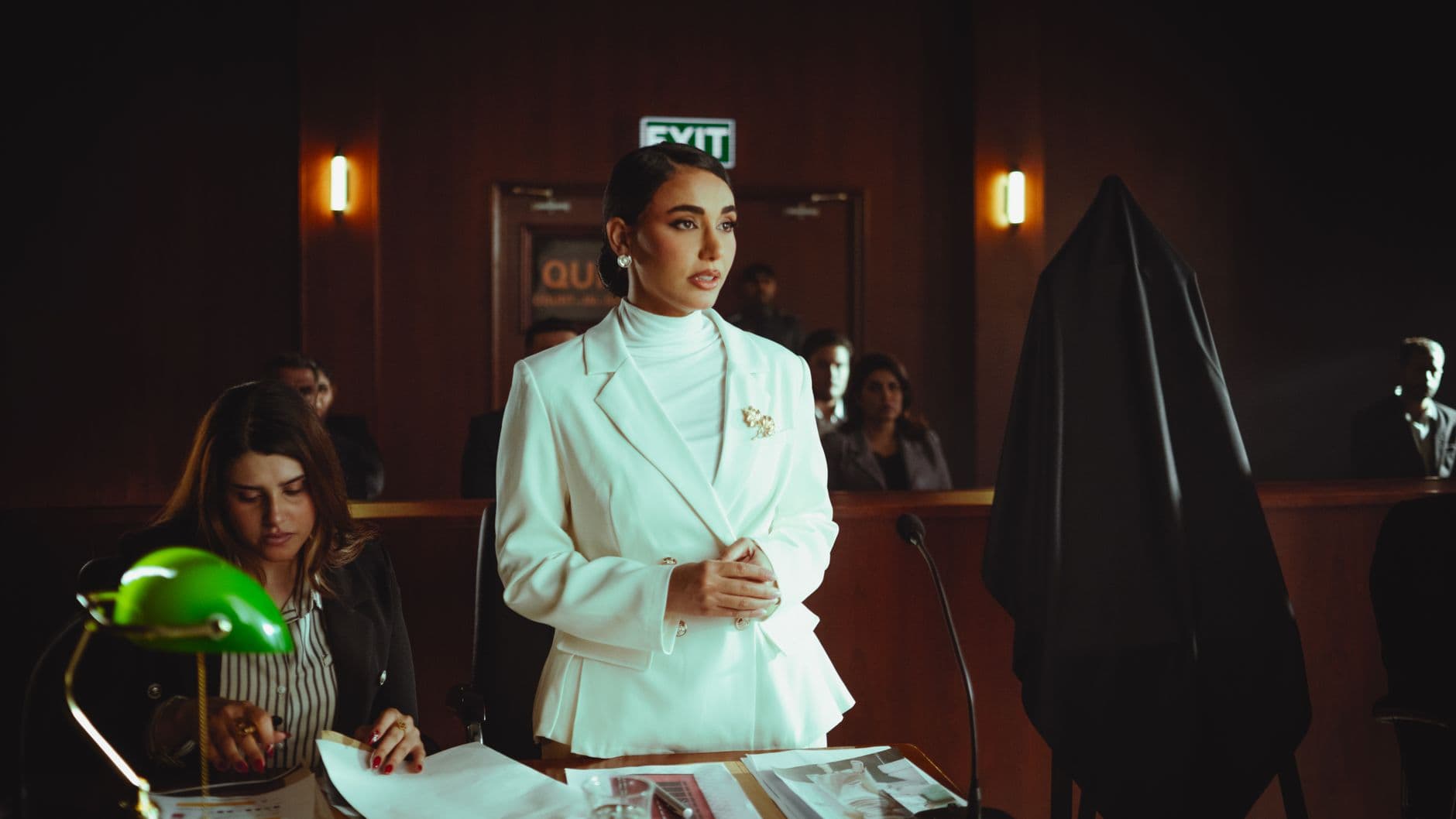
Mark Ruffalo’s most important scene in HBO’s Task is not a firefight, a heist or a kidnapping. It is a courtroom moment, where grief and belief matter more than momentum, and that choice tells you almost everything about how Brad Inglesby built the series.
Inglesby says the emotional core came first, long before the plot was fully locked in. That approach gives Task the feel of prestige television in its purest form: a crime story designed around intimacy, not just mechanics, and a character study that uses suspense to reach something more vulnerable.
Emotional architecture before plot
Task is a seven-episode HBO Original drama set in the working-class suburbs of Philadelphia, and its premise looks familiar on paper. Ruffalo plays Tom Brandis, an FBI agent and former priest who leads a task force investigating a string of violent robberies, and the series premiered Sunday, September 7, 2025, at 9 p.m. ET/PT on HBO and HBO Max.
What sets the show apart is the order in which its pieces were built. Inglesby said the courtroom and victim-impact-statement material was among the earliest writing for the series, because he wanted the story to revolve around a man of faith who has lost his faith and has to find his way back after family tragedy. That decision turns Task into something more durable than a standard procedural: every chase and confrontation is shaped by the question of whether Tom can reclaim a moral center at all.
In a crowded streaming era, that kind of emotional architecture is often what separates a show that simply delivers plot from one that lingers. Task is built to make viewers invest in the wound underneath the case, not just the case itself.
A courtroom scene that defines the series
The sequence Inglesby keeps returning to is the one that gives the drama its deepest pulse: Ruffalo reading a victim impact statement in court. Associated Press described it as the show’s most powerful scene, even more memorable than its tense standoffs and action beats, because it concentrates the grief of the series into a single, devastating moment.
That material was not invented as ornament. Inglesby said he was inspired by real-life parents of children with mental disabilities, and by the strain created by the weekly logistics and pressure of caregiving. That gives the courtroom scene a social dimension that reaches beyond one family’s tragedy and into the burdens carried by families that often go unseen.
The result is a crime drama that keeps widening its lens. On one level, the series follows an FBI task force trying to stop violent robberies. On another, it is asking what happens when trauma, duty and compassion collide in public, under oath, where the language of justice never fully captures the cost of loss.
Tom Brandis and the burden of belief
Ruffalo’s Tom Brandis is not written as a hardened action hero. He is a former priest now working as an FBI agent, which makes his crisis unusually layered: he is chasing criminals while also wrestling with the residue of a religious life he can no longer inhabit cleanly. Inglesby has described the story as one about “a man of faith” trying to rediscover belief after trauma, and that central idea explains why the show’s emotional stakes feel so personal.
The title Task works on both levels. It refers to the police task force Tom leads, but it also speaks to the religious burden that still hangs over him. That dual meaning gives the series a quiet conceptual discipline: the same man is carrying an institutional mission and a spiritual obligation, and the show uses both to measure how much he can endure.
This is also where Ruffalo’s casting matters. AP suggested that the mix of action, grief, justice and redemption could position him for an Emmy nomination, and the role certainly gives him the kind of material awards voters tend to notice: restraint, sorrow, moral ambiguity and the chance to play pain without reducing it to speechifying.
Why Pennsylvania is not just a backdrop
Task is rooted in Pennsylvania in the same broad region where Inglesby made Mare of Easttown, and that continuity matters to the storytelling. Inglesby has said living and writing there gives him a sense of burden and responsibility, and he has also returned to his home state for filming rather than moving production elsewhere.
The geography is not decorative. The working-class suburbs of Philadelphia shape the tone of the series, giving it a lived-in specificity that keeps the story from floating away into generic prestige-TV gloom. Inglesby is from Berwyn in Chester County, and that local grounding helps explain why the region feels central rather than incidental.
Philadelphia and its surrounding counties also matter behind the scenes. A Pennsylvania tax-credit report said the second season of Task could receive a $49.8 million tax credit, described there as the largest ever awarded to a single show by the Pennsylvania Film Office. That figure applies to Season 2 rather than the already aired first season, but it underscores how closely the production is tied to Southeastern Pennsylvania.
HBO’s bet on an intimate crime drama
HBO moved quickly to signal confidence in the series. During a press presentation in New York City, Casey Bloys announced that Task had already been renewed for a second season on November 20, 2025. That kind of early renewal says as much about the network’s faith in Inglesby’s storytelling as it does about the show’s numbers or performance.
For HBO, Task fits a familiar but still valuable pattern: a prestige drama with a crime framework, a strong regional identity and a central performance built on emotional complexity. The robberies and task-force operations give the series propulsion, but the reason it stands out is that Inglesby treats character intimacy as the true engine.
That is why the courtroom scene matters so much. It clarifies that Task is not simply trying to solve a crime. It is trying to understand how grief reshapes identity, how faith survives fracture, and how redemption can still feel possible when the plot has already pushed a character to the edge.
This article was produced by Prism’s automated news system from verified source data, official records, and press releases, then run through automated quality and moderation checks before publishing. The system is built and supervised by the people who set the standards it runs under. Read our full AI policy.
Did this article answer your question?