Healey resignation exposes Starmer's defence spending crisis
Healey quit after a clash over defence cash, leaving Starmer with a second ministerial exit and fresh doubts over his 3% spending pledge.
John Healey’s resignation turned a dispute over military funding into a direct stress test of Keir Starmer’s authority. Healey quit as defence secretary on 11 June 2026 after months of friction with Downing Street and the Treasury over how to pay for Britain’s long-delayed Defence Investment Plan, saying Starmer had been “unable” and the Treasury “unwilling” to commit the resources needed to defend the country.
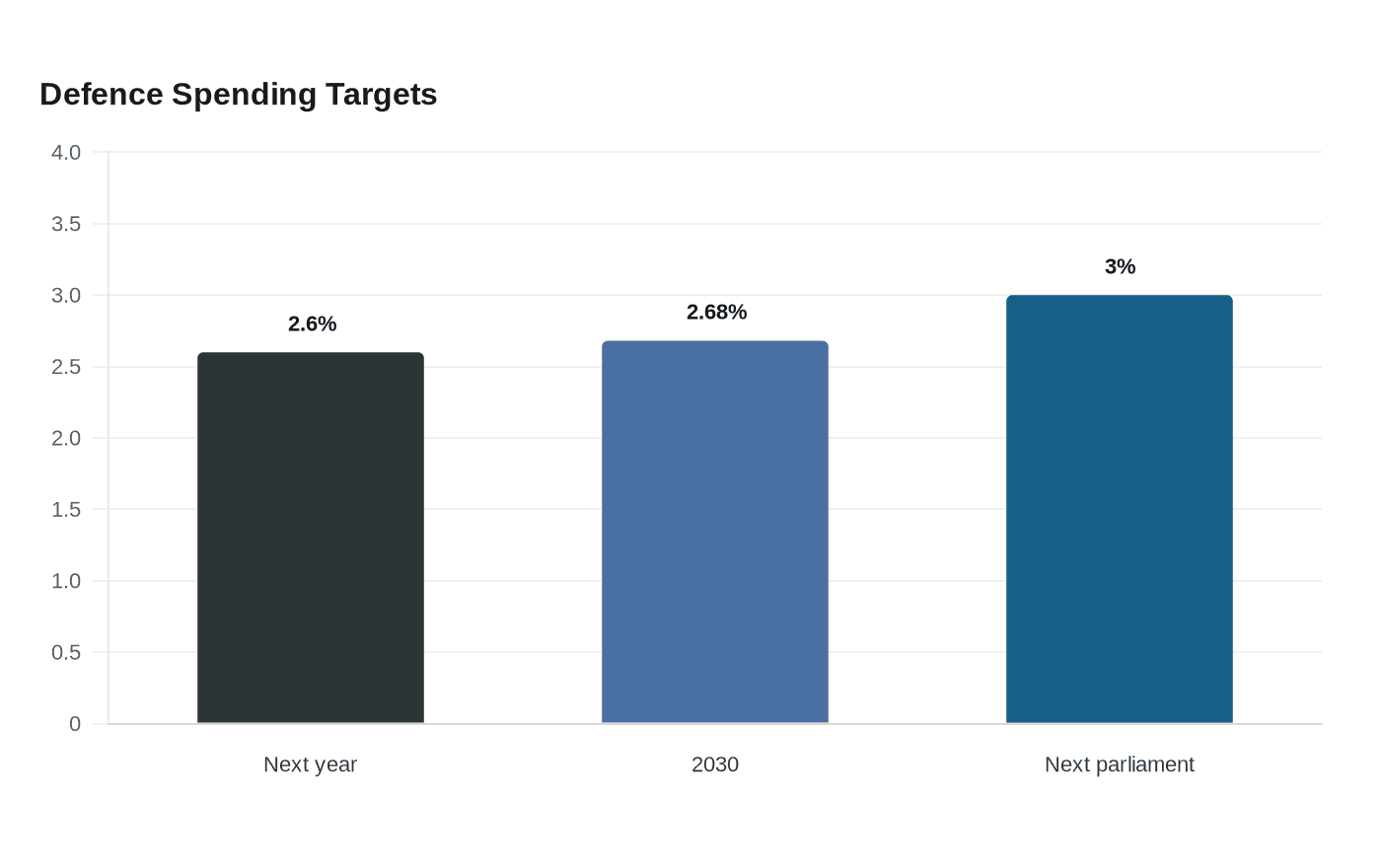
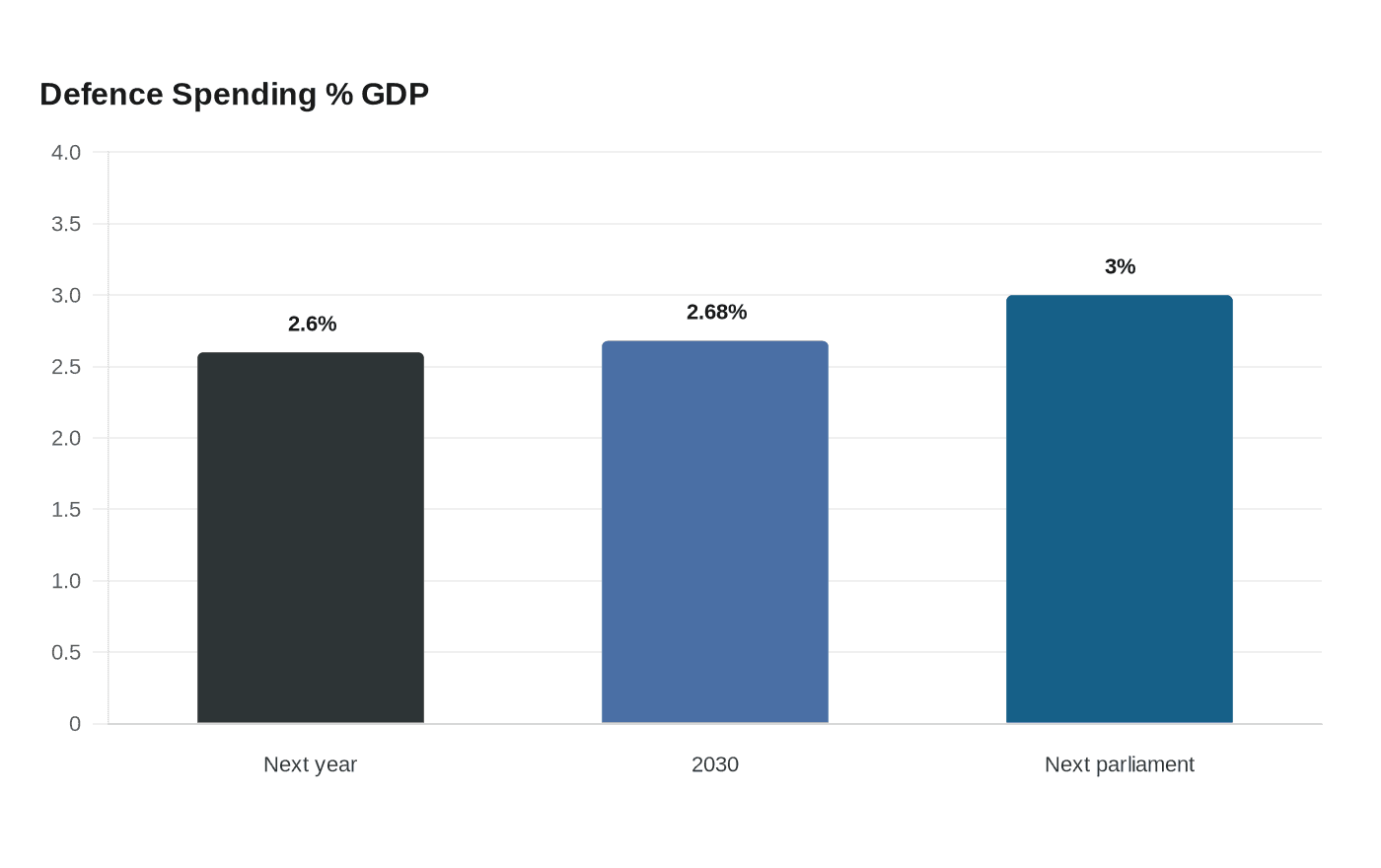
The numbers explain why the row became explosive. Defence chiefs had asked for at least £18bn, but the government could only find £13.5bn. The settlement was also backloaded, leaving the sharpest readiness pressures in the first two years while the headline uplift did not reach 2.68% of GDP until 2030. Britain is expected to reach 2.6% next year, still well short of Starmer’s pledge to lift defence spending to 3% of national output in the next parliament.
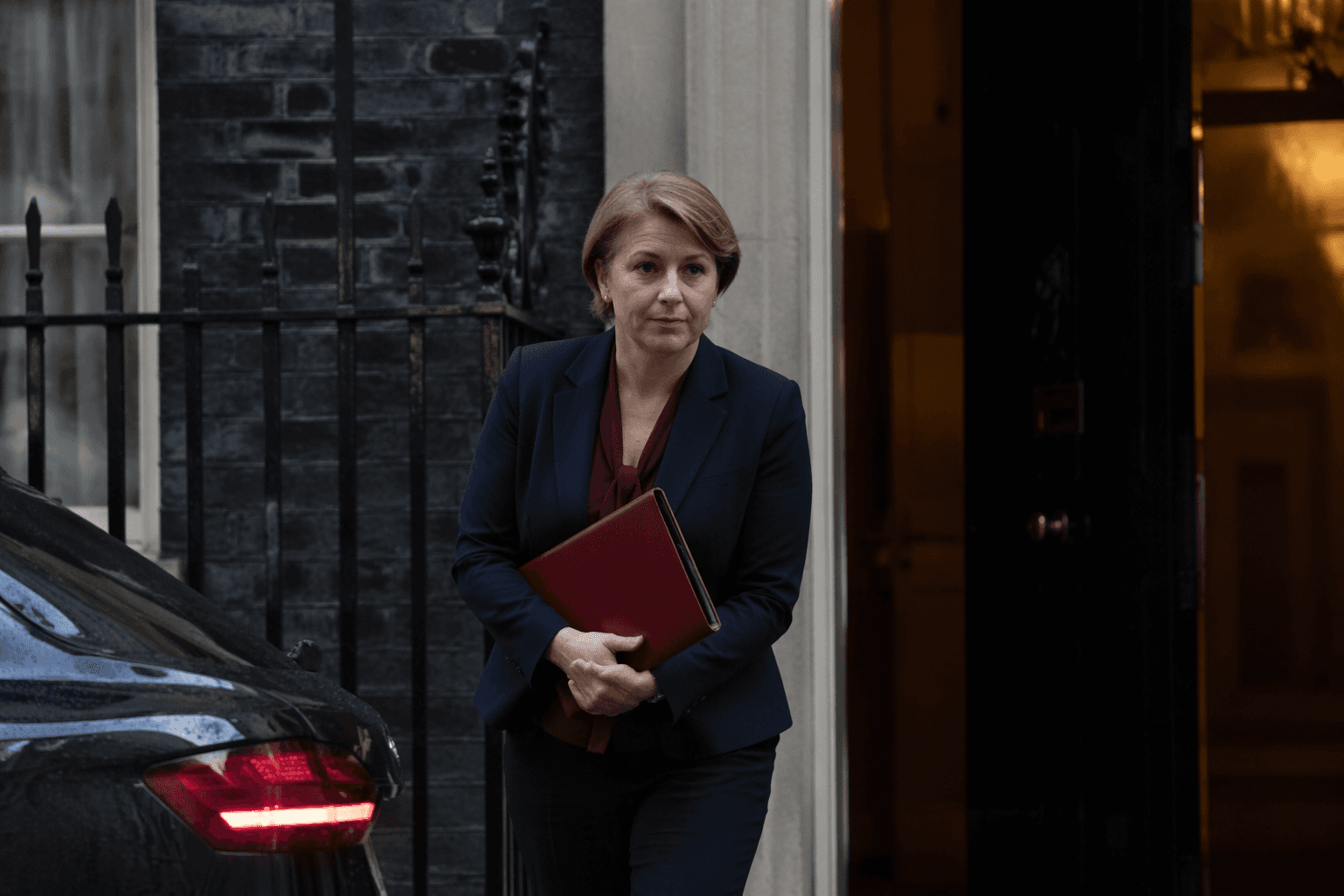
Healey’s departure was immediately followed by another blow when Armed Forces minister Al Carns resigned, saying the funding plans were “not built for the threat we face.” Dan Jarvis, previously security minister, was installed as defence secretary, but the switch did little to hide the central problem: Starmer had promised the largest sustained increase in defence spending since the Cold War while trying to hold the line on spending elsewhere, including welfare.
That tension has become sharper as Britain faces a more dangerous security environment. The Defence Investment Plan was due last year but was delayed by spending talks, while the war in Ukraine and the wider threat from Russia have pushed ministers to show they can translate rhetoric into capability. Britain was also left exposed in March when it could not immediately deploy an advanced warship to Cyprus after an Iranian-made drone hit its air base there.
The political damage reaches beyond one resignation. General Sir Richard Barrons, a co-author of the 2025 Strategic Defence Review, has argued that failing to fully fund the government’s own review makes the UK less safe and weakens credibility with allies. Britain has now slipped to the third-biggest defence spender in NATO after Germany overtook it in 2024, a reminder that ranking alone will not reassure partners if the funding is delayed or diluted.
For Starmer, the loss of Healey is especially serious because he was seen as a loyal minister. The resignation has emboldened scrutiny from Labour MPs, with health secretary Wes Streeting having resigned last month and Greater Manchester mayor Andy Burnham linked to a possible leadership bid. Tan Dhesi, who chairs the Defence Select Committee, called the resignation a grave moment, while many in the defence sector, the Conservatives and Reform UK treated Healey’s stand as principled. The question now is whether Starmer can keep control of the Treasury, hold the defence promise together, and prevent this row from spreading into a wider test of his leadership.
This article was produced by Prism’s automated news system from verified source data, official records, and press releases, then run through automated quality and moderation checks before publishing. The system is built and supervised by the people who set the standards it runs under. Read our full AI policy.
Did this article answer your question?

