Healey resigns over UK defence spending row, major blow to government
Healey quit after rejecting a military budget plan that would have lifted defence spending to 2.68% of output in 2030. Al Carns resigned too as the row spread through government.

John Healey resigned as defence secretary after a battle inside government over a long-delayed military spending plan that he said “falls well short” of what Britain needs. Healey said he had been given full sight of the defence investment plan only on Monday, and one version of the proposal would have taken defence spending to just 2.68% of output in 2030.
Armed Forces Minister Al Carns also quit over the same funding row, turning the dispute into a wider test of authority inside Keir Starmer’s government. Healey later told MPs that the government’s current plans to fund the military in the coming years fall “well short” of what is required, adding that readying Britain for an uncertain world is the “duty of our political generation.”
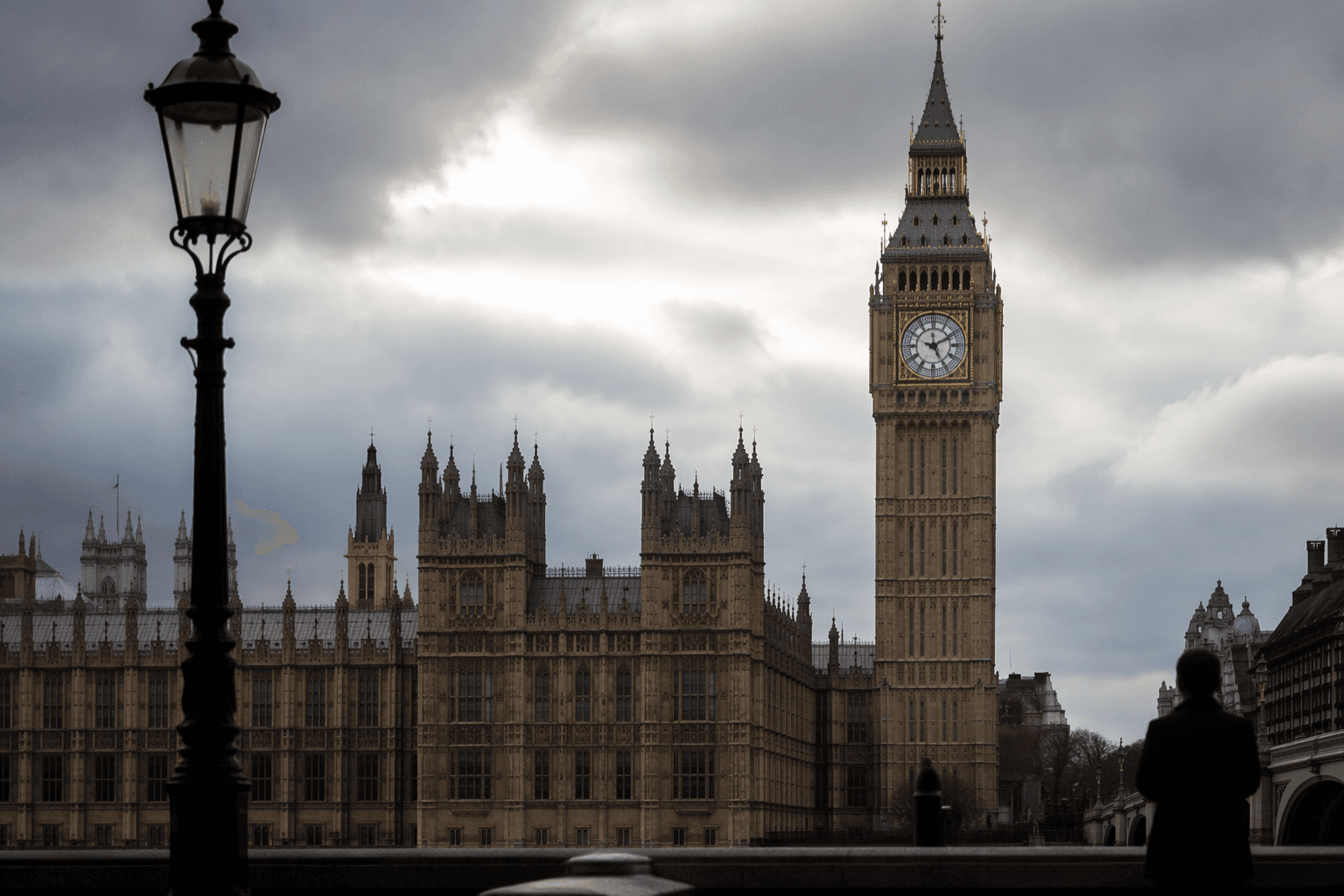
The row landed against the backdrop of the UK’s existing pledge to raise defence spending to 2.5% of GDP by 2030. Healey and other critics argued that commitment was still not enough given Russia’s war in Ukraine and broader security pressures across Europe. The argument was not over whether defence spending should rise, but over how far and how fast the Treasury and Downing Street were prepared to go.
Healey’s departure was seen as a major blow because he had been regarded as a loyal minister and one of Labour’s most trusted figures. It also sharpened questions in Westminster about the balance of power between the Treasury and Downing Street, with analysts saying the dispute exposed a deeper strain over who controls spending priorities when defence and fiscal restraint collide.
Chatham House said the resignation highlighted a profound strategic failure in the government’s approach to defence. General Sir Richard Barrons said a lack of competence was making the UK less safe and undermining its reputation with allies.
The immediate benchmark for Healey’s return to the centre of government is whether ministers can produce a settlement that goes beyond the 2.5% GDP promise and avoids the 2.68% ceiling attached to the rejected plan. If the next spending round merely rebadges the same constraints, the political pressure will move, but the funding gap at the heart of the row will remain.
This article was produced by Prism’s automated news system from verified source data, official records, and press releases, then run through automated quality and moderation checks before publishing. The system is built and supervised by the people who set the standards it runs under. Read our full AI policy.
Did this article answer your question?