Health Department to Brief Eli Whitney on Fire Station PFAS Contamination
Alamance County will brief Eli Whitney residents about PFAS found in a fire station well, a public health concern that may affect nearby wells. A community meeting is Feb. 10 at 7 p.m.
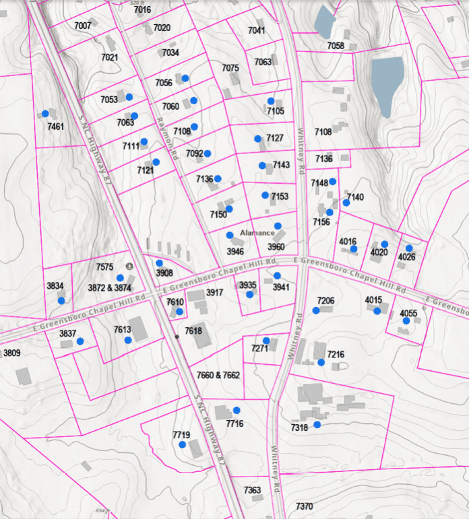
Alamance County Environmental Health will convene a community meeting in Snow Camp to brief residents on elevated PFAS levels discovered in a well used by the Eli Whitney Volunteer Fire Department. State testing found PFAS in the fire station well at 7618 N.C. 87 South at levels above 1,000 parts per trillion, prompting short-term mitigation and outreach to neighbors.
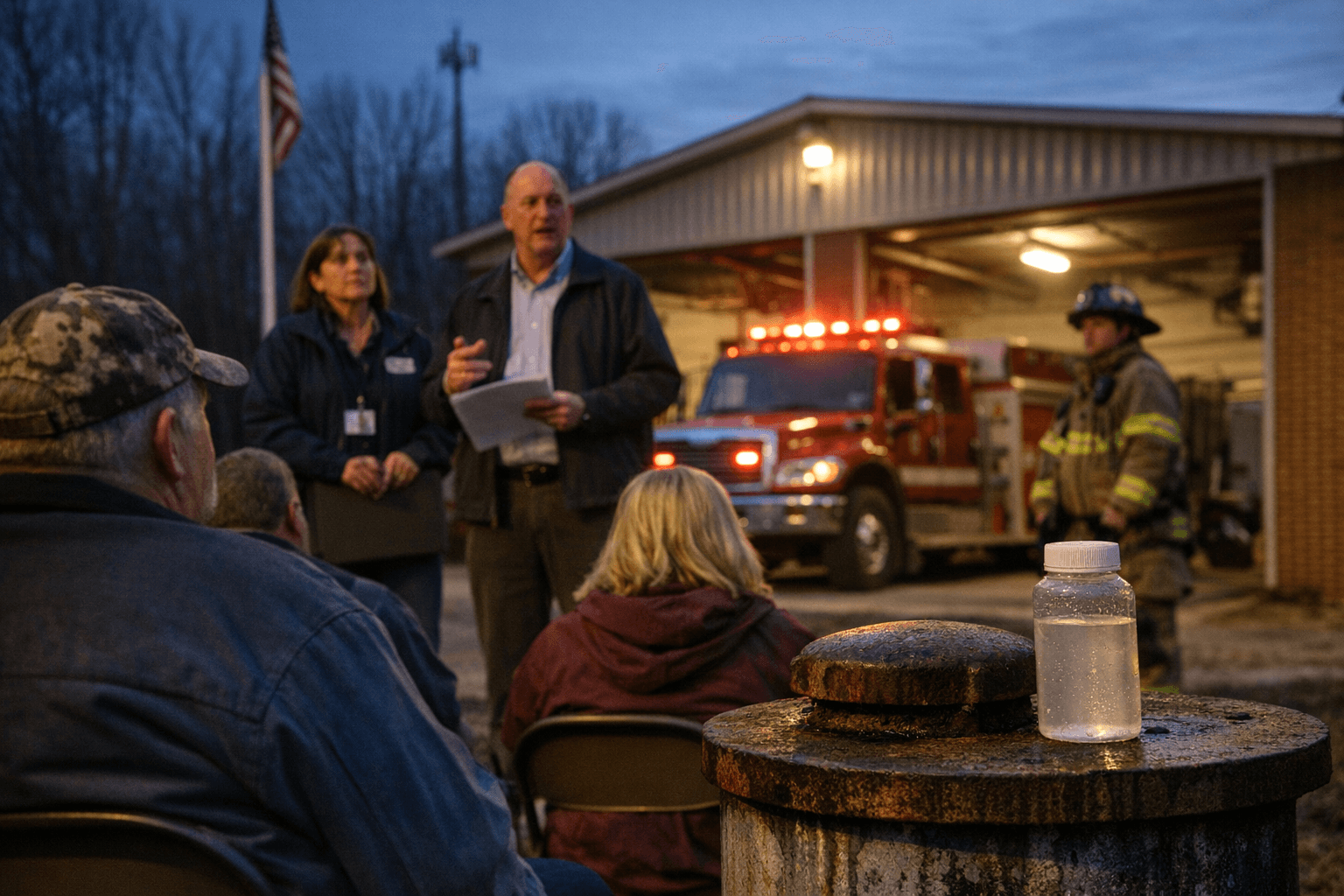
The testing was part of a statewide water quality program commissioned by the North Carolina General Assembly to evaluate more than 400 fire departments in rural areas. County officials said the state research team “considered these levels high enough to require caution,” and “and recommended steps to reduce exposure.” The county’s Environmental Health Section is organizing the Feb. 10 meeting at 7 p.m. at the Eli Whitney Community Building, 3917 Greensboro-Chapel Hill Road, to update residents, present test results and offer a chance to ask questions.
Operational changes are already in place at the fire station. “As an immediate and short-term solution at the fire department, tanked food-grade water has been put in place to replace the well. This tanked water is now connected to the fire station and the community building to support all water use needs.” The Eli Whitney executive board “has been working with subject matter experts from the North Carolina Collaboratory since receiving notification and will continue in search of a long-term solution.”
The discovery has raised concerns about private wells near the station. “Homes adjacent to the fire station may qualify to have their wells tested for PFAS at no cost through the North Carolina Department of Environmental Quality. If elevated PFAS levels are found in adjacent homes, homeowners may also qualify for in-home water filtration.” Residents who rely on private wells should note that Alamance County “doesn’t provide public water or sewer to any of its residents,” a factor that shapes who leads remediation and how quickly long-term fixes can be implemented.
Health implications under discussion at the meeting include risks tied to long-term PFAS exposure. “PFAS exposure has been linked to serious health risks, including low birth weight, elevated cholesterol, thyroid disease, immune suppression, and kidney and testicular cancers.” County and state experts plan to outline monitoring, regulatory efforts and recommended steps for reducing exposure.
The meeting Tuesday, Feb. 10 at 7 p.m. at the Eli Whitney Community Building will provide the most immediate opportunity for residents to hear directly from local health officials and subject-matter experts. Neighbors of the station should consider attending to learn whether they qualify for NCDEQ testing and possible in-home filtration, and to hear next steps as officials and the Eli Whitney board seek a long-term solution.
Know something we missed? Have a correction or additional information?
Submit a Tip