Heat dome expands east, putting 100 million under extreme temperatures
Billings hit 111 degrees as the heat dome pushed east, leaving about 100 million people under extreme temperatures and redrawing the danger map by midweek.
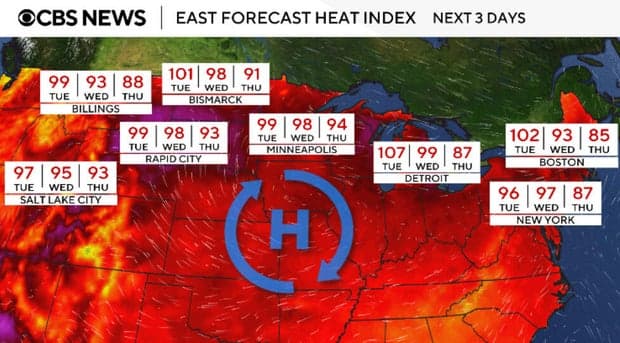
Billings, Montana, hit 111 degrees Sunday as a heat dome that had baked the West pushed east, leaving roughly 100 million people across the United States facing extreme temperatures this week. Outdoor workers, seniors, low-income households, and neighborhoods with fragile power grids are among the most exposed as the heat spreads into the Plains, the Northeast and other regions.
Heat alerts were issued for millions across parts of the western U.S. Sunday, and some places could run 20 to 30 degrees above average for this time of year. Heat index values are expected to reach the high 90s to over 100 for several days, a dangerous combination when humidity rises with the temperature. The National Weather Service warned that heat can quickly turn hazardous under those conditions. Its alert system is used when an extreme event is occurring, is imminent, or has a very high probability of occurrence.

The Northern Tier is expected to peak Tuesday, July 15, with the Northeast peaking Wednesday, July 16. Hazardous heat could linger in the central United States through next weekend, even as the heat dome shifts east at times. The heat wave is affecting the Intermountain West, Northern Plains and Upper Great Lakes, with record-setting heat expected across the region.
Fire weather concerns are also rising because of dry and breezy conditions. Record-setting heat is expected over the next several days from the Intermountain West through the northern Plains, a pattern that is unusually prolonged and, in some locations, exceptionally rare for mid-July.
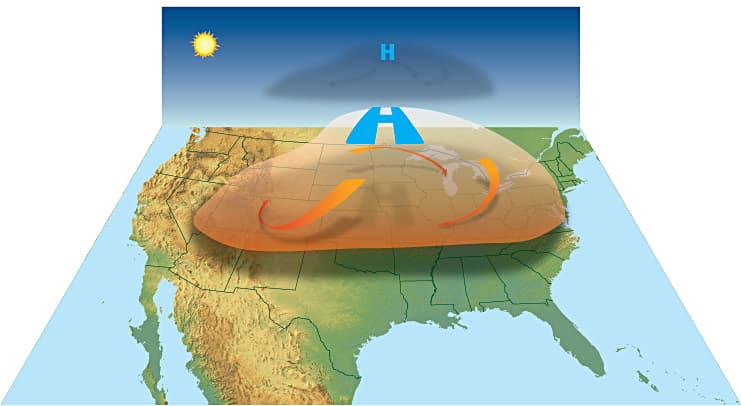
The National Weather Service’s experimental HeatRisk index is a color-numeric tool that shows the potential level of heat-related impacts over a 24-hour period. The index flags where the danger will build fastest as the heat dome expands east.
This article was produced by Prism’s automated news system from verified source data, official records, and press releases, then run through automated quality and moderation checks before publishing. The system is built and supervised by the people who set the standards it runs under. Read our full AI policy.
Did this article answer your question?