Heat Drives Microplastic Release from Plastic-lined Takeaway Coffee Cups, Study Shows
Heat drives microplastic release from plastic-lined takeaway cups, increasing exposure and waste risks for coffee drinkers.
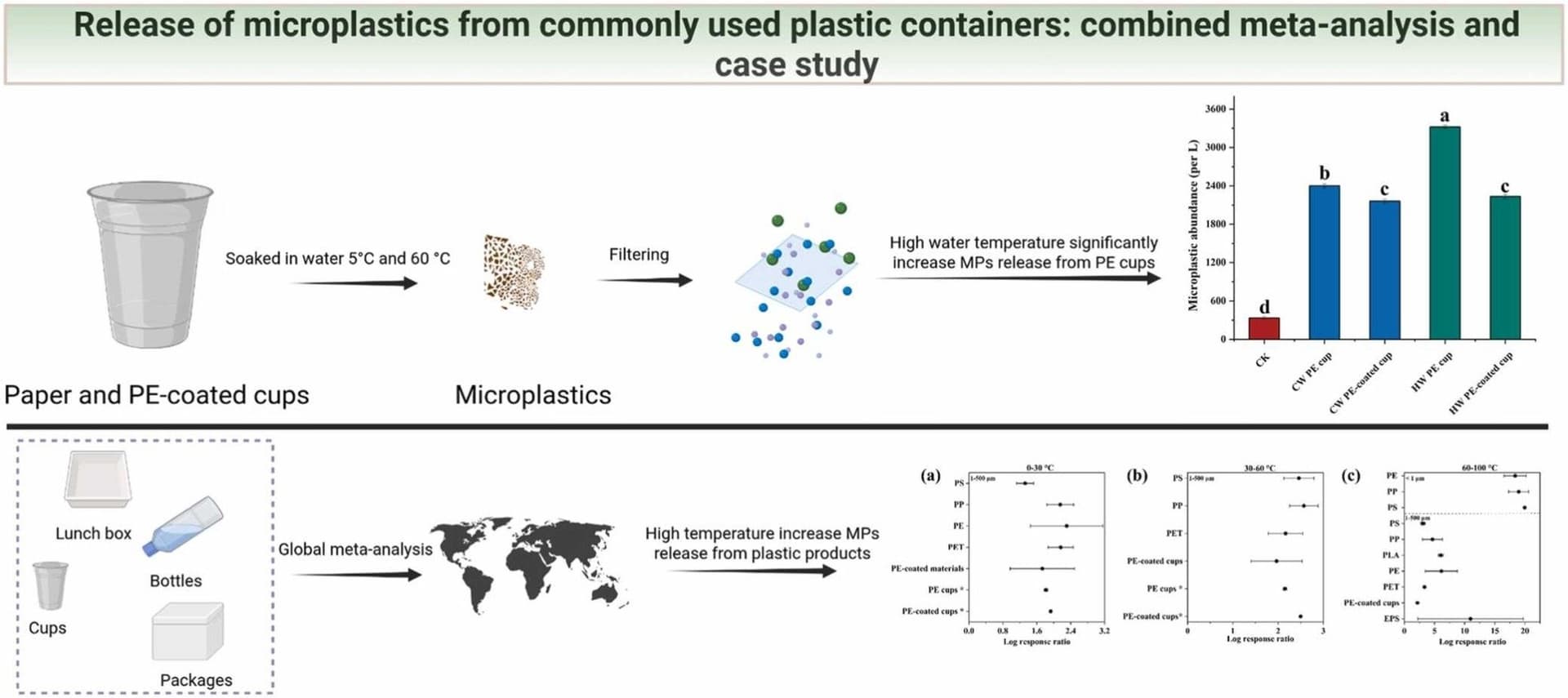
New research found that hot beverages in takeaway cups can release microplastic particles, with heat identified as the main driver and cup construction shaping how many particles enter the drink. Cups and lids that use plastic linings shed far more particles when exposed to hot liquids, while alternative linings produced lower counts. The findings matter for the millions who grab coffee to go because they link everyday choices to both personal exposure and broader plastic pollution.
The study examined how contact between hot liquids and different cup materials affects particle release. Researchers reported that cups with plastic linings and plastic lids were particularly prone to shedding particles once heated, and that variations in lining type led to significant differences in particle counts. The scale of takeaway consumption amplifies the issue: Australia alone uses roughly 1.45 billion single-use hot cups each year, and global use is far higher. That level of single-use consumption means even modest per-cup particle release can translate into substantial environmental loading and consumer exposure over time.
Health implications remain under study, but microplastic presence in beverages adds a concerning layer to existing worries about plastics in food-contact materials. Environmental implications are clearer: microplastics released at the point of use can enter wastewater, soil, and waterways, contributing to a growing legacy of microscopic pollution. For the coffee community that prizes both flavor and sustainability, this is a hot issue that touches daily routines and local waste streams.
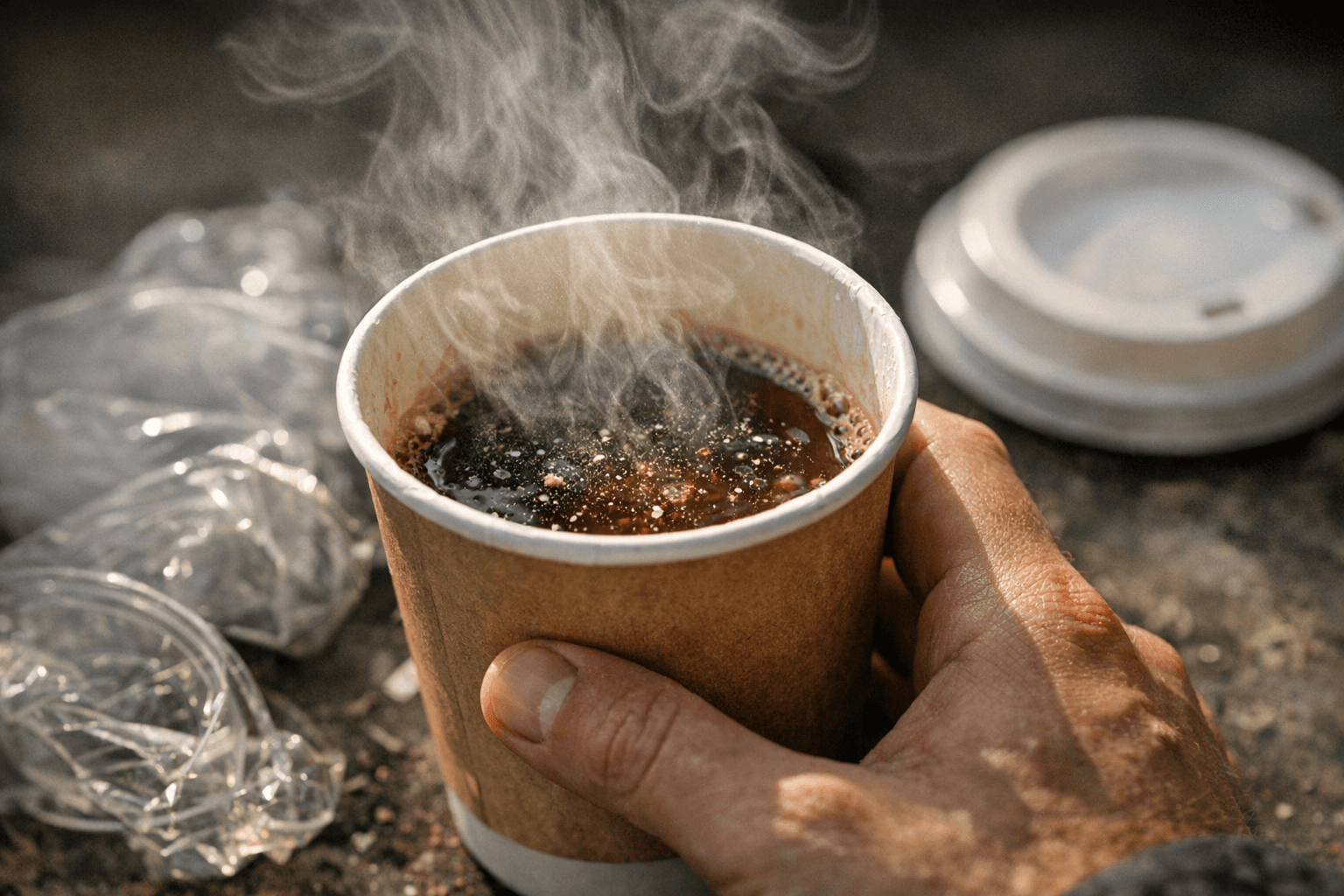
Practical takeaways are straightforward. Reusable, properly cleaned vessels remain the most effective way to reduce both consumer exposure and single-use waste. When reusing a mug or cup, wash it thoroughly between uses and avoid damaged or worn liners that could trap residues. If you must use single-use options, prefer paper-lined or non-plastic-lined cups where available, and avoid sipping directly through plastic lids when drinks are very hot. At the shop level, baristas and owners can push for design and material changes that lower contamination risk—moving away from plastic linings, testing alternative coatings, and considering lid materials that resist heat-driven shedding.
For community events, markets, and local cafes, this research strengthens the case for incentives to bring-your-own mugs, better docking stations for rinsing, and clearer labeling on cup materials. Manufacturers and regulators will likely face pressure to redesign single-use hot cups to limit microplastic release. For now, opting for a well-cleaned reusable cup and favoring non-plastic linings where possible gives you the best mix of safety and sustainability as the industry works toward cleaner solutions.
Know something we missed? Have a correction or additional information?
Submit a Tip