Heat wave leaves at least 25 dead across the United States
New Jersey identified 19 suspected heat deaths as a brutal heat dome pushed the U.S. toll to at least 25 and put nearly 142 million people under heat alerts.
New Jersey health officials said 19 suspected heat-related deaths had been identified across the state, mostly in central and northern New Jersey, as the heat dome that scorched the eastern United States pushed the national toll to at least 25. State Health Commissioner Dr. Raynard Washington said the deaths had begun appearing as early as Thursday, July 2, with Gov. Phil Murphy linking them to the heat wave.
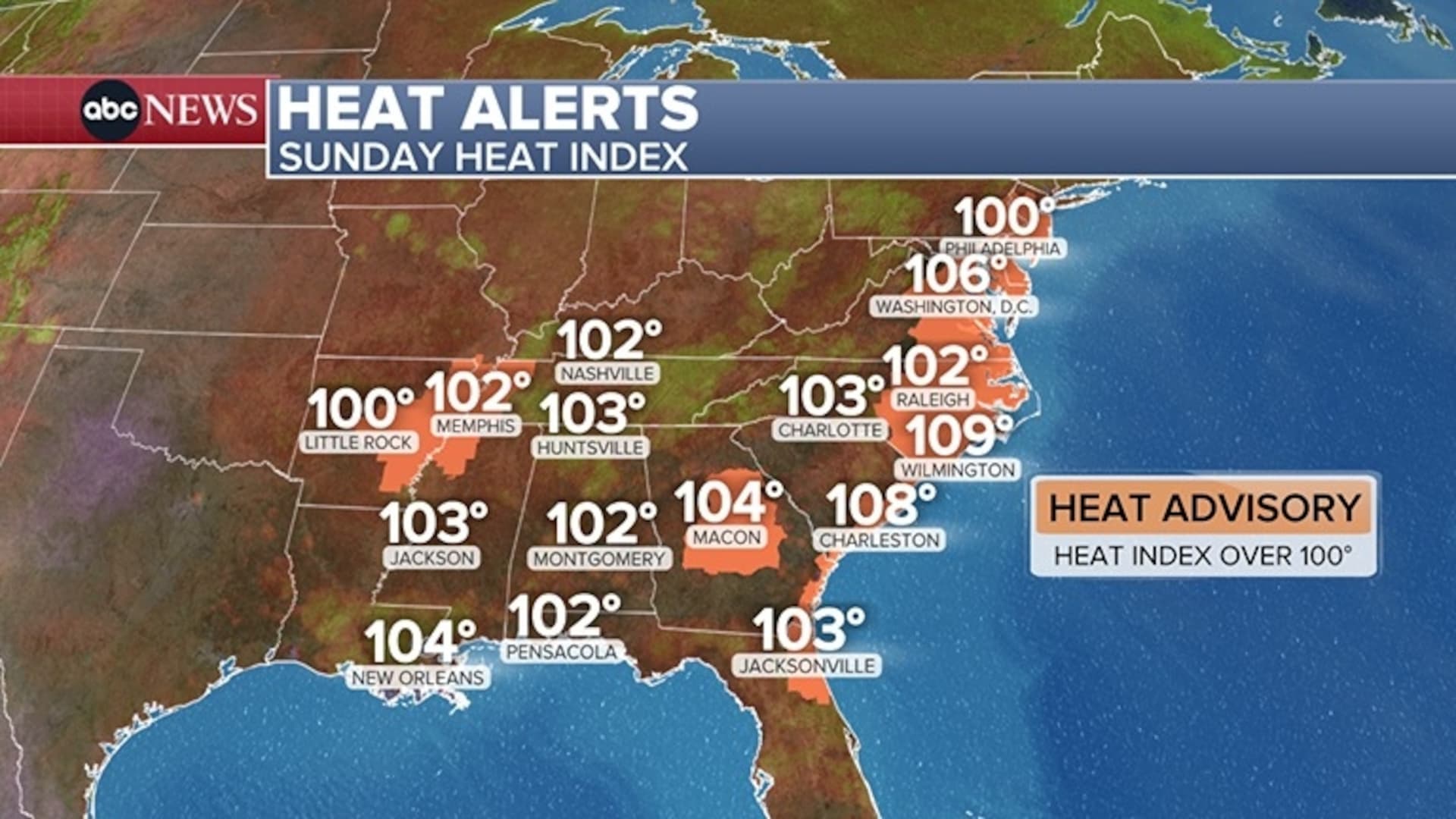
The deaths in New Jersey came as the National Weather Service warned that nearly 142 million people were under heat alerts and that Thursday and Friday could bring the possibility of all-time record highs in some places. Forecasters described the system as a potentially historic heat wave across the eastern third of the country near the July Fourth holiday, with dangerous temperatures expected to continue across much of the central and eastern U.S. through Friday and then along the East Coast through the weekend.
The danger stretched well beyond temperature readings. FOX Weather said more than 150 million people were exposed to extreme heat on July 4, with feels-like temperatures of 100 to 110 degrees forecast along the Northeast and Mid-Atlantic coasts. More than 44 million people were expected to face triple-digit air temperatures or heat index values over the holiday weekend, while the National Weather Service also warned that thunderstorms could bring heavy to excessive rainfall and flooding from the Midwest to the Mid-Atlantic.

The breadth of the outbreak made the holiday one of the most punishing heat events of the summer so far. NBC New York said the New Jersey deaths were concentrated in one of the nation’s most densely populated regions, underscoring how the worst impacts can cluster where large numbers of people are exposed to sustained heat. The public-health burden was amplified by the scale of the alert system itself, with dozens of millions of residents facing dangerous conditions at once.
The toll also fits a broader pattern that makes extreme heat one of the deadliest weather threats in the United States. Weather-service-linked reporting says extreme heat kills more Americans than floods, tornadoes, hurricanes or lightning, and NOAA records show 1995 remains the deadliest year on record for U.S. heat, with 1,021 deaths blamed on extreme temperatures.
This article was produced by Prism’s automated news system from verified source data, official records, and press releases, then run through automated quality and moderation checks before publishing. The system is built and supervised by the people who set the standards it runs under. Read our full AI policy.
Did this article answer your question?