Heat waves muddle animal minds, from birds to monkeys, study finds
Female southern pied babblers in South Africa pecked at a clear barrier instead of learning to detour for food when temperatures climbed.
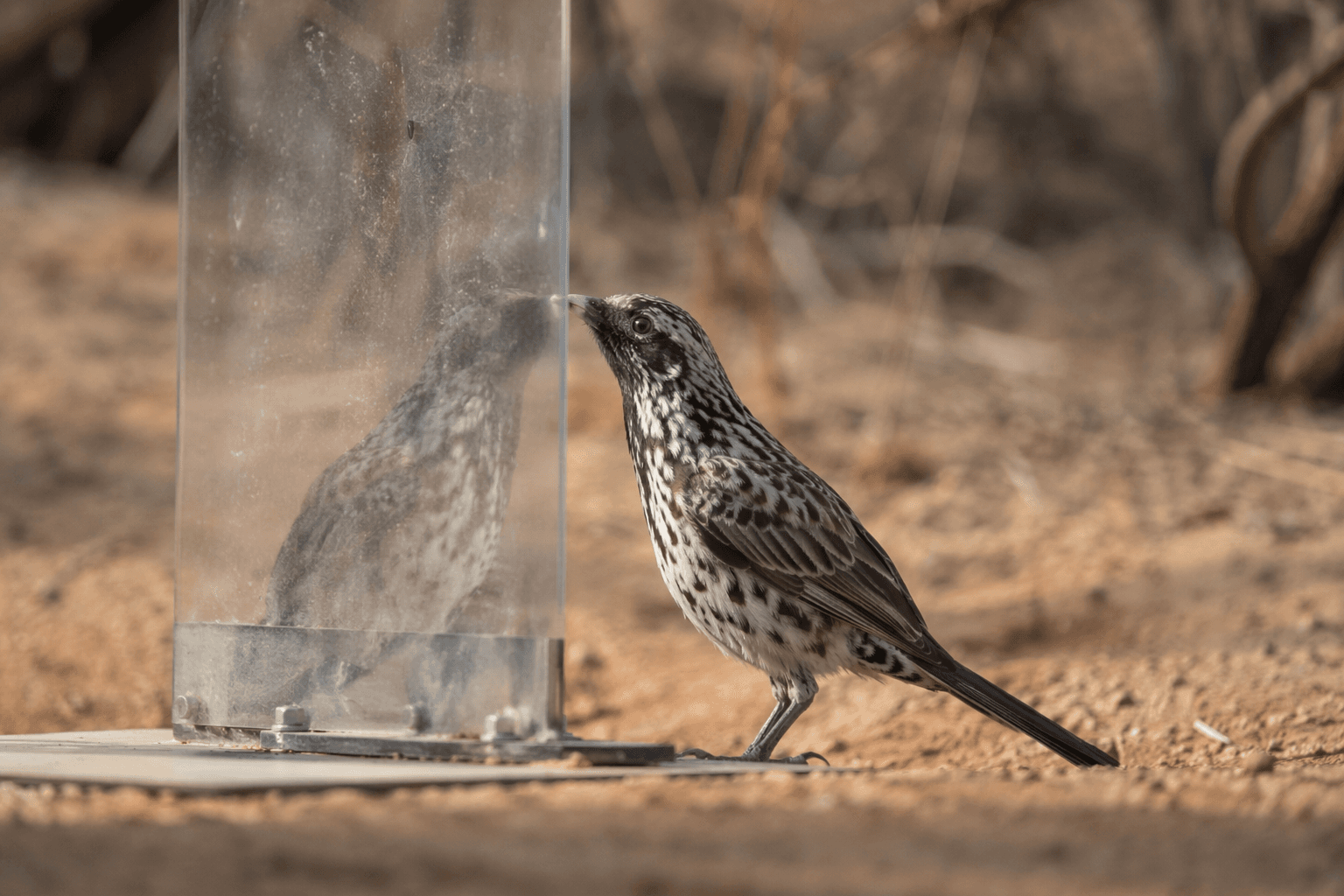
When the heat rose in South Africa, female southern pied babblers lost the plot in a simple food task: on cooler days, the black-and-white birds quickly learned to go around a transparent barrier to reach mealworms, but in hotter conditions they kept pecking at the obstacle instead of solving it. The detour experiment is one more sign that extreme heat can do more than exhaust animals physically. It can scramble how they learn, react and survive.
That matters because heat waves are becoming more frequent and more severe as climate change pushes temperatures higher. A 2019 review found that most of the warmest summers and most intense heat waves on record had come during the previous decade, underscoring how quickly extreme heat has become part of the ecological landscape. Across wild and captive animals, studies have linked high temperatures to weaker learning, poorer memory, reduced vigilance, faulty decision-making and less appropriate social responses. In some cases, heat has even doubled the number of trials an animal needs to master a task.
The effect is not limited to sluggish thinking. Other research shows that animals often become more aggressive when temperatures spike, from salamanders to monkeys. A 2024 review found that short-term temperature increases can alter aggression in ectotherms, including fish. The pattern raises a broader concern for ecosystems: if animals cannot stay alert enough to find food, avoid predators or manage social conflict, their chances of surviving and reproducing can fall. Pollination and other ecological services may also suffer when heat disrupts behavior across species.

Amanda Ridley, a behavioral ecologist at the University of Western Australia who coauthored the pied babbler study, has warned that reduced alertness in heat can sharply lower an animal’s odds of survival. Her work adds to a growing effort to connect the brain effects of extreme heat to changes seen in the wild, where thermoregulation already forces animals to spend more time staying cool and less time foraging, parenting or scanning for danger.
Not every species responds the same way. A 2025 study of guppies found that large-brained fish outperformed small-brained fish in a detour problem-solving task during a heatwave, even though heat still reduced performance overall. That suggests body size, brain size or both may help buffer some animals from the worst cognitive effects. But the larger warning stands: as heat waves intensify, they may reshape animal behavior, population dynamics and the functioning of entire ecosystems.
This article was produced by Prism’s automated news system from verified source data, official records, and press releases, then run through automated quality and moderation checks before publishing. The system is built and supervised by the people who set the standards it runs under. Read our full AI policy.
Did this article answer your question?