Heatwave strains U.S. power grid as outages top 842,000
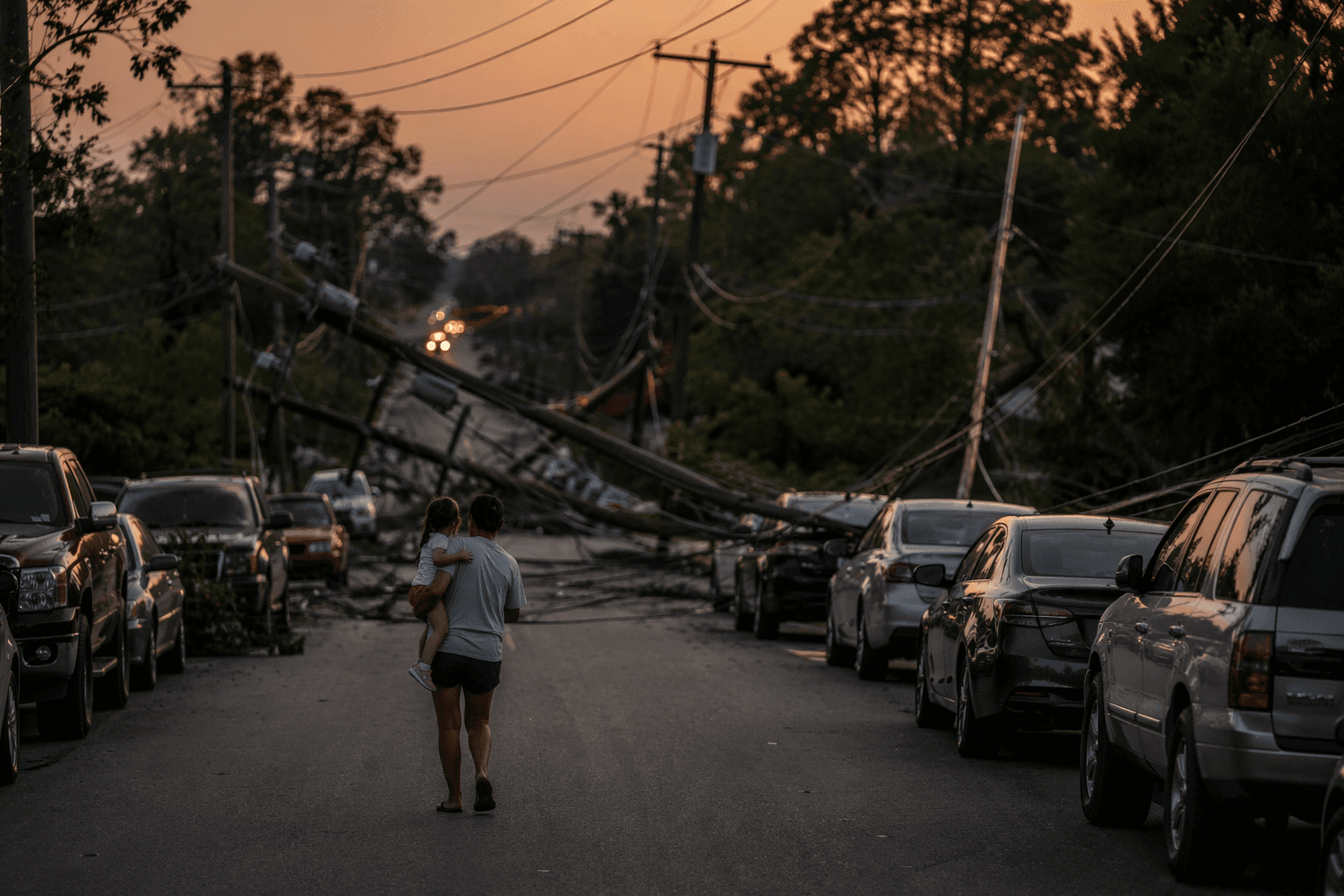
More than 842,000 customers lost power as a July 4 heat dome drove PJM toward record demand and prompted federal emergency orders.
More than 842,000 customers lost power across the country as a dangerous holiday heat dome pushed the U.S. electricity system into a stress test. The sharpest pressure fell on PJM Interconnection, which serves 65 million people in 13 states and Washington, D.C., after the U.S. Department of Energy issued emergency orders on June 30 to reduce blackout risk and direct the grid operator to dispatch specific units and conserve energy if needed.
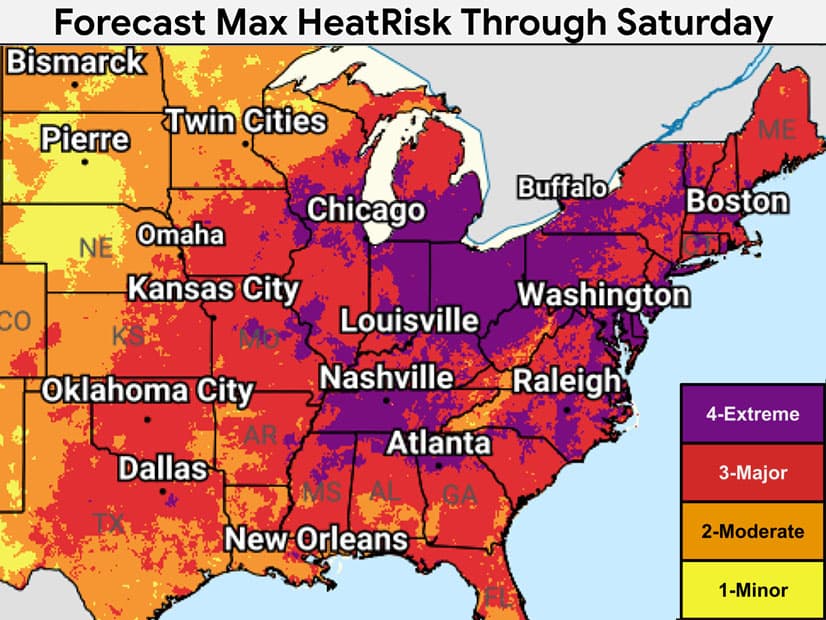
Heat indices were forecast to reach 113 degrees in Washington, D.C., 112 in Philadelphia, 110 in New York City, 100 in Chicago and Detroit, and 111 in Nashville, turning air conditioning into a major driver of demand across the country. The same weather and load surge were tied to outages affecting about 1 million people in the Midwest, Northeast and Ontario.
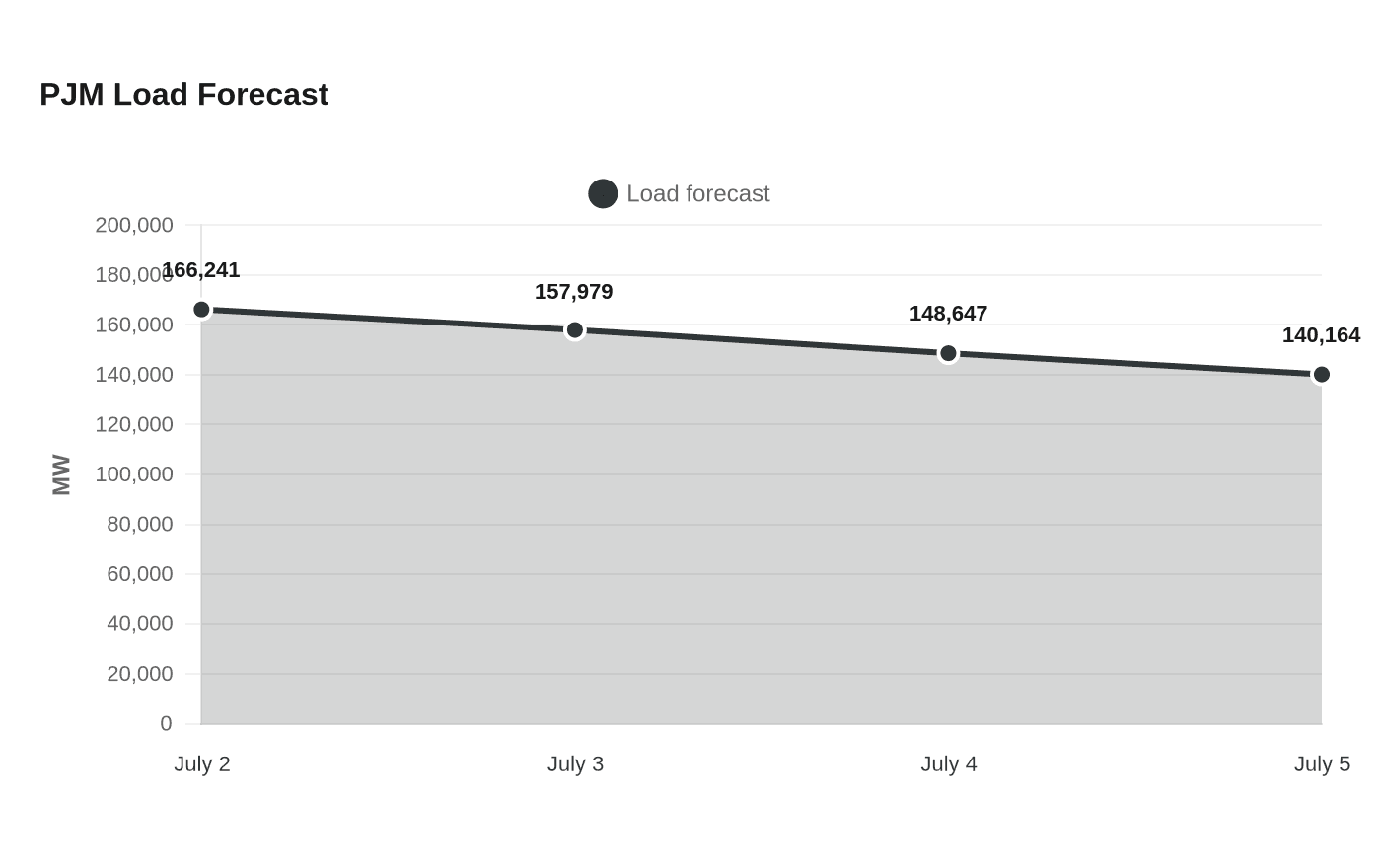
PJM issued a Maintenance Outage Recall on June 25 and kept a Hot Weather Alert in place through at least July 3. Its load forecast peaked at 166,241 megawatts on July 2, above the grid’s all-time record of 165,563 megawatts set in 2006, then eased to 157,979 megawatts on July 3, 148,647 megawatts on July 4 and 140,164 megawatts on July 5. The Department of Energy issued emergency orders on June 30 to reduce blackout risk and direct the grid operator to dispatch specific units and conserve energy if needed.
Large electricity users such as data centers also add to demand in PJM’s territory. The regional pool was first formed in 1927. It became the Pennsylvania-New Jersey-Maryland Interconnection in 1956, a fully functioning ISO in 1996, introduced markets in 1997 and became an RTO in 2001.
University of Houston energy expert Ramanan Krishnamoorti: "It's going to really strain the grid.
This article was produced by Prism’s automated news system from verified source data, official records, and press releases, then run through automated quality and moderation checks before publishing. The system is built and supervised by the people who set the standards it runs under. Read our full AI policy.
Did this article answer your question?