Hegseth orders Pentagon testosterone screenings for troops over 30
The Pentagon will now test troops 30 and older for testosterone deficiency, a policy Hegseth cast as a readiness move even as it reaches women and raises medical questions.

Pete Hegseth ordered annual testosterone-deficiency screenings for service members age 30 and older, putting the test into their periodic health assessments and extending the policy to women as well as men. Troops under 30 were allowed to opt in voluntarily, and if testosterone replacement therapy was recommended, the final decision remained with the individual service member.
Hegseth framed the move as a readiness measure, saying it was meant to keep troops on the “leading edge of lethality” and ensure they had the “right testosterone levels” to operate at their “absolute best.” The policy fit into his broader campaign to recast the force around a “warrior ethos,” tighter physical standards and a more explicitly masculine image, including earlier moves toward a military-wide standards review, stricter body-fat and grooming rules, and gender-neutral or male-based combat standards.
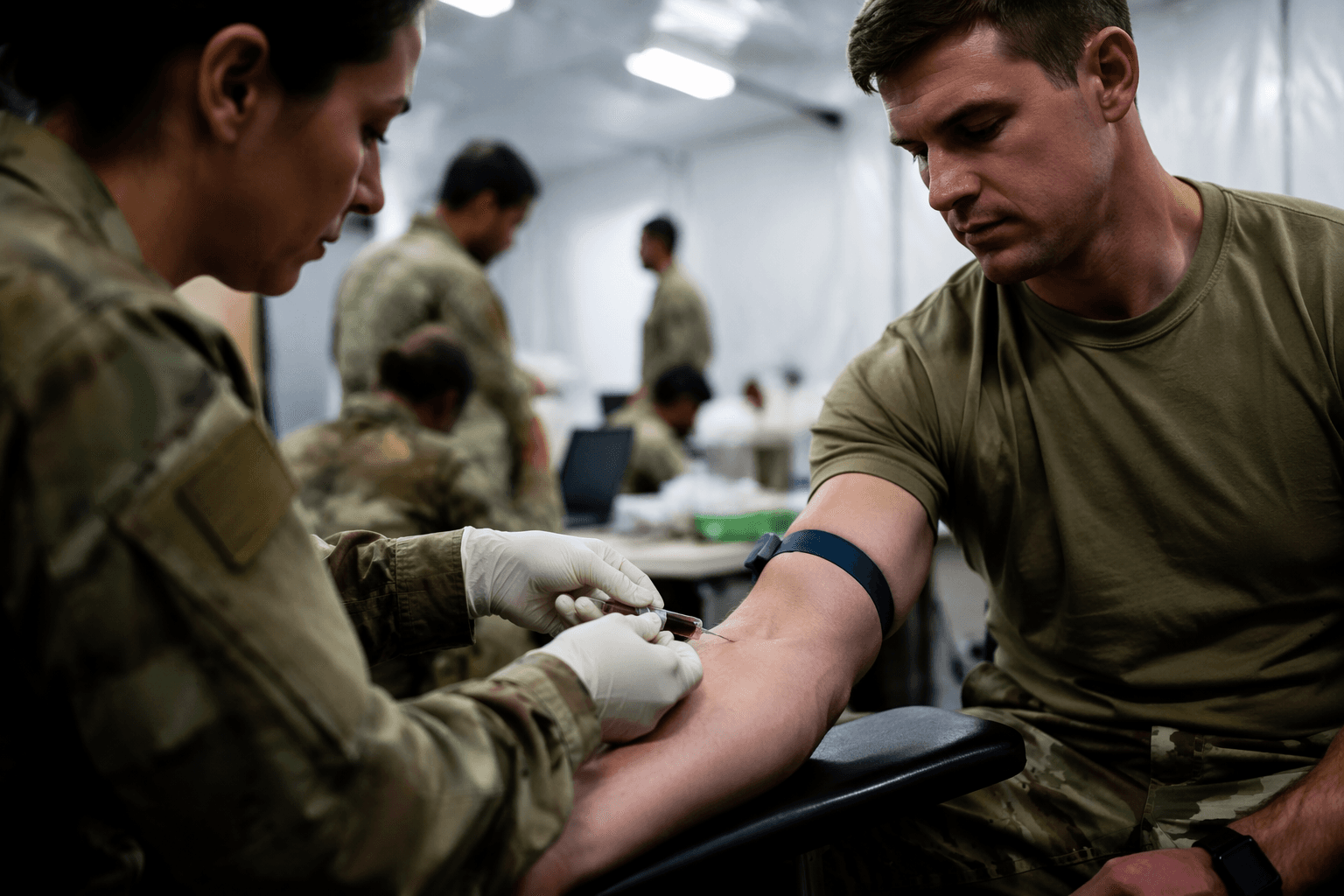
The screening threshold of 30 reached a large share of the force. One report said it covered about one-third of active-duty personnel. The Pentagon had not released additional implementation guidance, and the Defense Health Agency referred questions back to the Pentagon.
The new requirement also raised immediate questions about medical evidence and fit across a force that includes thousands of women in uniform. The American Urological Association says low-testosterone prevalence varies widely across studies, ranging from 2% to 50%, underscoring how difficult it can be to define deficiency with a single rule. Researchers and clinicians have linked operational tempo, chronic stress, blast exposure, traumatic brain injury and sleep disruption to hormonal dysregulation in military populations, particularly in special operations units, but those findings do not automatically translate into a universal screening mandate.
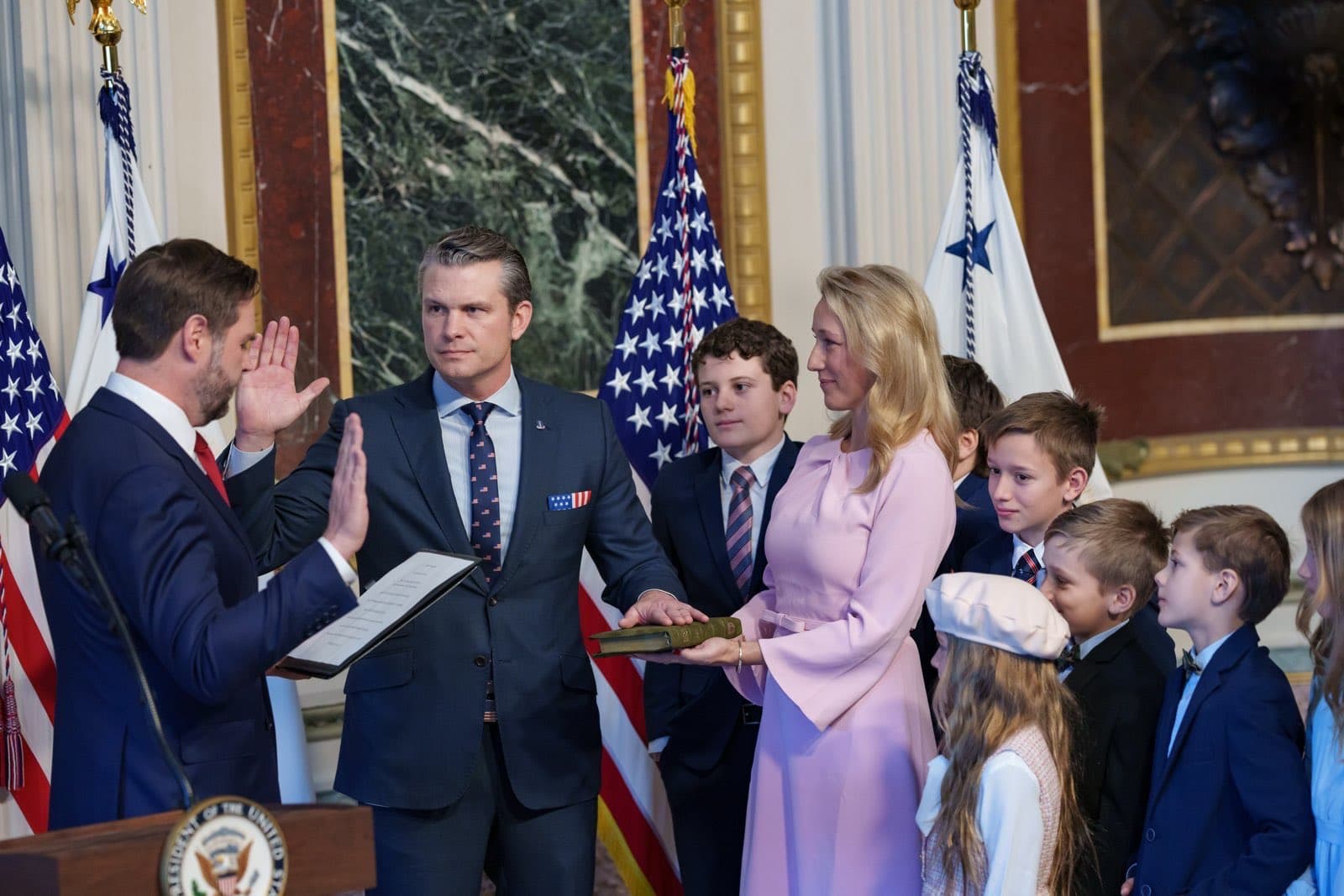
Hegseth’s order landed in the middle of a long-running military debate over standards, women in combat and whether the armed forces should prioritize inclusivity or maximum physical rigor. Supporters of tougher standards have argued for years that integration should not mean lowered benchmarks, and Hegseth has pushed that view as he seeks to reshape the Pentagon under the banner of lethality.
This article was produced by Prism’s automated news system from verified source data, official records, and press releases, then run through automated quality and moderation checks before publishing. The system is built and supervised by the people who set the standards it runs under. Read our full AI policy.
Did this article answer your question?