Hegseth warns war could escalate as Iran ceasefire wobbles and costs soar
The ceasefire with Iran is still holding, but only just. Washington is tracking $29 billion in war costs, Hormuz risks and fresh threats to enrich uranium to weapons-grade.
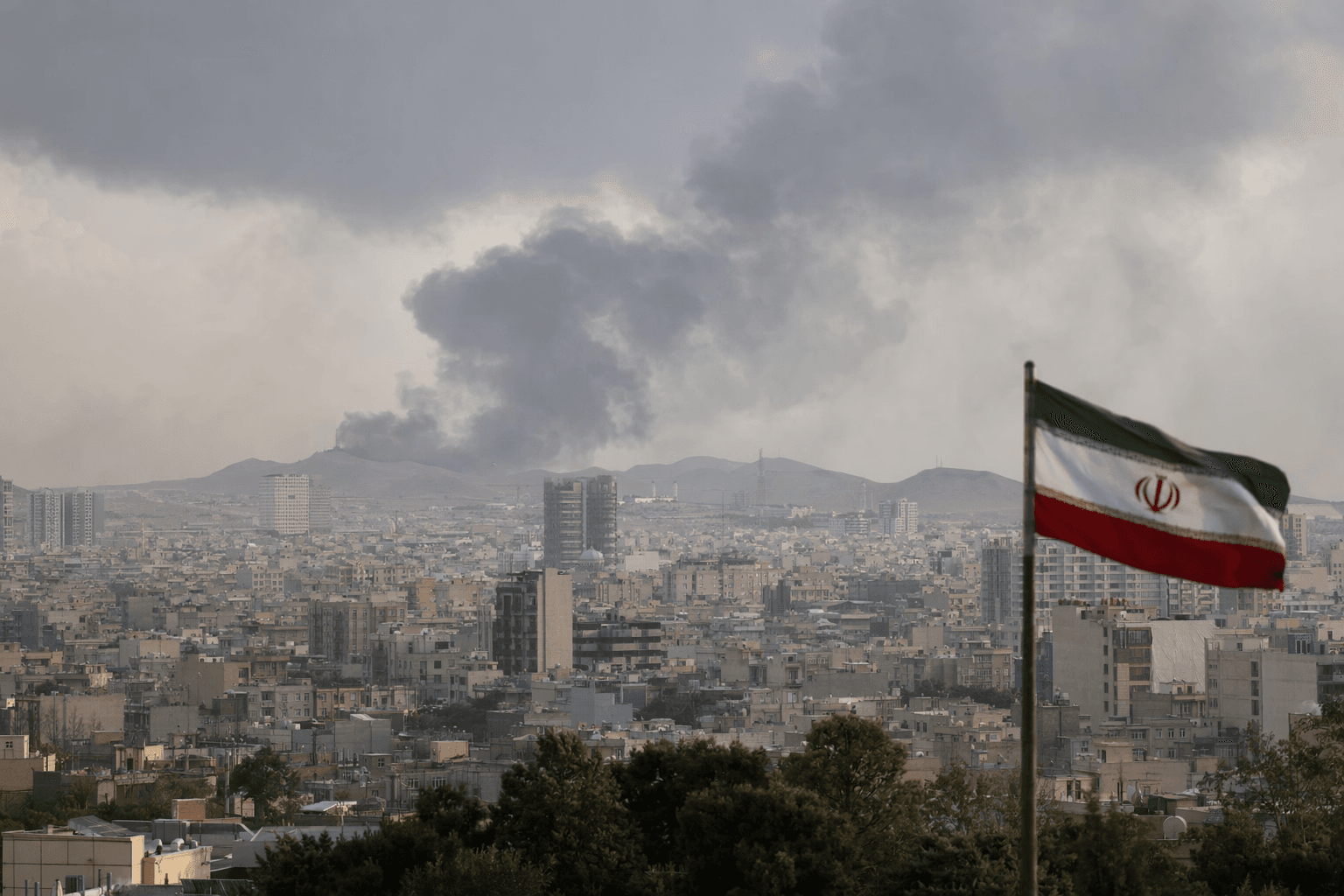
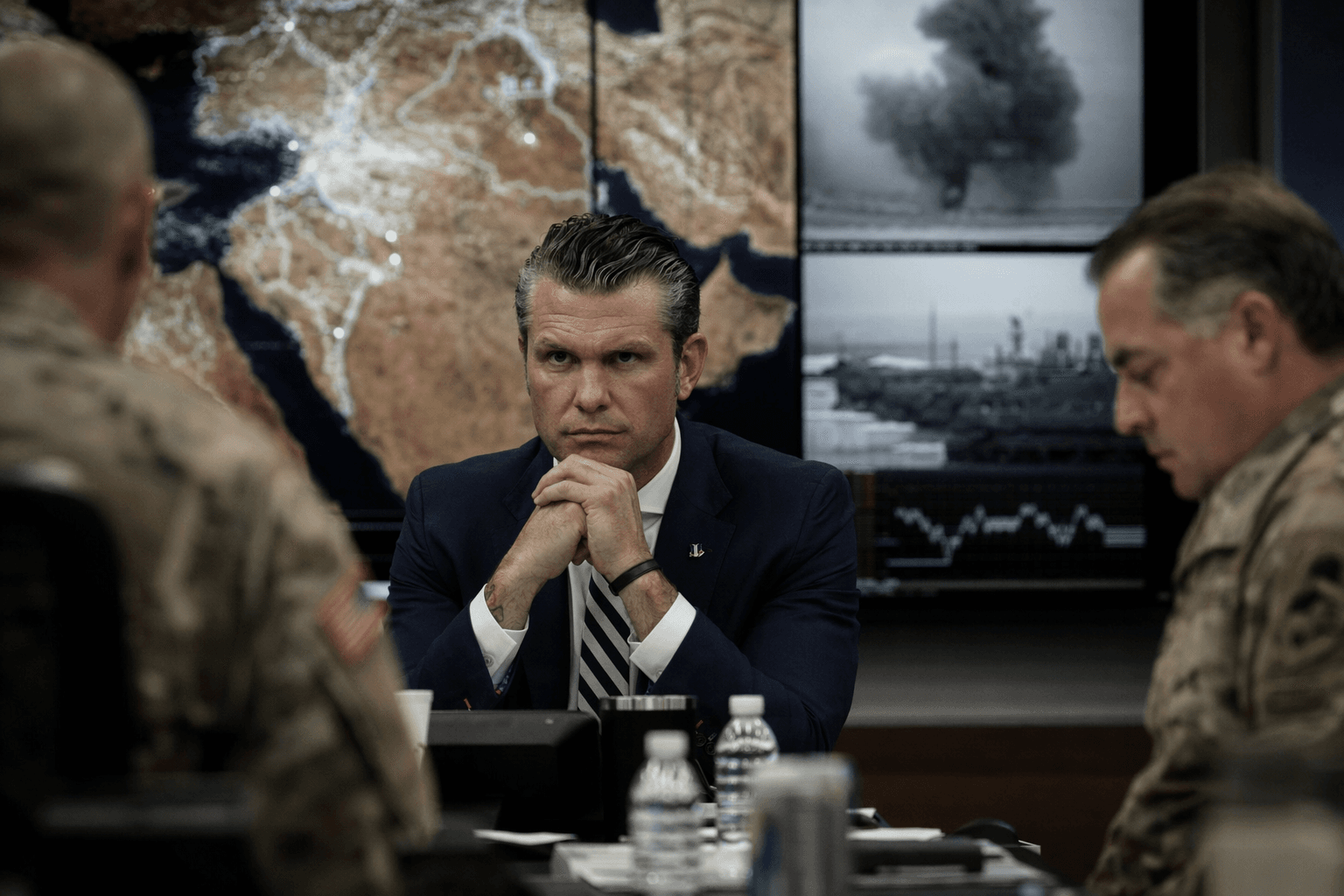
The ceasefire with Iran looked increasingly fragile as Pete Hegseth told House lawmakers it remained in effect even while exchanges of fire continued and the Pentagon’s war bill climbed to nearly $29 billion. That figure was up $4 billion from the estimate given nearly two weeks earlier, a sharp reminder that the conflict is now being measured not only in battlefield risk but in cash, with Hegseth defending a historic $1.5 trillion military budget request for 2027 under bipartisan scrutiny.
Donald Trump added to the alarm by saying the ceasefire was “on life support” after rejecting Tehran’s response to a U.S. peace proposal. He called Iran’s reply “stupid” and “garbage,” and said he did not even finish reading it. The warning from Washington was not just rhetorical. Trump said the conflict could keep paralyzing shipping through the Strait of Hormuz, the chokepoint through which about 20% of the world’s oil normally flows. Any renewed fighting there would reverberate far beyond the Middle East, pushing up energy costs and raising the odds of another squeeze on global markets.
Iran’s reply reportedly demanded compensation for war damage, security guarantees against further attacks, an end to the U.S. naval blockade, sanctions relief and removal of the ban on Iranian oil sales. It also stressed Iranian sovereignty over the Strait of Hormuz. That mix of demands showed how far apart the sides remained and how quickly a shaky truce could give way to a wider confrontation at sea, in the air and around Iran’s energy exports.
The nuclear front remains the most dangerous trigger. Iranian parliamentary spokesman Ebrahim Rezaei said Tehran could enrich uranium up to 90% purity if attacked again, a weapons-grade level that would instantly raise the stakes in Washington and in European capitals. The International Atomic Energy Agency said attacks on Iranian nuclear sites sharply degraded safety and security on June 20, 2025, but did not cause a radiological release affecting the public. It said Natanz’s electricity infrastructure was destroyed and the above-ground part of its Pilot Fuel Enrichment Plant was functionally destroyed, while Fordow remained Iran’s main enrichment location for uranium to 60%. At Esfahan, four buildings were damaged and no increase in off-site radiation was reported.
Rafael Mariano Grossi later warned that Iran could resume producing enriched uranium again in a matter of months. That timeline matters because it means the nuclear issue could return almost as soon as the guns go quiet. With Lebanon still in the regional equation and mistrust deep after previous rounds of negotiations, the ceasefire may hold for now, but the signals of a slide back into war are already visible in Washington, in Tehran and in the Strait of Hormuz.
This article was produced by Prism’s automated news system from verified source data, official records, and press releases, then run through automated quality and moderation checks before publishing. The system is built and supervised by the people who set the standards it runs under. Read our full AI policy.
Did this article answer your question?