Hegseth’s censure of Mark Kelly tests military retirees’ speech rights
Hegseth’s censure of Mark Kelly could decide whether retired officers keep First Amendment rights, or remain vulnerable to military punishment for political speech.
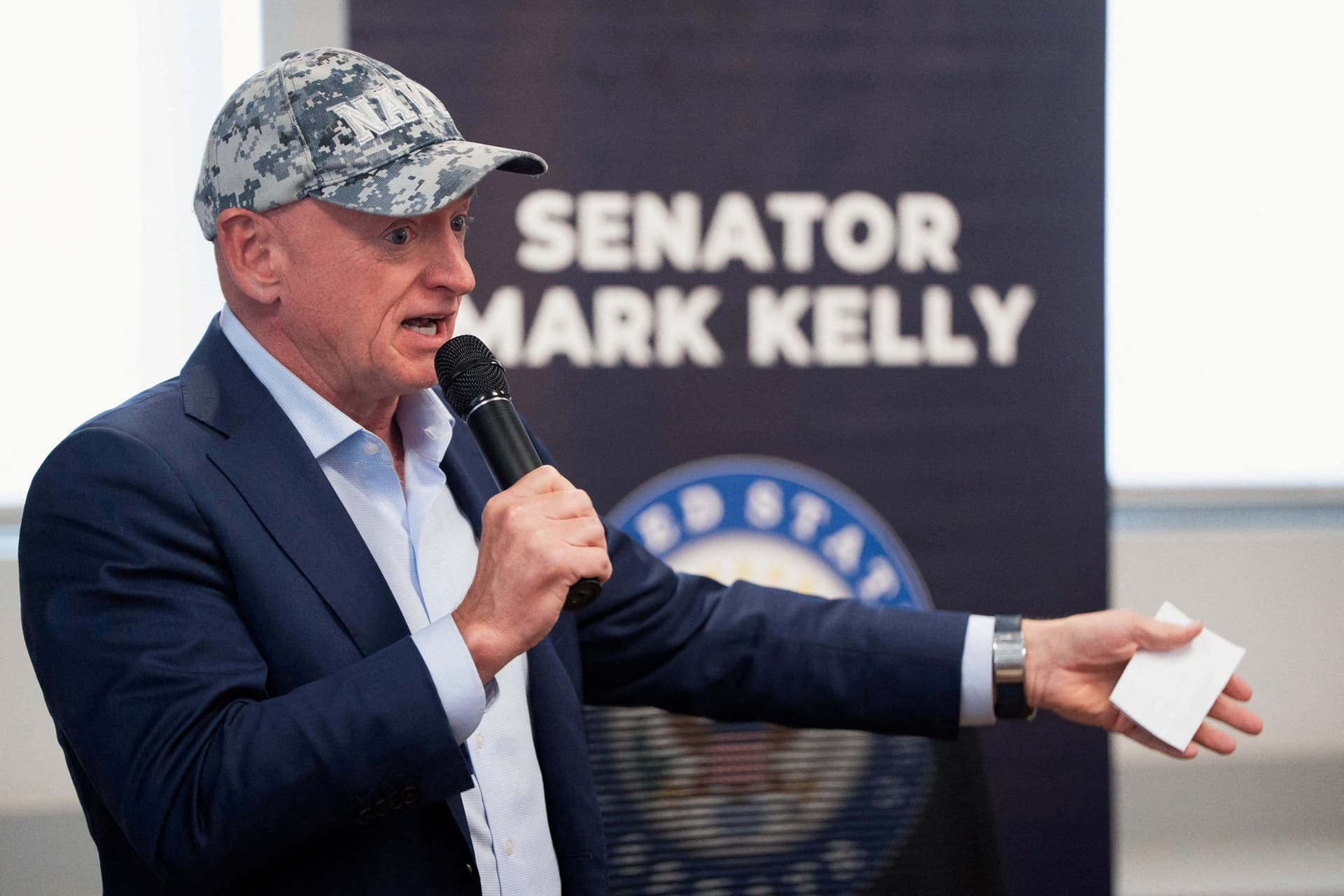
Pete Hegseth’s censure of Sen. Mark Kelly has pushed a narrow personnel dispute into a national test of whether military retirees still keep the speech rights they held as civilians. The fight now centers on a blunt question: if the government can punish a retired Navy captain for public criticism, what is left of civilian oversight of the armed forces?
Hegseth issued a Secretarial Letter of Censure against Kelly on January 5, 2026, saying the Arizona Democrat engaged in a sustained pattern of public statements from June 2025 through December 2025 that he viewed as prejudicial to good order and discipline. Pentagon proceedings tied to the letter threatened to reduce Kelly’s retired rank and pay, turning a political clash into a direct challenge to the limits of military authority over former officers.
Kelly sued the Pentagon and Hegseth on January 12, 2026, arguing that the retaliation violated the First Amendment and the Speech or Debate Clause. He defended his conduct on the Senate floor the next day, saying he would not back down. On February 12, U.S. District Judge Richard J. Leon blocked the Pentagon from reducing Kelly’s retirement rank and pay while the case moved forward.
The administration appealed, and a three-judge panel of the U.S. Court of Appeals for the D.C. Circuit heard arguments on May 7, appearing skeptical of the Pentagon’s position. The government has argued that some retirees remain under military jurisdiction, pointing to 10 U.S.C. § 802, which includes certain retired regular-component members under the Uniform Code of Military Justice, and 10 U.S.C. § 688, which authorizes the military to recall some retirees to active duty. Critics say those statutes do not erase constitutional protections and do not give the government a blank check to punish retired service members for political speech.
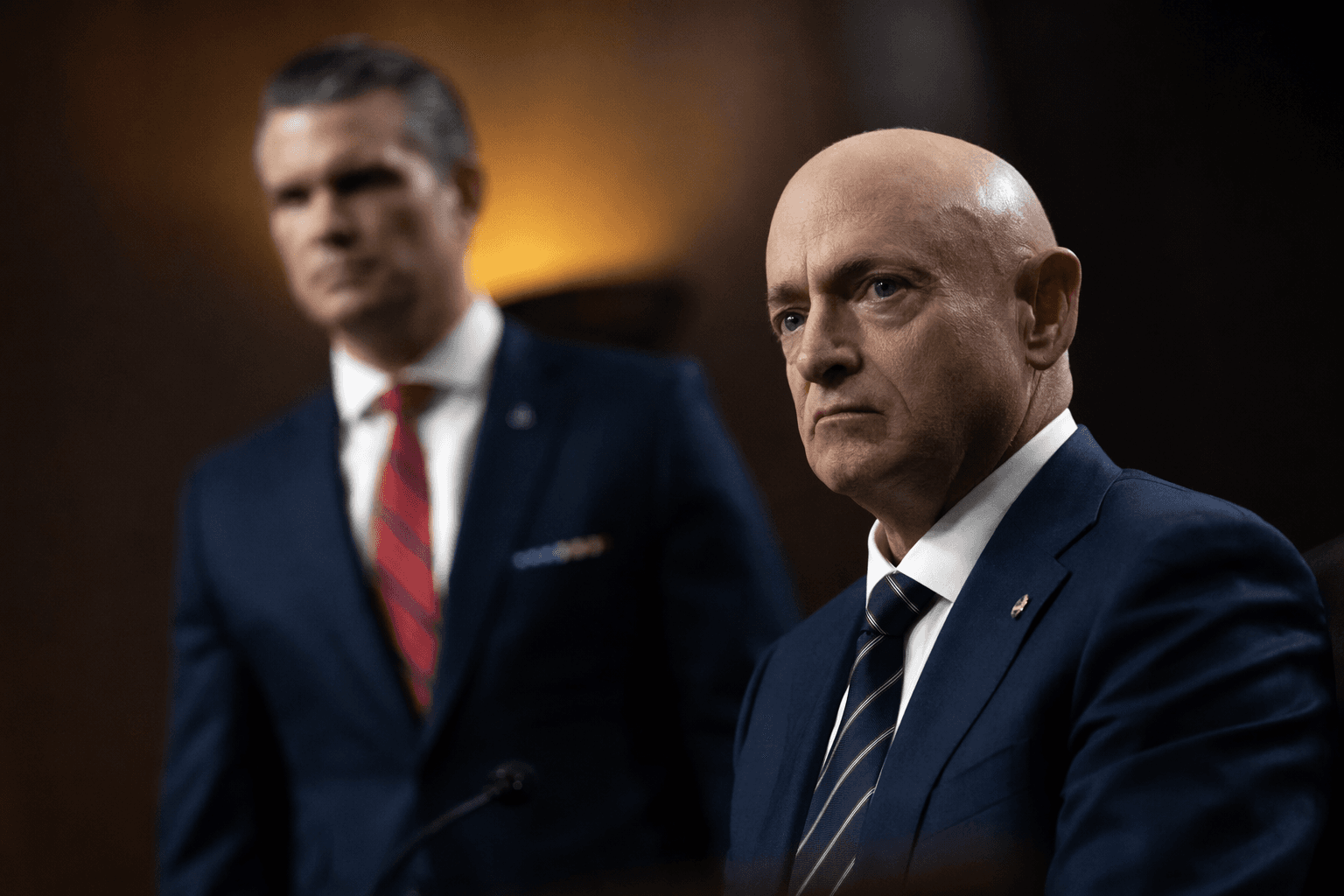
The case has drawn broad resistance from veterans and free-speech groups. The National Institute of Military Justice condemned any attempt to punish Kelly, a military retiree, for his speech. The Foundation for Individual Rights and Expression, the Cato Institute, and National Security Leaders for America also warned that extending active-duty restrictions to retirees would chill lawful dissent. A coalition of 41 former service secretaries, retired senior military leaders, and the Vet Voice Foundation filed an amicus brief arguing that the government’s theory would have a chilling effect on public speech.
At the center of the legal fight is Parker v. Levy, the 1974 Supreme Court case upholding speech limits for active-duty personnel. Kelly’s supporters say that precedent does not reach retired officers, and that using it here would redraw the boundary between military loyalty and protected political speech far beyond this one senator.
This article was produced by Prism’s automated news system from verified source data, official records, and press releases, then run through automated quality and moderation checks before publishing. The system is built and supervised by the people who set the standards it runs under. Read our full AI policy.
Did this article answer your question?

