Helena Commission Adopts Resolution Restricting Police Cooperation with Federal Immigration Authorities
Helena city commission voted 4-1 to limit police cooperation with federal immigration authorities, affecting local policing practices and limits on information disclosure.
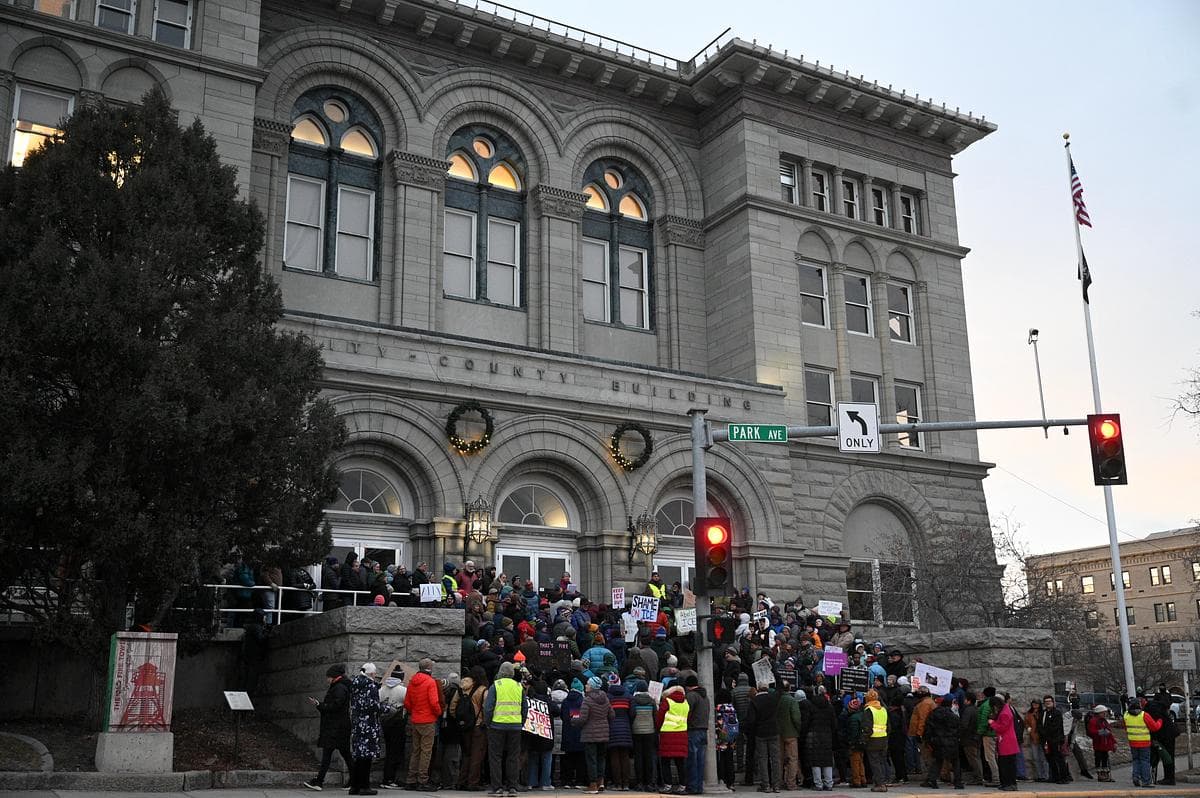
The Helena City Commission voted 4-1 on Jan. 27, 2026 to adopt a resolution clarifying when and how the Helena Police Department will interact with federal immigration authorities. The measure reaffirms existing department policy that prohibits arrests based solely on immigration status, explicitly states the city will not enter into a 287(g) agreement with U.S. Immigration and Customs Enforcement, and restricts disclosure of a person’s place of birth, immigration status or national origin unless required by law or a valid court order.
The commission’s action follows heightened local concern after a previous detainment involving ICE and the Helena Police Department’s recent temporary withdrawal from a regional drug task force after that task force included U.S. Border Patrol agents. The resolution also encourages Helena officers to request that federal immigration agents unmask and identify themselves when doing so would not interfere with federal operations.
Hundreds of residents attended the hearing at Helena city hall and roughly 80 people provided public comment. Most speakers supported the resolution, while many urged commissioners to adopt stronger, binding measures such as ordinance changes or mandatory reporting requirements. Commissioners debated several proposed amendments, including language to require publishing data on profiling and formal reporting of interactions with federal immigration agents, but those amendments failed to pass.
Commissioner Sean Logan cast the sole opposing vote. Logan said he was concerned that some resolution language could put local officers in legally difficult positions when federal and local obligations conflicted. The other four commissioners voted in favor of the final text, which county and city officials described as a clarification and reaffirmation of current department practice rather than a sweeping new legal shield.
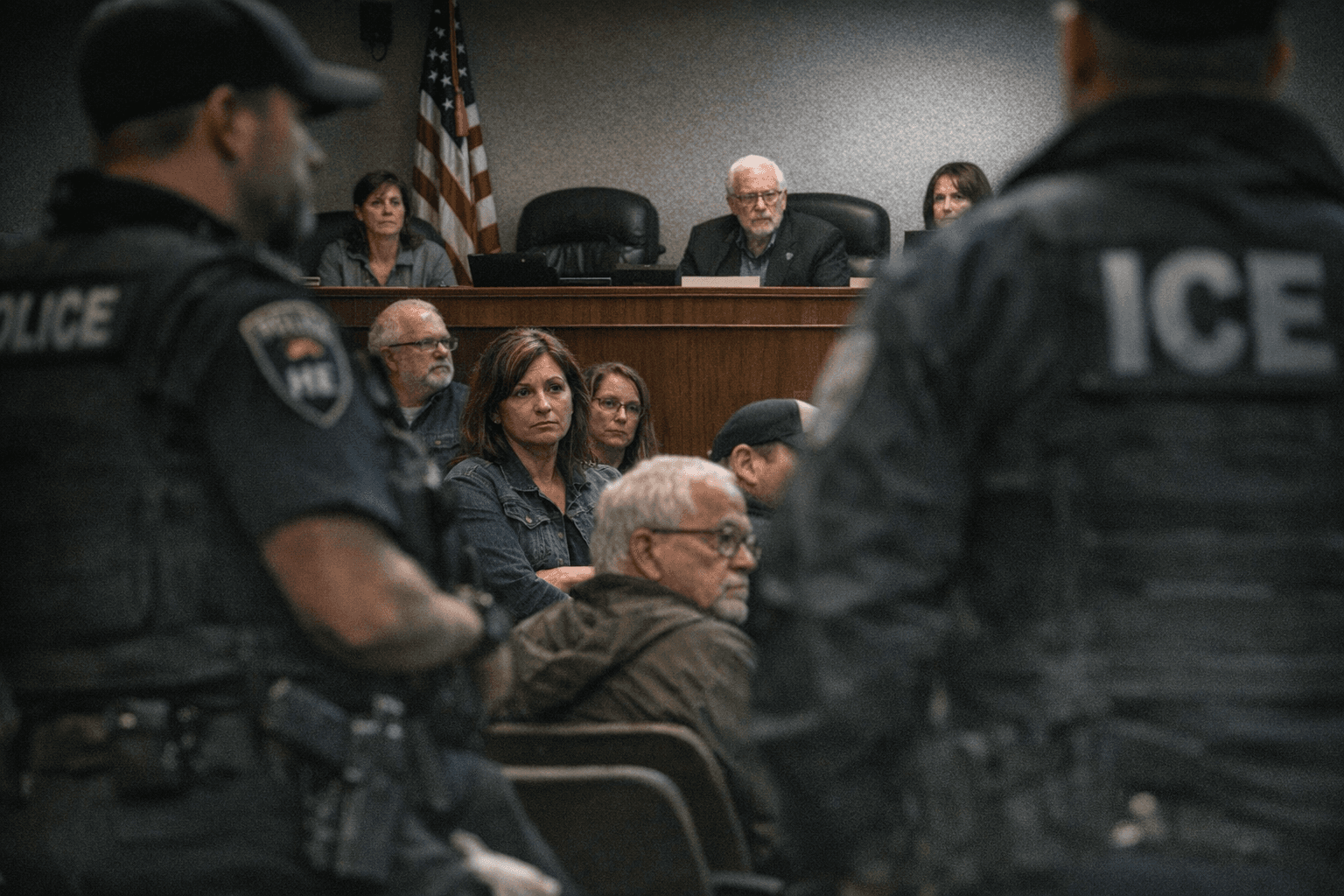
The practical effect for residents will depend on how the Helena Police Department implements the resolution and how it balances disclosure obligations under state and federal law. For immigrants and people concerned about interactions with law enforcement, the directive against sharing place of birth, immigration status or national origin offers a clearer local commitment to limit information-sharing except when compelled by law or court order. For law enforcement, the resolution highlights tensions between cooperating with federal partners and protecting community trust.
Other Montana cities are watching Helena’s approach as municipalities across the state weigh policies that address local-federal interaction on immigration enforcement. The commission’s vote leaves open questions about transparency and data collection that some residents sought at the meeting. The next steps for residents include monitoring Helena Police Department practices, following any future commission proposals to codify or expand reporting requirements, and tracking whether similar measures appear in neighboring jurisdictions.
Sources:
Know something we missed? Have a correction or additional information?
Submit a Tip