Helena Small Businesses Struggle to Compete With Big Chains and Online Retailers
Helena small businesses are losing customers to national chains and deep-discount online retailers, a shift that threatens downtown jobs and local storefronts.
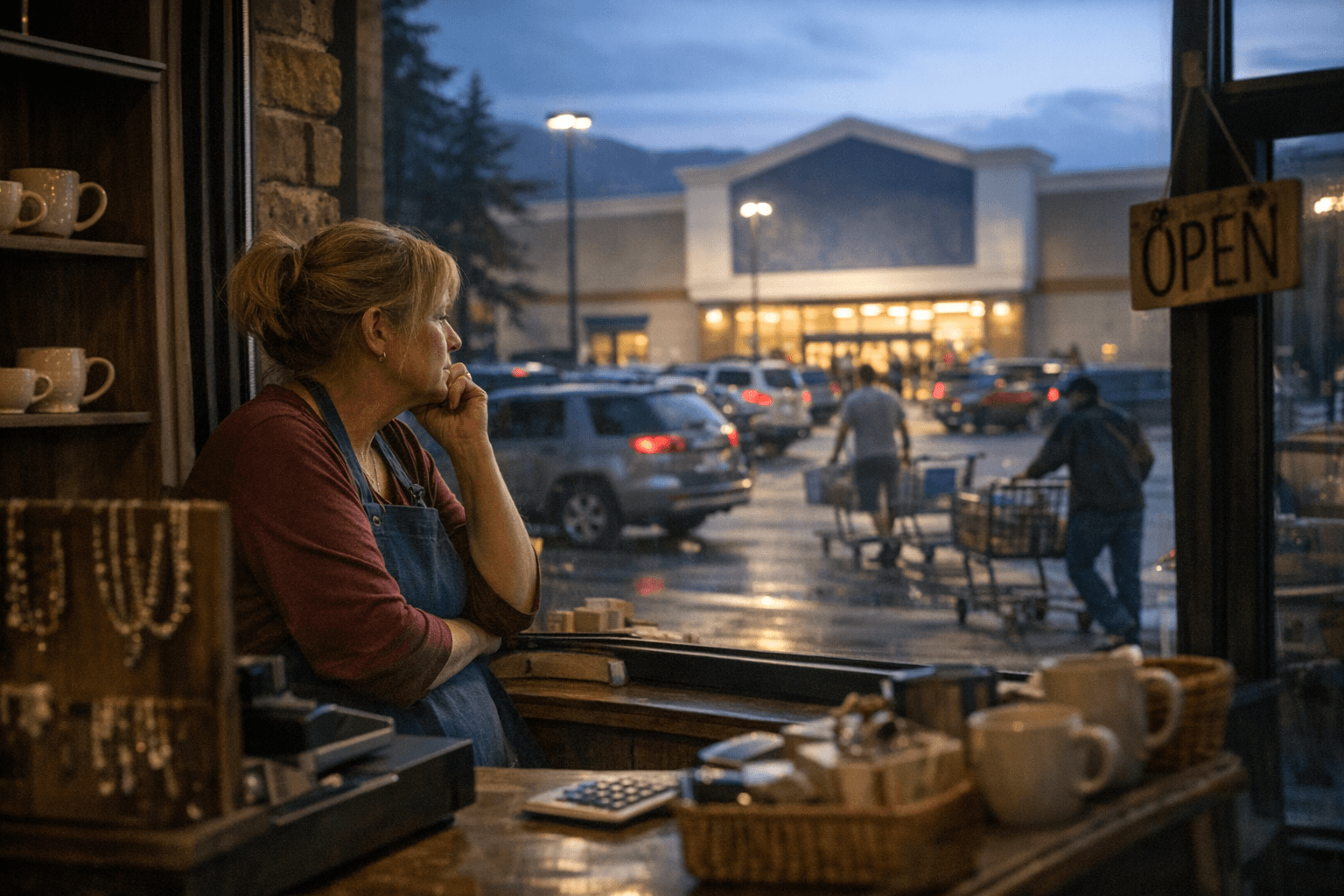
Helena’s independent shops and restaurants say they are struggling as shoppers gravitate toward national chains and cut-rate online marketplaces, a trend that threatens foot traffic on Last Chance Gulch and the downtown retail mix.
Owners describe a squeeze from larger companies that can deploy greater capital, undercut prices and offer conveniences small operations find hard to match. Mike Taylor, owner of Uphill Grill on Last Chance Gulch, pointed to long lines at fast-food franchises and a community reaction he did not expect when a new site for a third McDonald’s drew applause online. He said his restaurant “has a five-star rating online,” but added that convenience is drawing customers away. “Why couldn’t it be something local that goes in there? And everybody, most of the comments that I read on there, were excited that now that don’t have to drive across town to eat at the other McDonald's, now it’s right by the house,” Taylor said. “I’m blown away.”
The pressure extends beyond restaurants. Marty Burckhard, who ran The Original Stop clothing store for more than three years, said he was recently forced to close, and blamed part of the shift on pandemic-era habits and ultra-low-price online entrants. “I think once Covid happened, everybody got pretty comfortable shopping at home and it made it easy,” Burckhard said. “And all these different websites started coming in like Temu and you could buy something that’s normally $50 for $10. I think things like that have really affected the smaller, mom-and-pop shops. Because we can’t really compete with the prices that the bigger places can, or these websites can with a brick and mortar.”
Economically, the dynamics owners describe are familiar: chains benefit from scale, centralized logistics and marketing, while online marketplaces can advertise steep discounts and free shipping that undercut local margins. For Helena that means potential consequences for downtown vacancy, local payrolls and the character of commercial corridors such as Last Chance Gulch, where tourist foot traffic once buoyed many independent retailers and eateries.
Policy options to blunt those effects typically include targeted small-business assistance, façade and rental support, technical help to build e-commerce capacity, and buy-local campaigns that funnel more spending to neighborhood firms. Local leaders and business groups will face choices about whether to prioritize investment in downtown marketing, business retention programs, or infrastructure that makes it easier for small firms to reach customers online and off.
For Helena residents, the immediate impact is visible in closing storefronts and conversations about convenience versus locally made quality. As the market recalibrates after the pandemic and as national chains expand their footprint, community decisions about supporting independent businesses and shaping downtown zoning and incentives will determine whether Last Chance Gulch remains a place for locally owned shops and eateries or increasingly looks like every other commercial strip.
Sources:
Know something we missed? Have a correction or additional information?
Submit a Tip