Helium flow fault forces Artemis II rollback, likely shifting launch to April
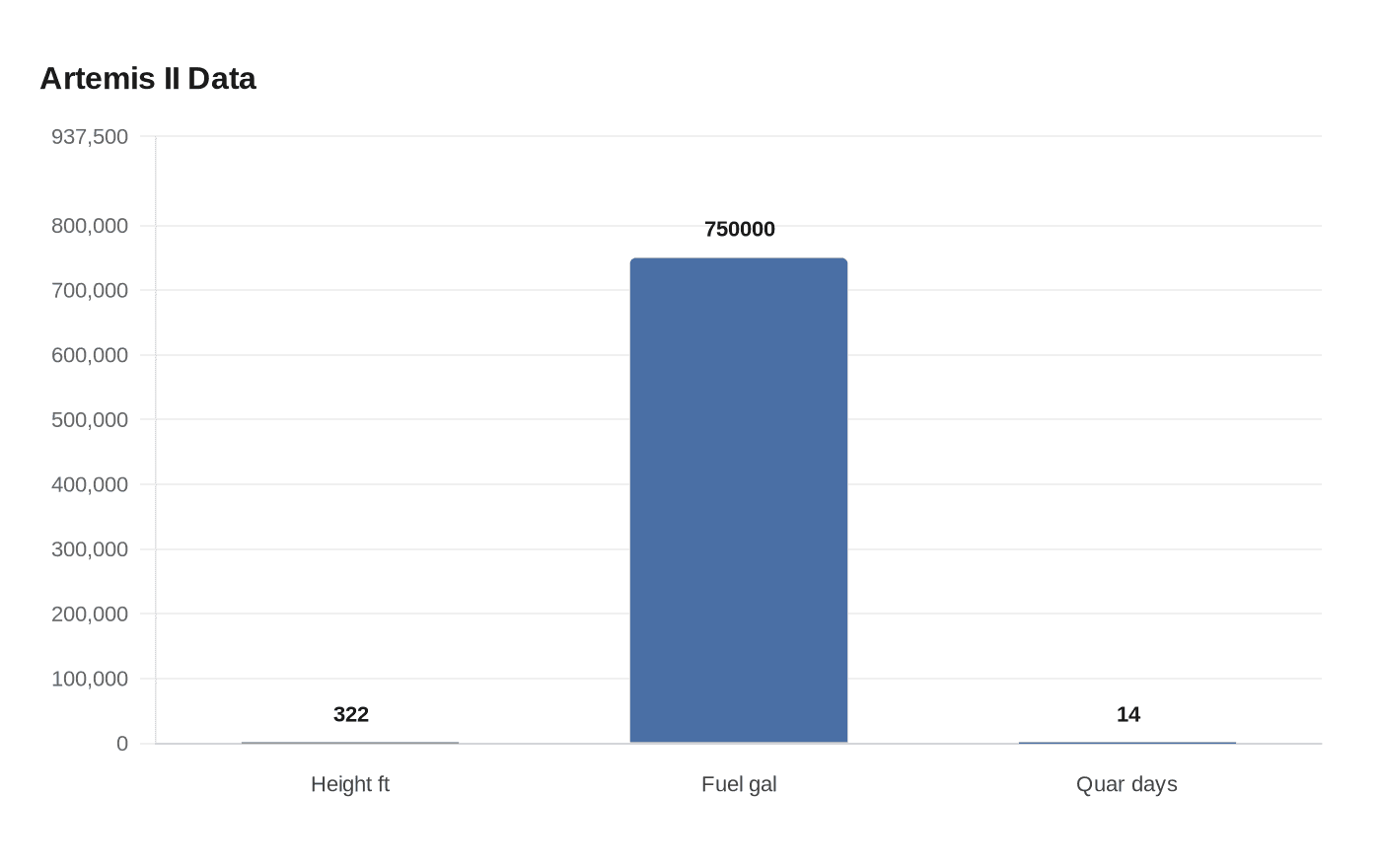
NASA detected an interrupted helium flow to the Artemis II upper stage, will roll the 322-foot rocket back to the VAB and take the March window out of consideration.

Engineers discovered an interruption in the flow of helium to the upper stage of NASA’s Space Launch System late Friday, prompting agency officials to prepare to roll the 322-foot rocket off the pad and back to the Vehicle Assembly Building for troubleshooting and repairs. NASA Administrator Jared Isaacman warned that the work will "take the March launch window out of consideration" and is likely to push the Artemis II flight into April.
The move follows a second fueling test on Thursday in which teams loaded the vehicle with more than 750,000 gallons of liquid oxygen and liquid hydrogen and managers had been targeting a March 6 liftoff. Agency officials said the recent countdown rehearsal largely went well and produced far fewer leaks than the earlier wet dress rehearsal that had already delayed the mission. Overnight testing, however, showed that helium was not repressurizing the rocket’s interim cryogenic propulsion stage as expected, a condition NASA said must be corrected before flight.
Pressurized helium is used to push propellants to engines for ignition and to purge fuel lines before propellant flow. The interim cryogenic propulsion stage is critical for placing the Orion crew capsule into the proper high-altitude orbit for checkout, and then separating to serve as a target for astronauts to practice future docking procedures. With helium flow interrupted, launch cannot proceed until the affected hardware is accessed and inspected.
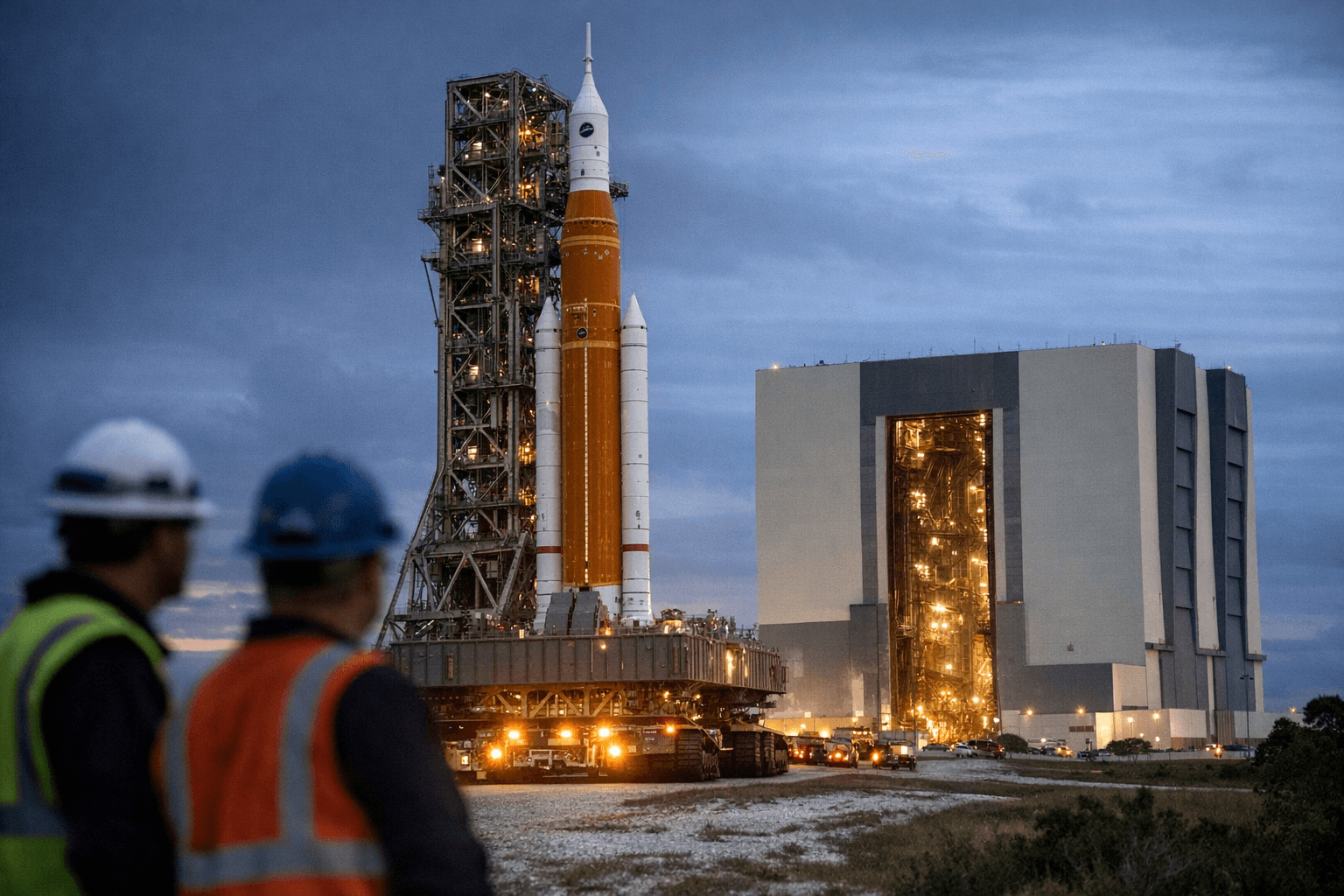
Isaacman said a specific failed component has not been confirmed but suggested "a bad filter, valve or connection plate could be to blame for the stalled helium flow." He added that "regardless of the potential fault, accessing and remediating any of these issues can only be performed in the VAB (Vehicle Assembly Building)." NASA will begin preparations for rollback, a logistical operation that will remove March from the schedule and leave the agency aiming at opportunities in April. Officials have described those April windows both as early April and as opportunities at the beginning or end of the month.
The crew for Artemis II, Reid Wiseman, Victor Glover, Christina Koch and Canadian astronaut Jeremy Hansen, entered a mandatory two-week quarantine Friday night to minimize illness risk. Agency leaders framed the delay as a technical setback felt keenly by the team. "I understand people are disappointed by this development," Isaacman said. "That disappointment is felt most by the team at NASA, who have been working tirelessly to prepare for this great endeavor."
Operationally, the rollback adds days to the ground campaign and shifts troubleshooting into a controlled hangar environment where engineers can open and inspect the upper stage. It also underscores recurring technical hurdles for the Artemis program: engineers have previously grappled with hydrogen and helium issues during prelaunch processing on Artemis flights, and the program has seen multiple schedule slips in recent years.
Beyond the immediate schedule impact, the setback has institutional consequences. A fresh rollback will extend the busy cadence at Kennedy Space Center, force additional coordination with international partners and contractors, and is likely to draw renewed oversight from lawmakers assessing schedule risk and program management. For the astronauts and mission planners, the change alters training and readiness timelines and stretches a campaign already affected by earlier fuel-leak work.
NASA officials say they will review data from the rehearsal and proceed with remediation planning; a definitive repair plan, final decision on pad versus hangar work and a firm April launch date had not been announced as agency teams began rollback preparations.
This article was produced by Prism’s automated news system from verified source data, official records, and press releases, then run through automated quality and moderation checks before publishing. The system is built and supervised by the people who set the standards it runs under. Read our full AI policy.
Did this article answer your question?

