Hezbollah demands Israeli withdrawal as Iran strikes ship in Hormuz
A ship attack near Oman hardened Iran’s leverage in the Strait of Hormuz as Hezbollah pressed for an Israeli pullout from southern Lebanon.
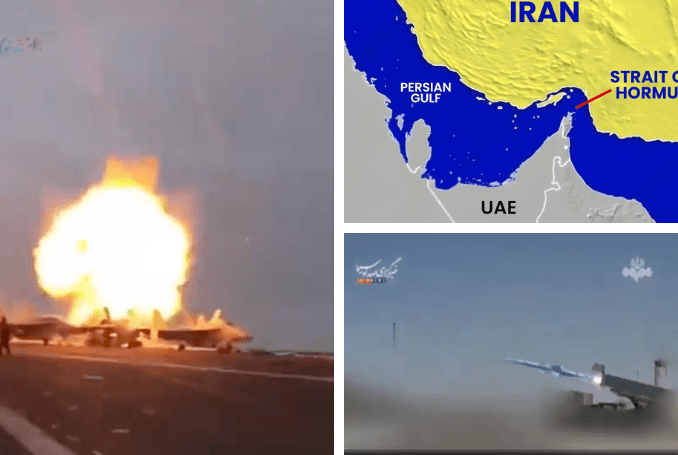
Iran reasserted its right to control shipping in the Strait of Hormuz on June 26 after an attack on a vessel near Oman, sharpening a wider standoff that now links Lebanon’s southern frontier to one of the world’s most important oil routes. The Strait of Hormuz typically carries about a fifth of global oil and liquefied natural gas supplies, so even a single attack has immediate consequences for shipping confidence and diplomatic pressure.
The International Maritime Organization paused a Gulf evacuation plan for stranded ships and seafarers after the vessel was hit in the Gulf of Oman, a move that underscored how fragile efforts to restore traffic through the strait remained. Shipping through the corridor was still below pre-war levels even after a partial recovery, and the latest attack raised fresh concern that insurers, operators and Gulf governments would again face higher risk and slower traffic.
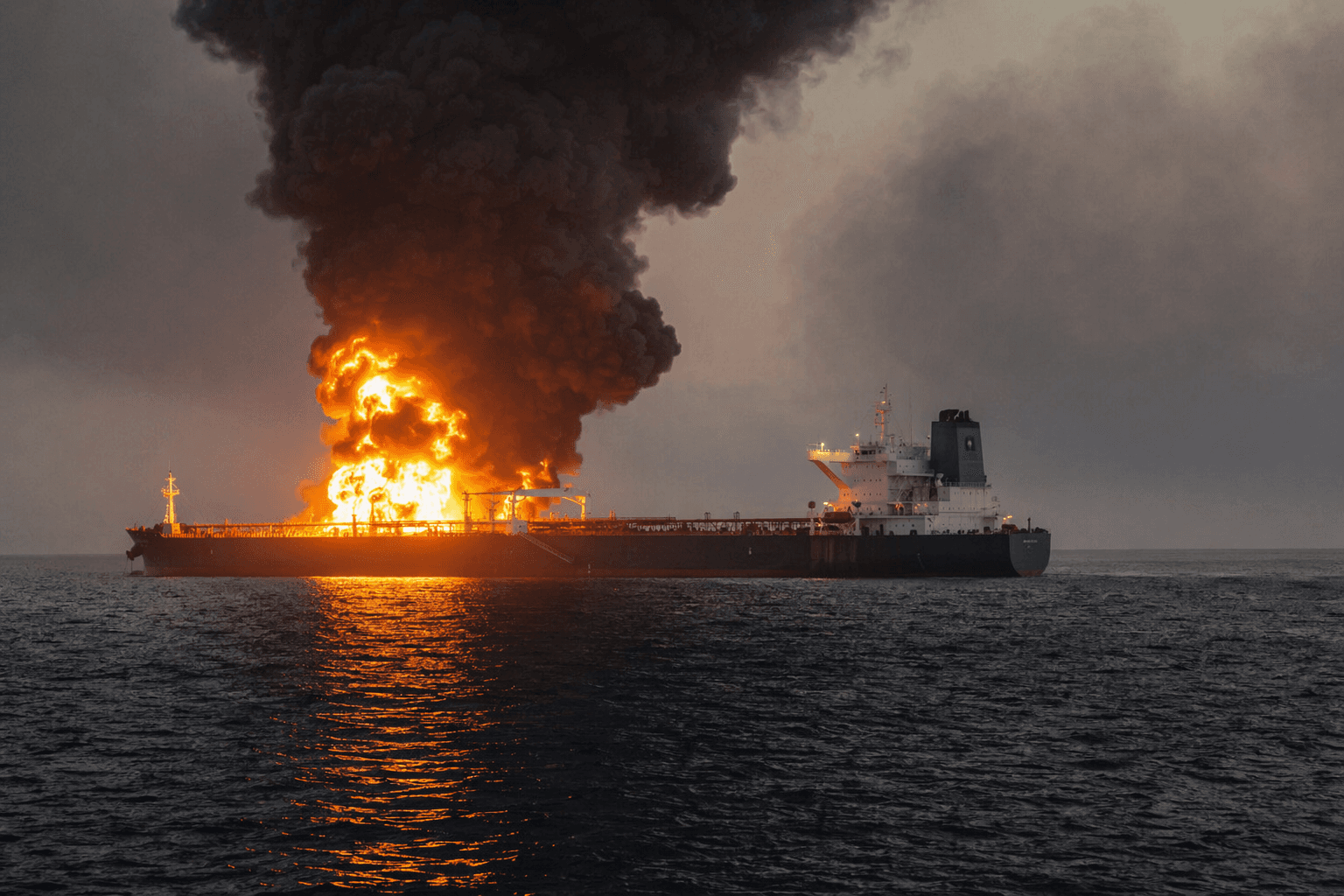
Iran’s foreign ministry said the U.S. military presence in the Gulf was the source of regional insecurity and argued the strait should be governed by Tehran and Oman under an interim arrangement. U.S. Secretary of State Marco Rubio warned that if Iran threatened or blocked ships in the strait, “we're going to have a problem.” The warning laid out the narrow space for diplomacy if Tehran chooses to press the chokepoint as leverage.
The pressure on maritime lanes is unfolding alongside a stalled Lebanon track. On June 4, Hezbollah rejected a U.S.-mediated ceasefire plan that had been agreed by the Lebanese and Israeli governments. Hezbollah leader Naim Qassem said the group was not party to the talks and demanded a complete Israeli withdrawal from southern Lebanon, while the United States said the deal would depend on Hezbollah ceasing fire and evacuating fighters from areas near the border. Israel said it would not withdraw from southern Lebanon and would continue operations there.
Iran quickly backed Hezbollah’s position. On June 5, Foreign Minister Abbas Araqchi said the war would end only if Israeli forces withdrew from occupied Lebanese territory, and he said a ceasefire between Israel and Hezbollah was a condition for any peace deal with Washington. That left the dispute over southern Lebanon tied directly to broader U.S.-Iran diplomacy, with Israel still holding its self-declared security zone in the south and Hezbollah insisting that any durable settlement must include a full withdrawal and an end to strikes in Lebanon.
This article was produced by Prism’s automated news system from verified source data, official records, and press releases, then run through automated quality and moderation checks before publishing. The system is built and supervised by the people who set the standards it runs under. Read our full AI policy.
Know something we missed? Have a correction or additional information?
Submit a Tip