Hezbollah drone strikes hit Israeli soldiers amid fragile Lebanon ceasefire
Hezbollah drone strikes on Israeli soldiers exposed how the U.S.-brokered truce is holding only imperfectly, even as Lebanon’s death toll climbed past 2,500.

Hezbollah’s drone strikes on Israeli soldiers underscored how fragile the Lebanon ceasefire remained, even after Washington pushed to extend the truce and slow a war that has not stopped, only changed shape. The fighting has tested whether the U.S.-brokered arrangement can contain the conflict or merely pause it.
The ceasefire began on April 16 as a 10-day halt to hostilities and was extended for three more weeks on April 24 after direct talks in Washington. Since then, cross-border attacks have fallen sharply but not disappeared. Israeli forces have continued to operate in a southern Lebanese strip that they describe as a buffer zone, while Israel has kept carrying out strikes in southern Lebanon.
The latest escalation comes against a mounting human toll. The United Nations Office for the Coordination of Humanitarian Affairs said that as of April 16, at least 2,196 people had been killed in Lebanon and 7,185 injured since March 2. Lebanon’s Health Ministry later raised the toll to 2,521 dead and 7,804 wounded by April 27. UN human rights officials have warned that attacks on civilians and residential buildings in Lebanon and Israel may amount to serious violations of international humanitarian law.
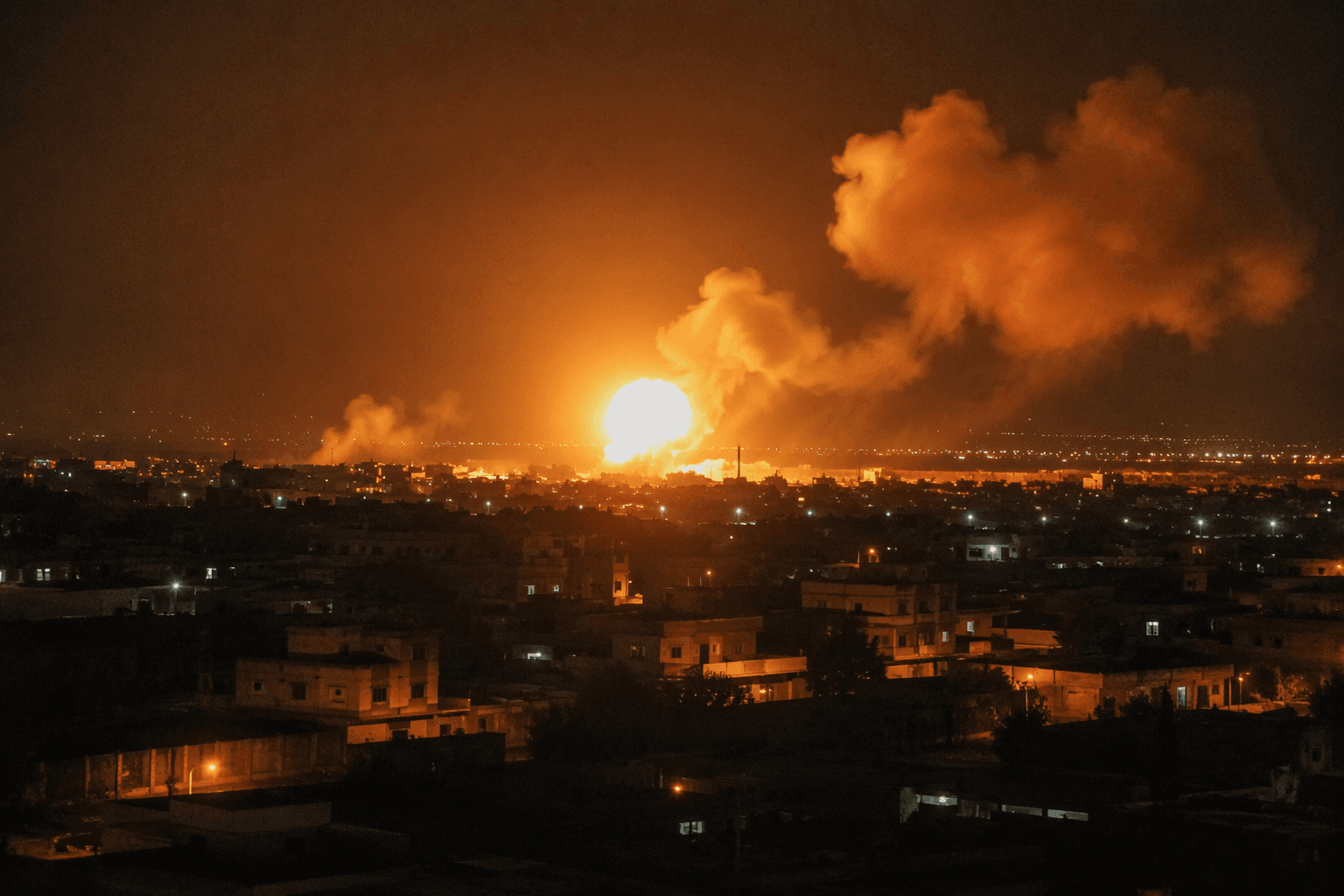
The ceasefire has not stopped Israeli strikes from widening beyond the south. Reuters reported on April 27 that Israeli strikes hit eastern Lebanon’s Bekaa Valley, the first such attacks there since the truce began. A day later, two successive Israeli strikes on a building in the southern town of Majdal Zoun killed five people, including three rescuers who had gone in to help those wounded in the first strike.

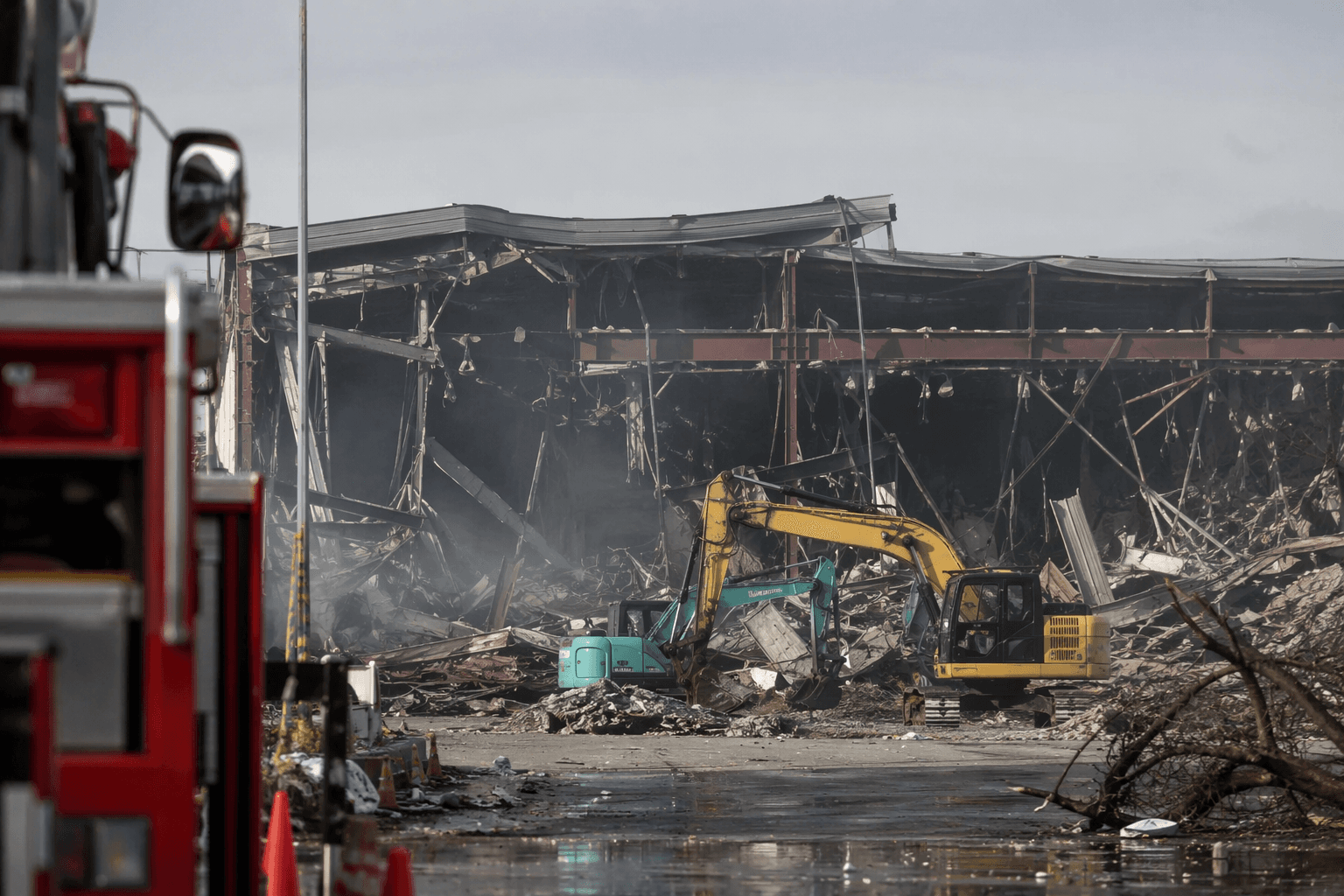
That pattern has deepened concern over civilian protection. UN agencies said after the April 8 escalation that some casualties were still believed to be under rubble, while ambulances and hospitals in the south faced new threats. Humanitarian officials also warned of looming food shortages in southern Lebanon, where repeated strikes have damaged civilian infrastructure and strained emergency responders.
Hezbollah has rejected the political value of the ceasefire, calling it “meaningless” and saying it would keep responding to what it calls Israeli violations. With drone strikes, artillery fire and cross-border raids still echoing along the frontier, the accord now looks less like a settlement than a temporary brake on a wider war.
This article was produced by Prism’s automated news system from verified source data, official records, and press releases, then run through automated quality and moderation checks before publishing. The system is built and supervised by the people who set the standards it runs under. Read our full AI policy.
Did this article answer your question?