High Arsenic Detected in Pelican Lake Area Wells, Board Considers Action
A drinking water study presented to the Pelican district board on December 11 found that roughly 72 percent of sampled private wells in the Pelican Lake district showed measurable arsenic at levels of local concern. Board members discussed coordinated water treatment, expanded testing and outreach, and funding and timeline questions to address a potential long term public health risk for nearby residents.
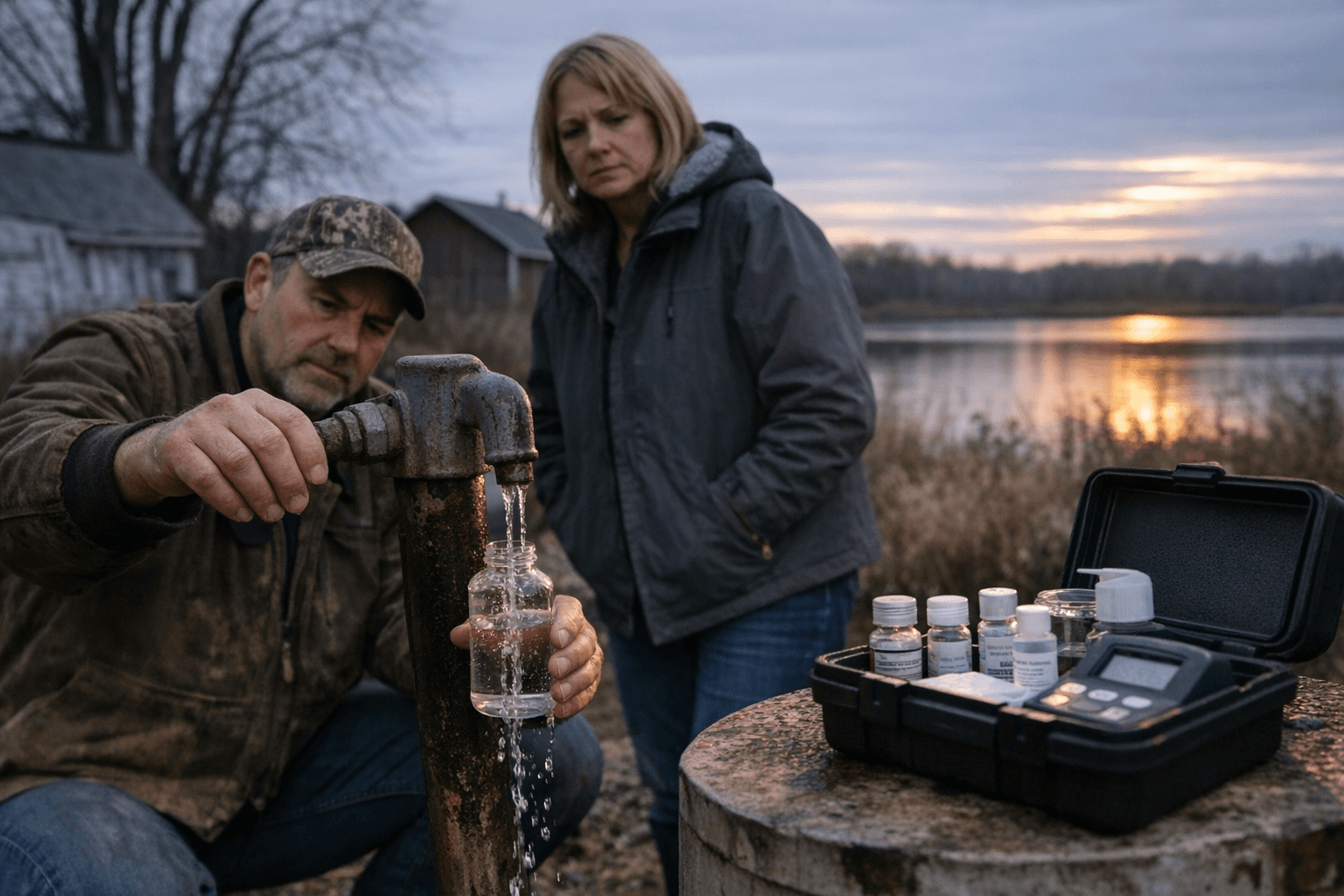
The Pelican district board heard a troubling update on December 11 when a recent drinking water study revealed widespread arsenic detections in private wells around Pelican Lake. According to the study reviewed by the board, roughly 72 percent of sampled wells in the lake district had measurable arsenic at levels of local concern. The finding prompted immediate discussion of solutions that could reduce long term exposure for residents who rely on private wells for household water.
Board members and community stakeholders considered a range of responses, including coordinated water treatment options, more extensive testing of wells across the district, and outreach to well owners about testing and treatment choices. Conversations at the meeting also focused on funding, timelines, and whether a shared or centralized treatment approach would be necessary to protect public health in the lake district. No final decision was reported at the meeting.
Arsenic is a known toxicant with well documented long term health effects when people are repeatedly exposed through drinking water. Chronic exposure is associated with increased risk of certain cancers, cardiovascular disease, and developmental concerns for children. Private well users are often responsible for testing and treating their own water, which can create gaps in detection and unequal protection across a community.
The study's findings carry particular local significance because private wells around Pelican Lake serve year round households and seasonal properties alike. For residents with limited income or those living on fixed budgets, the cost of testing and installing water treatment can be a barrier. A coordinated district level response could reduce that burden and promote more equitable protection, but it would require clear plans for financing, governance, and long term maintenance.
Moving forward, the board signaled interest in further testing and community outreach to better map the scope of contamination and to identify vulnerable households. The decisions will influence whether Otter Tail County lake area residents face long term exposure risks or benefit from collective interventions that lower those risks. Health officials recommend that private well users test their water and consult local or state health resources to learn about treatment options and financial assistance programs.
Sources:
Know something we missed? Have a correction or additional information?
Submit a Tip
