High Court Upholds UK Oil Exploration Licences, Cites Further Assessments
Britain’s High Court dismissed a legal challenge to a 2024 decision to grant more than two dozen oil and gas exploration licences, a ruling that clears a key procedural hurdle for upstream activity while reinforcing environmental review requirements before any production. The judgment matters for investors, consumers and policymakers because it clarifies the legal boundary between exploration approvals and the tougher tests that will govern later production decisions and climate compliance.
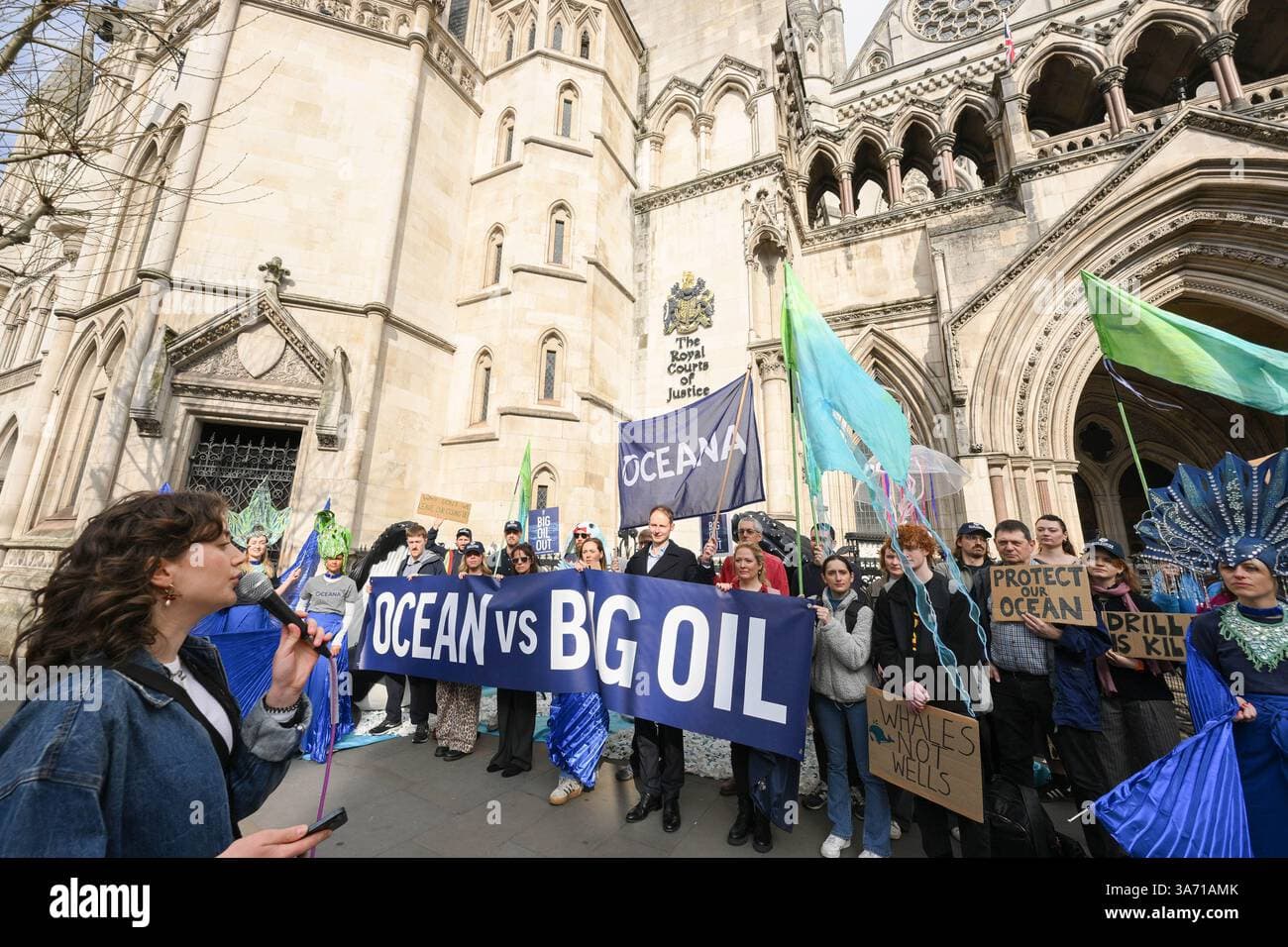
Britain’s High Court on November 28 rejected a legal challenge to the government’s 2024 decision to issue more than two dozen exploration licences for oil and gas, concluding the licensing process was lawful while underscoring that additional environmental impact assessments will be required before any move to production. Environmental campaigners had argued the government failed to take adequate account of climate impacts when granting the licences, but the court found the exploratory authorisations did not bypass statutory safeguards that apply at later stages.
The ruling separates two discrete stages in the life cycle of a hydrocarbon project. Exploration licences give companies the right to search for resources and undertake seismic or drilling surveys, but they do not entitle firms to extract oil or gas without further consents and regulatory checks. The court emphasised that development approvals will trigger robust environmental impact assessments and planning decisions, which must take account of climate targets and local environmental effects.
The decision has immediate market implications. For upstream companies, the judgment reduces legal uncertainty surrounding exploration rights in the North Sea and nearby basins, potentially encouraging investment in seismic campaigns and early stage drilling. It also leaves open the tougher economic calculus that governs development. Exploration is costly and risky, and any discovery will still face scrutiny under the Climate Change Act commitments that require the United Kingdom to reach net zero greenhouse gas emissions by 2050 and to meet legally binding interim carbon budgets.
Policymakers face a nuanced trade off. Ministers have argued that domestic hydrocarbon supplies can bolster energy security and reduce exposure to volatile global gas markets, a theme that gained political salience during the 2022 energy shock after Russia invaded Ukraine. Critics counter that expanding exploration is inconsistent with statutory climate obligations and the long term need to scale renewable energy and efficiency measures. The court’s ruling effectively instructs the executive to keep both objectives in view, by allowing early stage activity while insisting on full environmental appraisal prior to production.

Analysts say the practical impact will depend on what companies find and how regulators interpret climate tests during development approvals. If discoveries are modest or commercially marginal, firms may shelve projects rather than face high compliance costs and carbon constraints. If larger finds emerge, they will prompt a sharper policy debate over the role of domestically sourced hydrocarbons in a decarbonising economy.
The ruling also highlights the growing role of litigation as a channel for climate policy disputes. Courts across Europe and beyond have been asked to decide whether governments have adequately considered climate risks when licensing fossil fuel activity, and judges are increasingly carving out space for environmental assessment without substituting their judgment for policy choices.
For now the government retains the authority to pursue exploration, but any path to new domestic production will run through environmental impact assessments and planning processes that must grapple with the United Kingdom’s climate commitments and the economic realities of a shifting global energy landscape.
This article was produced by Prism’s automated news system from verified source data, official records, and press releases, then run through automated quality and moderation checks before publishing. The system is built and supervised by the people who set the standards it runs under. Read our full AI policy.
Did this article answer your question?

