High-intensity AI adopters are hiring more, including entry-level workers
The firms using AI most aggressively added 10.2% more workers, and entry-level headcount rose 12%. That cuts against the idea that AI is killing junior jobs.
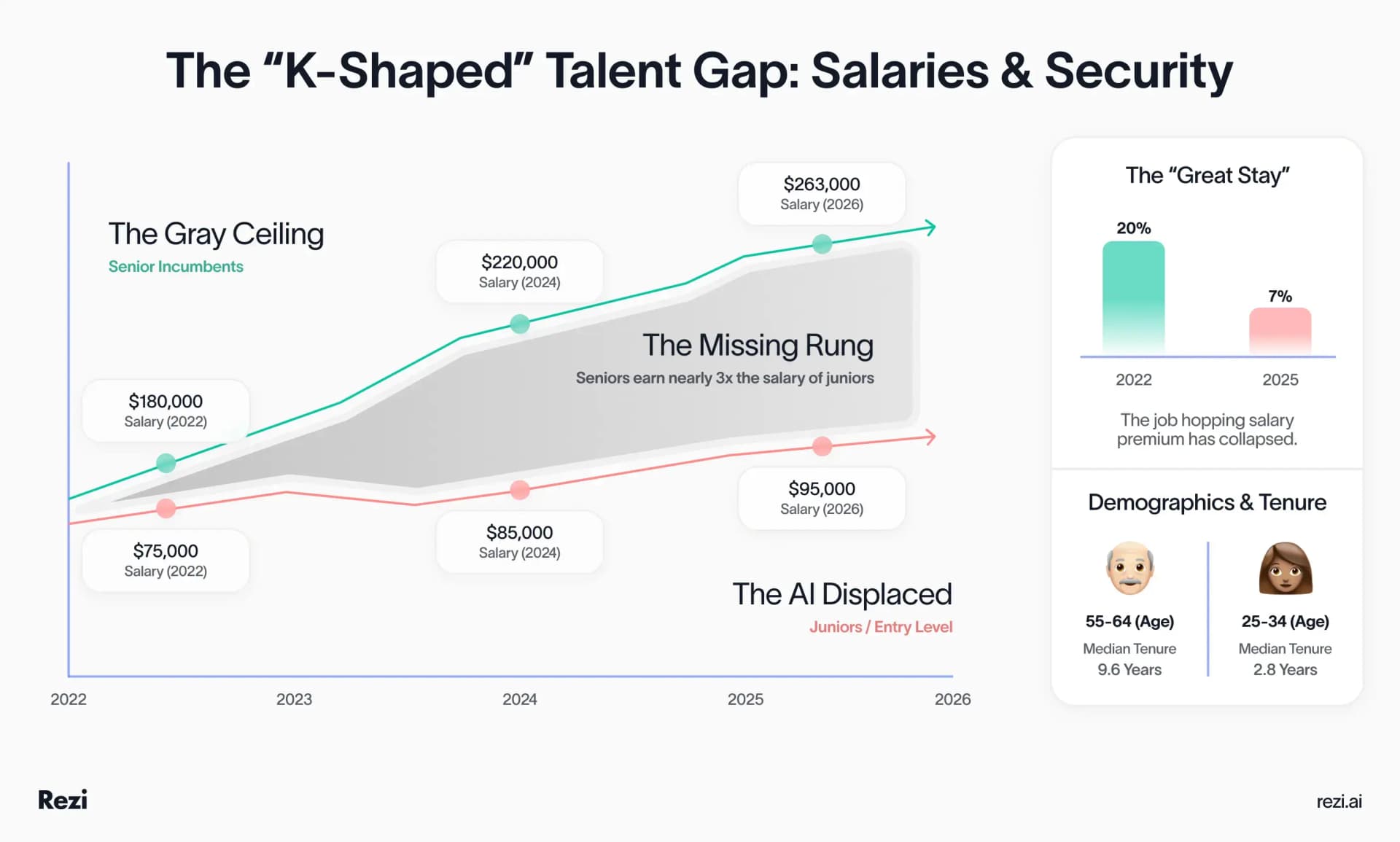
High-intensity AI adopters increased headcount 10.2%, and entry-level headcount rose 12% inside those companies. The numbers cut against the broad claim that AI is mainly wiping out junior work, but they also show the gains are uneven and concentrated.
A U.S. Census Bureau working paper, CES 26-25, dated April 2026, used the 2026 AI supplement to the Business Trends and Outlook Survey to map how fast AI was spreading through firms. During the Nov. 2025 to Jan. 2026 reference period, 18% of firms used AI in a business function, while the share rose to 32% on an employment-weighted basis, a sign that larger employers were doing much of the adopting. The paper projects that adoption will reach 22% within six months, and it found AI-related employment decreases in only 2% of firms.

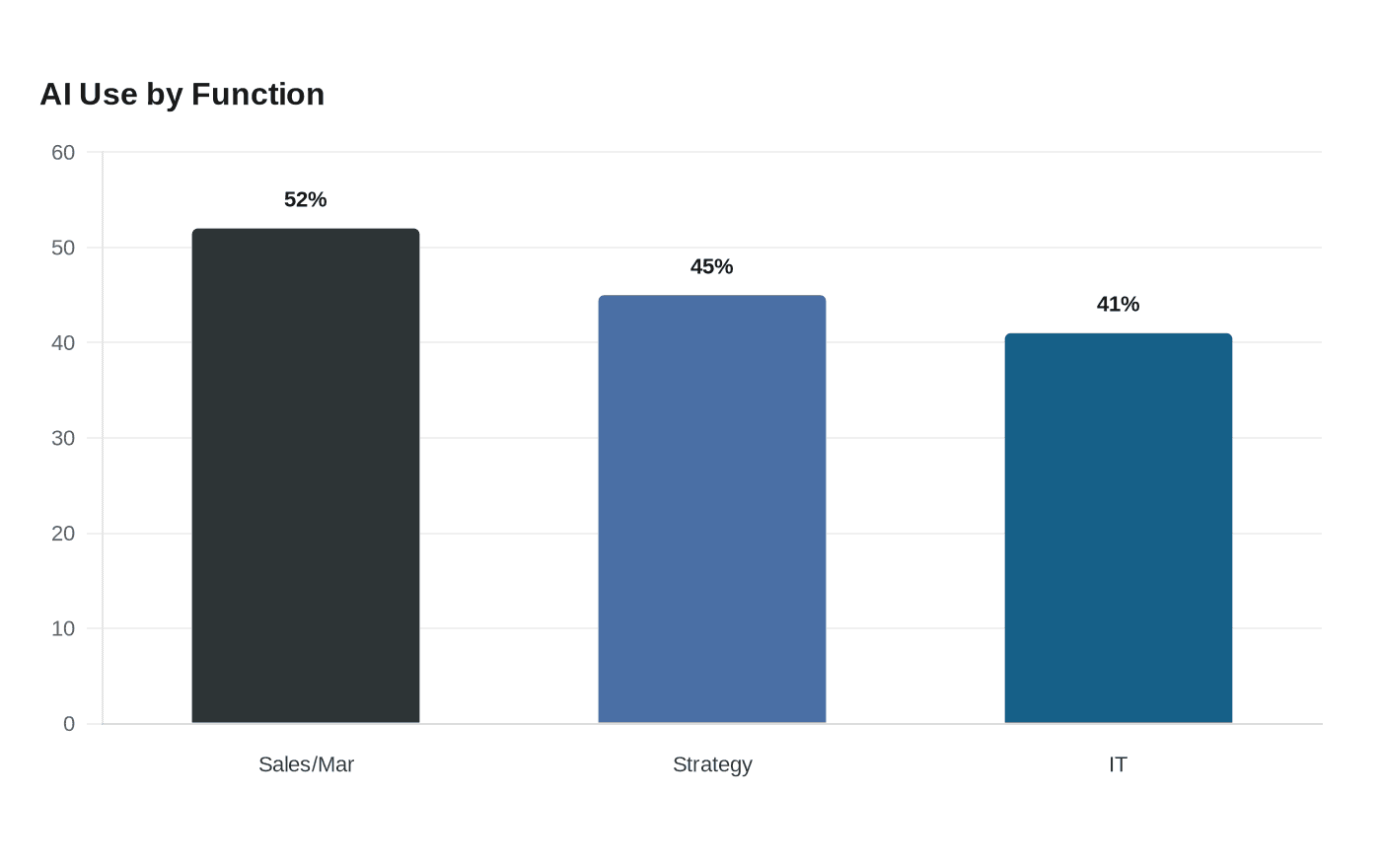
The Census data also show that most adoption remained narrow. Among firms using AI, 57% had integrated it in three or fewer business functions. Sales and Marketing was the most common use, at 52%, followed by Strategy and Business Development at 45% and IT at 41%. AI use was far higher in large firms and knowledge-intensive sectors, reaching 50% to 60% of firms in Information, Professional Services and Finance. That concentration matters: the biggest gains are showing up where companies already have the data, infrastructure and management systems to absorb new tools quickly.
PwC’s 2025 Global AI Jobs Barometer points in the same direction, but with a clearer warning about inequality inside the labor market. It found that industries best positioned to adopt AI were posting 3 times higher growth in revenue generated per employee. It also found that wages and job numbers were still growing in virtually every AI-exposed occupation, even as skills sought by employers were changing 66% faster in the most exposed jobs. Workers with AI skills such as prompt engineering commanded a 56% wage premium, widening the gap between employees who can work with the technology and those still being trained into it.
Taken together, the evidence suggests AI is changing junior work more than eliminating it outright. The strongest adoption is clustered in a small share of firms and sectors, the most common use cases are still limited to a few business functions, and the labor market effects so far look more like reorganization than collapse.
This article was produced by Prism’s automated news system from verified source data, official records, and press releases, then run through automated quality and moderation checks before publishing. The system is built and supervised by the people who set the standards it runs under. Read our full AI policy.
Did this article answer your question?