High surf advisory extended for east-facing Hawaiʻi Island; 7–10-foot waves
High surf advisory extended for east-facing Big Island shores as strong trade winds and an east swell produce large breaking waves of 7–10 ft, creating hazardous conditions for swimmers and small craft.
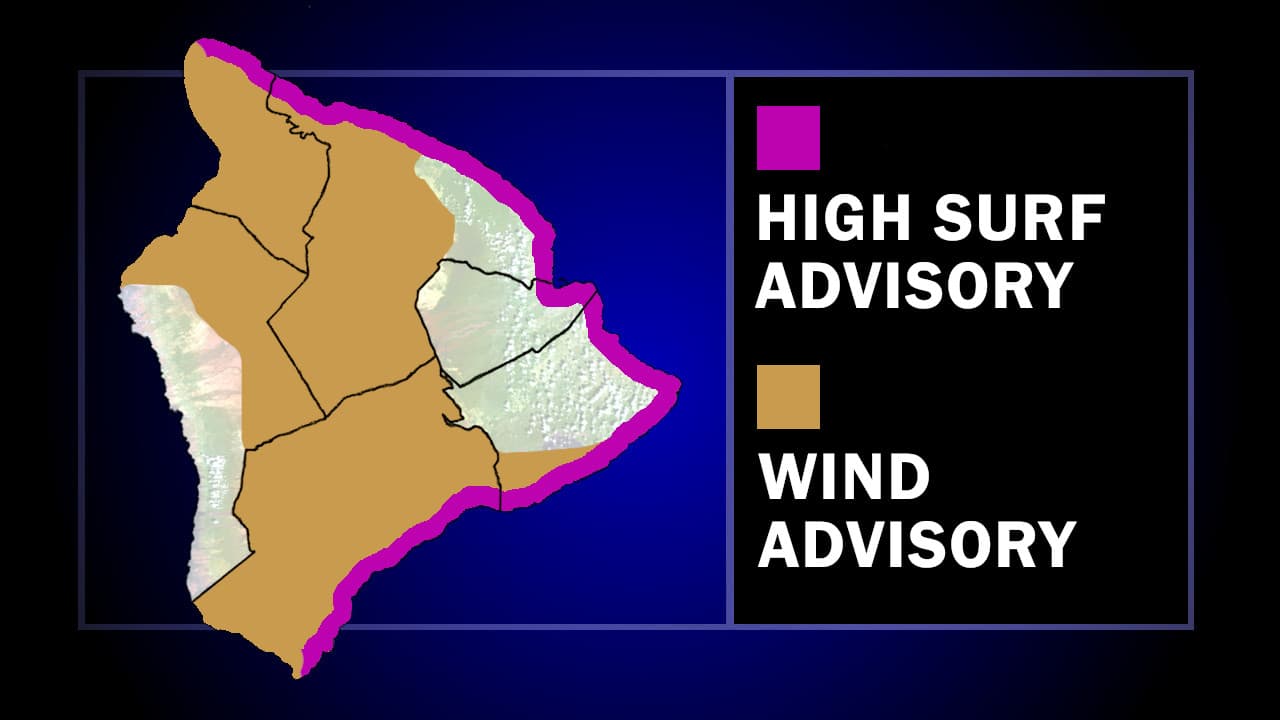
National Weather Service forecasters in Honolulu extended a high surf advisory for east-facing shores of Hawaiʻi Island into Feb. 11, keeping coastal communities on alert across North Hawaiʻi down to Kaʻū. An early-morning update at 3:33 a.m. HST on Feb. 11 said, "A high surf advisory for east-facing shores of the Big Island will remain in effect until 6 p.m. today (Feb. 11) after National Weather Service forecasters in Honolulu extended the advisory early this morning."
The advisory reflects a multi-day episode that began with a higher-level warning for multiple islands. A High Surf Warning issued Feb. 9 called for "Dangerously large breaking waves of 10 to 15 feet" on east-facing shores of Kauai, Oahu, Molokai, Maui, Kahoolawe, and the Big Island. By early Feb. 10 the Big Island’s designation was downgraded to an advisory; Big Island Now reported, "National Weather Service forecasters in Honolulu issued a high surf advisory for eastern shorelines of the Big Island until 6 a.m. Wednesday (Feb. 11). It replaces a previously issued high surf warning." Forecasts have tracked a falling trend in wave heights from the warning peak: Big Island Now’s Feb. 10 post expected "Surf of 8 to 12 feet," while the Feb. 11 update put expected breaking waves at "7 to 10 feet."
Strong trade winds and a large east swell have driven the surge in east-shore surf. The Feb. 11 update warned that "Strong trade winds continue to produce high surf along eastern shorelines from North Hawai’i to Kaʻū." Local surf and tide reporting for Kona and Kawaihae shows variable winds, reports include "Wind is SE 10-20" and "Wind is N 10-15" at different spots, and tide tables list Kona low tides around 0.5 feet with highs near 1.0 feet in daytime windows, and Kawaihae highs below 1.0 feet. The NWS surf-zone forecast from Feb. 7 documented the evolving pattern, noting that "East shore surf should rise above the High Surf Advisory threshold" before slowly declining later in the week.

The practical impacts are immediate for beachgoers, ocean recreation businesses, and harbor traffic. Officials emphasized public safety: "The public should continue to heed all advice from ocean safety officials. Again: when in doubt, don’t go out." Earlier multi-island guidance cautioned that "Waves breaking in channel entrances may make navigating the channels dangerous" and advised mariners to "Postpone entering or leaving channels affected by the high surf until the surf subsides." For operators of surf schools, charter and fishing vessels, and beachfront vendors, elevated surf and strong currents raise cancellation and liability risks, and can compress peak visitor activity into a shorter safe window, with knock-on effects for local revenue in an island economy that depends heavily on coastal tourism.
Forecasts show winds easing and surf declining through Feb. 11; the update noted, "Winds will be on the decrease today, however, with surf heights expected to be just below advisory levels by later today." For now, lifeguards and ocean safety officials remain the best local barometers of risk. Residents and visitors should follow postings at beaches from North Hawaiʻi to Kaʻū, heed channel and harbor advisories, and plan for reduced ocean access and potential disruptions to coastal businesses until conditions normalize.
Know something we missed? Have a correction or additional information?
Submit a Tip