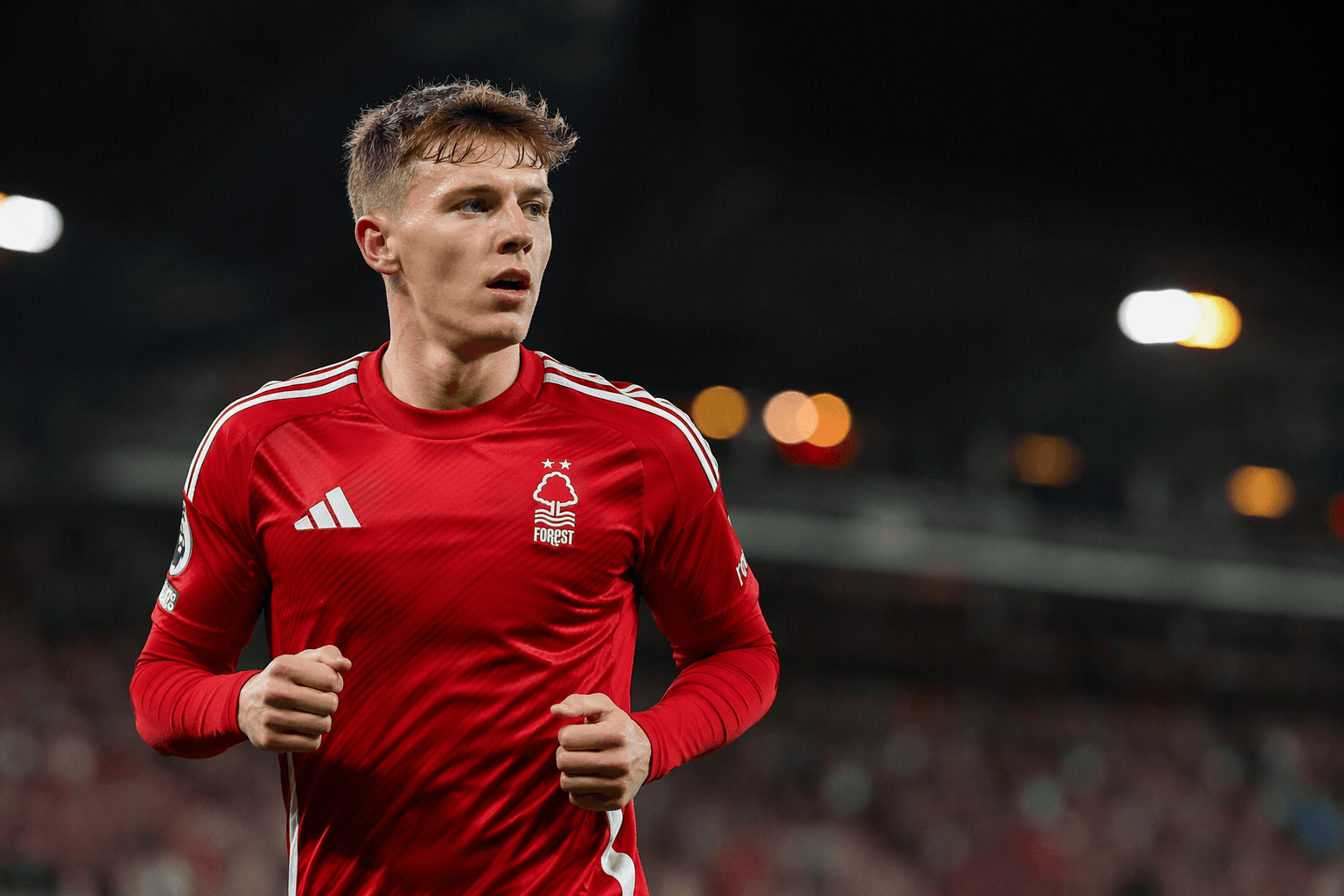
Hincapié links Ecuador's World Cup identity to unity and diaspora
Piero Hincapié put Ecuador’s World Cup identity at the center of the story, linking unity, garra and a diaspora of millions to a team built on Esmeraldas roots.

Piero Hincapié turned Ecuador’s World Cup build-up into more than a football storyline. The defender’s message centered on unity, the grit that has long defined La Tri, and the obligation to carry the pride of millions of Ecuadorians at home and abroad into the 2026 tournament.
That sense of national identity matters because Ecuador arrives at the World Cup as a team with a clear self-image. It is set for its fifth World Cup appearance and its second in a row after Qatar 2022, with Sebastián Beccacece in charge and a Group E that includes Côte d’Ivoire, Curaçao and Germany. Ecuador’s best World Cup finish remains the round of 16 in Germany in 2006, a benchmark that still shapes expectations for a program trying to move from qualification success to deeper tournament relevance.
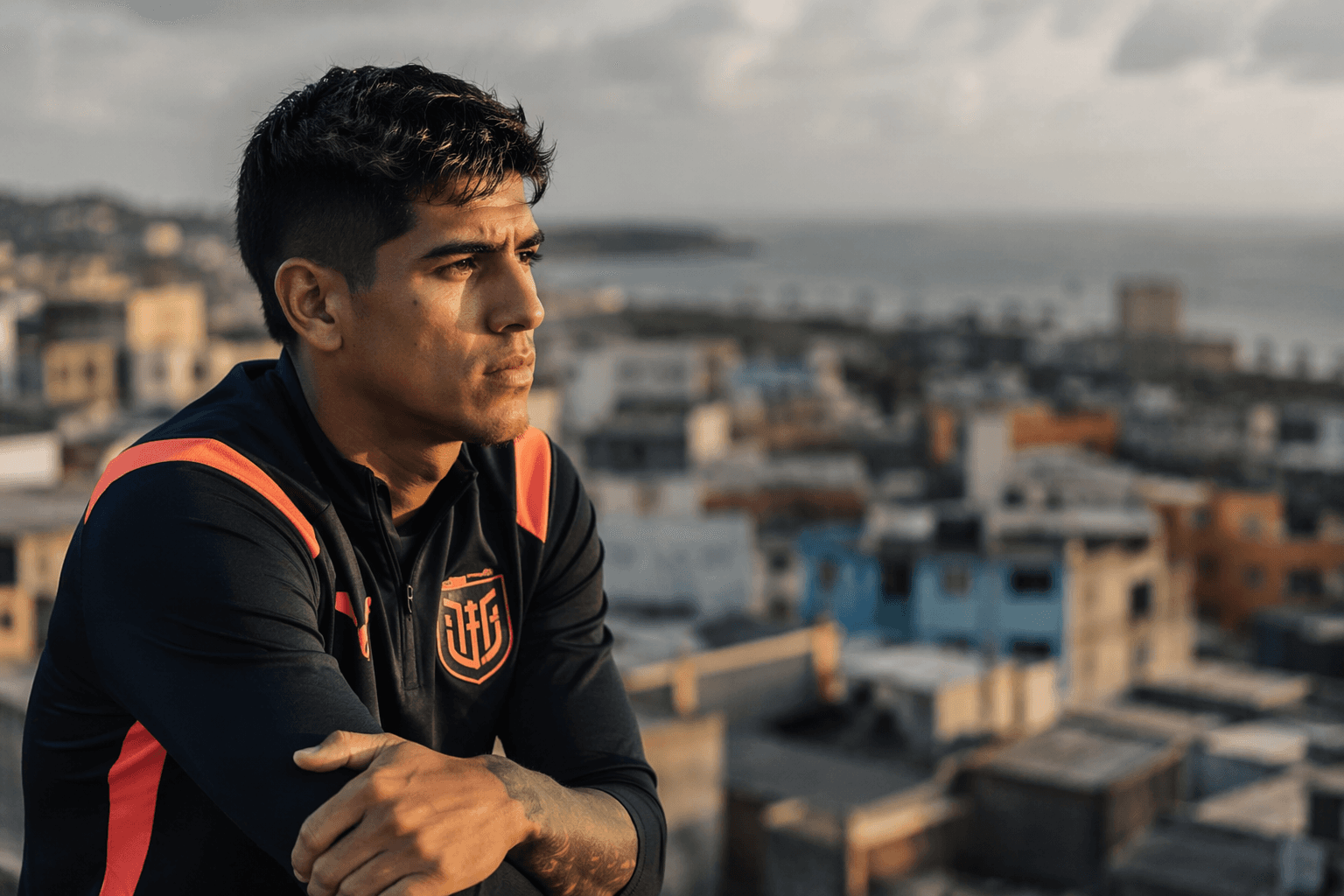
The numbers behind the run to North America underline why Hincapié’s emphasis on cohesion resonates. Ecuador finished second in South American qualifying with 29 points despite starting with a three-point deduction, and did so with only one loss under Beccacece. That record gave the squad a harder edge and reinforced a style built around defensive discipline, collective effort and the kind of emotional commitment Ecuadorians often describe as garra. In World Cup terms, that means a team that expects to stay compact, compete for every second ball and lean on trust as much as talent.
Hincapié is part of the core that gives that identity shape. He and fellow defender Willian Pacho both come from Esmeraldas, joined Ecuador’s World Cup preparations on June 1, and were both members of Independiente del Valle’s 2020 CONMEBOL Libertadores Sub-20 title team. FIFA also highlighted their rise through elite European football, with Hincapié and Pacho featuring around the 2025/26 UEFA Champions League final for Arsenal and Paris Saint-Germain, respectively. Around them, Ecuador can also count on Moisés Caicedo and Enner Valencia, who enters his third World Cup as the country’s all-time leading scorer in the tournament with six goals.
For Ecuador, that mix of homegrown roots, European experience and a shared sense of purpose is the point. Hincapié’s message made clear that the team sees itself not just as a roster of players, but as a national symbol carrying the hopes of a country and its diaspora onto the sport’s biggest stage.
This article was produced by Prism’s automated news system from verified source data, official records, and press releases, then run through automated quality and moderation checks before publishing. The system is built and supervised by the people who set the standards it runs under. Read our full AI policy.
Did this article answer your question?
.jpg&w=1920&q=75)