Hiroshima and Nagasaki: World marks 80 years since US …
Aug 5, 2025 · As the world marks the 80th anniversary of the first use of a nuclear weapon, on the Japanese city of Hiroshima near the end of World War II, the planet is closer to seeing them …
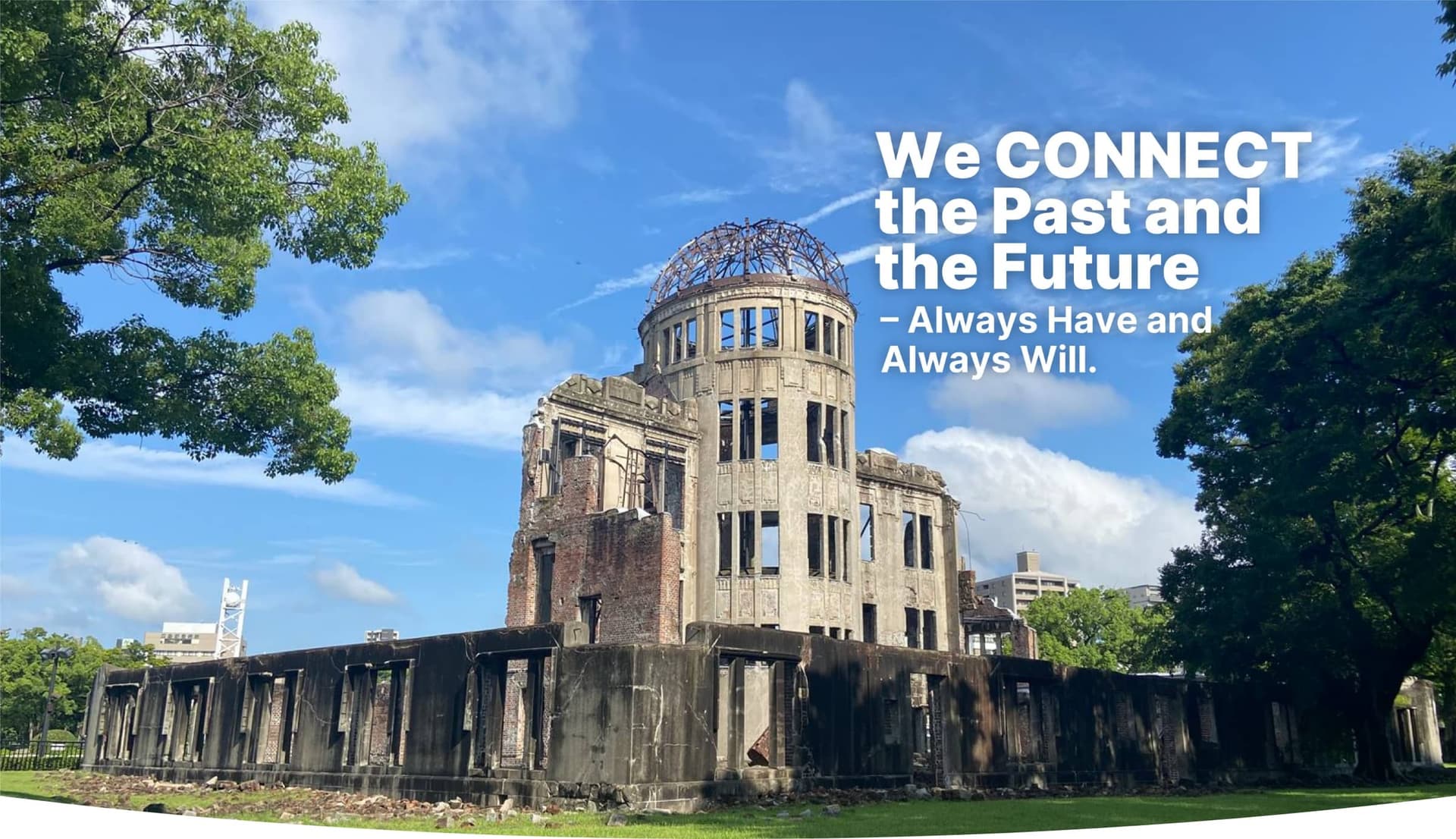
On August 5, 2025, the world pauses to remember a pivotal moment in history, the 80th anniversary of the atomic bombings of Hiroshima and Nagasaki. These bombings, which occurred on August 6 and August 9, 1945, respectively, marked the first and only use of nuclear weapons in warfare, leading to the immediate deaths of over 100,000 people and long-term suffering for countless others.
The city of Hiroshima, along with survivors known as hibakusha, hosted an international memorial event, drawing dignitaries and peace advocates from around the globe. Japanese Prime Minister Yukiko Tanaka delivered a poignant speech emphasizing the importance of peace and the destructive power of nuclear arms. "We must not forget the lessons of Hiroshima and Nagasaki," she urged, "especially as the world faces new nuclear threats."
These commemorations come at a time of heightened global tension regarding nuclear proliferation. According to a recent report by the Stockholm International Peace Research Institute (SIPRI), there are currently over 13,000 nuclear weapons worldwide, with significant arsenals held by the United States, Russia, and China. Despite a post-Cold War reduction in nuclear stockpiles, recent years have seen an alarming trend toward modernization and expansion of nuclear capabilities.
The geopolitical landscape has become increasingly fraught, with key arms control agreements, such as the Intermediate-Range Nuclear Forces (INF) Treaty, having been abandoned. The ongoing conflict in Ukraine and rising tensions in the South China Sea further exacerbate these concerns, with experts warning of a potential arms race in Asia.
In light of these developments, many countries are calling for renewed diplomacy and commitments to nuclear disarmament. The Treaty on the Prohibition of Nuclear Weapons (TPNW), which came into force in 2021, represents one such effort. However, major nuclear powers have not signed the treaty, limiting its impact. "The TPNW is a crucial step, but without the participation of nuclear-armed states, its effectiveness is constrained," noted Dr. Emily Santos, a nuclear policy expert at the University of Tokyo.
Public sentiment around the world appears to support disarmament. A 2024 Pew Research Center survey found that 77% of respondents in G20 countries favored reducing their country's nuclear arsenal. This reflects a growing recognition of the catastrophic humanitarian and environmental consequences of nuclear war, as well as the economic burden of maintaining such arsenals.
As the world reflects on the tragedies of Hiroshima and Nagasaki, there is a renewed call for action. "We stand at a crossroads," said UN Secretary-General Antonio Guterres in a recent address. "We can either move toward a future free of nuclear weapons or risk repeating the mistakes of the past."
Looking ahead, the path to disarmament will require unprecedented international cooperation and trust-building measures. The upcoming Non-Proliferation Treaty (NPT) Review Conference, scheduled for early 2026, presents an opportunity for global leaders to recommit to the goals of arms reduction and prevention of nuclear conflict. The lessons of Hiroshima and Nagasaki are as relevant today as they were 80 years ago, serving as a stark reminder of the need for vigilance and proactive diplomacy.
This article was produced by Prism’s automated news system from verified source data, official records, and press releases, then run through automated quality and moderation checks before publishing. The system is built and supervised by the people who set the standards it runs under. Read our full AI policy.
Did this article answer your question?