HISA Issues Data-Driven Advisory After 28 Fatal Proximal Hindlimb Fractures
HISA released a Feb. 26, 2026 advisory after 28 fatal proximal hindlimb fractures in 2024‑25, citing 12 tibial and 16 pelvic cases and exercise-history signals tied to training risk.
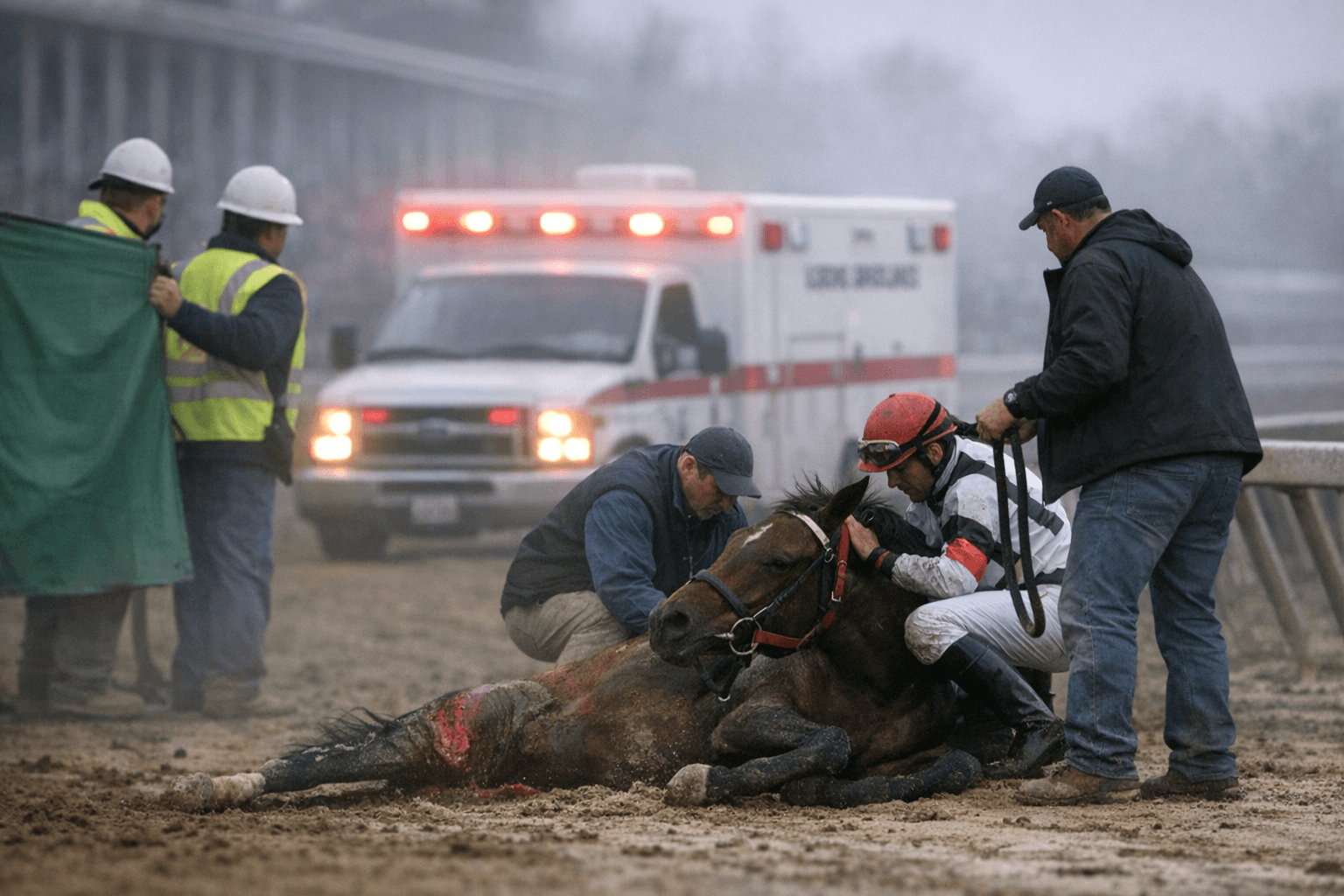
The Horseracing Integrity and Safety Authority released an Equine Health Advisory on Feb. 26, 2026 after regulatory veterinarians reported 28 fatal proximal hindlimb fractures in 2024 and 2025, and the advisory drew on exercise-history data from the HISA Portal. Paulick Report summarized HISA's announcement: "The Horseracing Integrity and Safety Authority (HISA) today, Feb. 26, announced the release of a new Equine Health Advisory identifying key risk factors associated with fatal proximal hindlimb fractures in Thoroughbreds. The advisory, which is based on data drawn from the HISA Portal, provides practical guidance for trainers and veterinarians on how to help prevent these catastrophic injuries."
The advisory's case totals are specific: 28 fatal proximal hindlimb fractures comprised 12 tibial fractures and 16 pelvic bone fractures, and most occurred in training rather than racing. Paulick Report noted, "In 2024 and 2025, Regulatory Veterinarians at Covered Racetracks reported 28 fatal tibial (12) and pelvic bone (16) fractures. Most (75%) fractures occurred during training; 25% occurred during racing." HISA highlighted a strong sex disparity in pelvic injuries, with roughly 80% of fatal pelvic bone fractures occurring in fillies and mares, while fatal tibial fractures occurred more evenly across sexes.
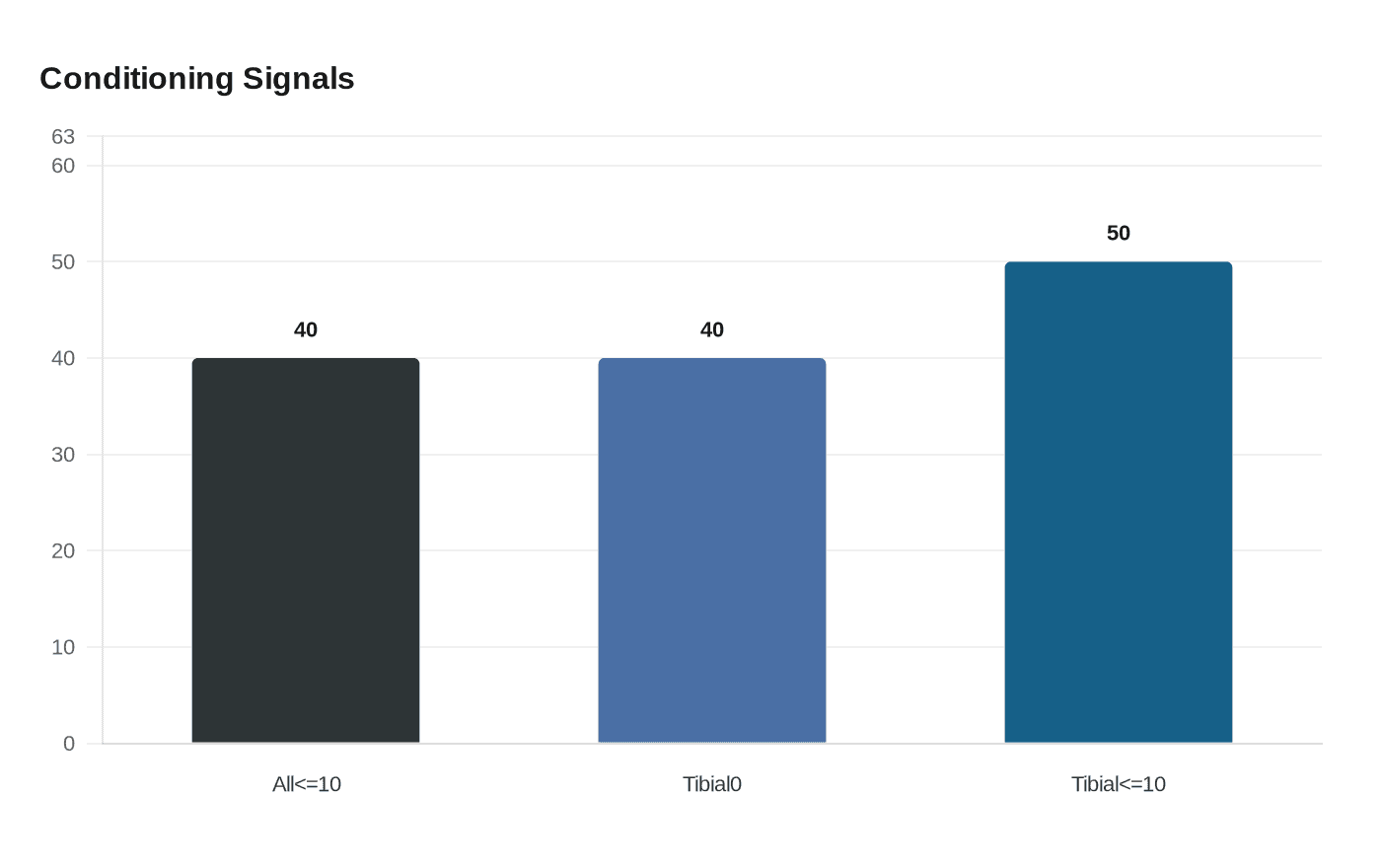
Exercise-history signals are central to HISA's guidance. The advisory reports that about 40% of horses with fatal proximal hindlimb fractures had 10 or fewer high-speed furlongs recorded in the 60 days prior to the fracture, and tibial fractures showed an acute signal of underconditioning. Paulick Report recorded the advisory's details: "Approximately 40% of horses with fatal proximal hindlimb fractures reported to HISA had 10 or fewer high-speed furlongs recorded within the 60 days prior to the fracture occurring." For tibial cases specifically, Paulick reported: "Approximately 40% of horses with fatal tibial fractures, specifically, had zero recorded lifetime high-speed furlongs; 50% had 10 or fewer high-speed furlongs recorded in the 60 days prior to fracture."
The advisory also identifies case-level red flags. Paulick Report documents that four horses with fatal tibial fractures had been placed on the Veterinarians' List as unsound at least once in the previous year, and two fatal tibial cases involved older, unraced horses—one unraced at 4 years old and one unraced at 5 years old. HISA frames these observations as risk signals that should prompt careful attending veterinary evaluation rather than definitive causal findings.
This is HISA's third Equine Health Advisory, following prior advisories on proximal forelimb fractures and exercise-associated sudden death. Paulick recorded HISA's framing: "This is the third Equine Health Advisory that HISA has issued, following advisories on proximal forelimb fractures and exercise-associated sudden death. Sharing these insights from the HISA Portal supports better-informed care, promotion of best practices and reduction of the risk of equine injuries and fatalities." Earlier HISA analysis on forelimb fractures found those injuries accounted for 15% of training fatalities in 2024 and that more than 40% of forelimb cases had no recorded high-speed furlongs in the 60 days before injury, with averages of 12.3 high-speed furlongs overall and 5.9 for humeral fractures.
The advisory arrives amid broader HISA safety metrics showing elevated fatality rates in 2025 and mixed track-level outcomes. Thoroughbreddailynews reported Q2 2025 racing-related fatalities at 1.24 per 1,000 starts, up from 0.76 year-over-year, and a nationwide first-half 2025 rate of 1.06 per 1,000 starts. Ann McGovern, HISA Director of Racetrack Safety, said, "Our team continues to work closely with stakeholders to strengthen track safety," and added that new advisory groups have opened lines of communication with horsemen and medical professionals. Track-level improvements were recorded at nine tracks in Q2, and four tracks posted a 100% decline year-over-year, including Turf Paradise after months of collaboration with HISA.
Scientific context cited alongside the advisory echoes concerns about both underconditioning and cumulative overuse. Susan M. Stover, DVM, PhD, Dipl ACVS, wrote that observed factors are "consistent with our knowledge of repetitive, overuse (fatigue) injuries in racehorses. Frequent high intensity exercise (as observed in injured horses) that does not allow for recovery of exercise-induced microdamage contributes to the development of stress fractures and subchondral stress remodeling which predispose horses to catastrophic injuries." HISA presents its findings as associations that "suggest" lack of high-speed exercise in horses beginning training or returning from layoffs may raise risk, and the advisory targets trainers and veterinarians with practical guidance intended to reduce future catastrophic training injuries.
Know something we missed? Have a correction or additional information?
Submit a Tip