HISA Provisionally Suspends Two Maryland Vets After Steroid Paint, Multiple Drugs Found
HISA provisionally suspended two Maryland veterinarians after searches found a topical "steroid paint" containing sarapin and multiple banned drugs, risking horse welfare and racing integrity.
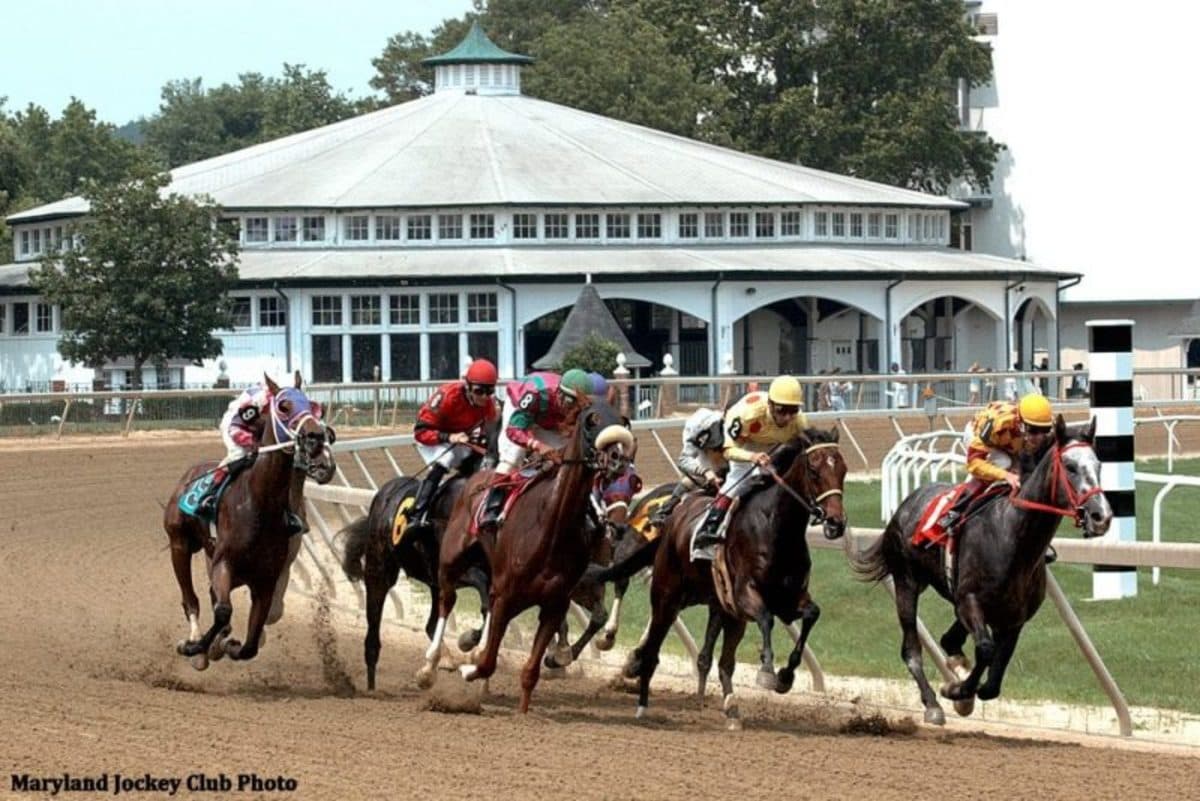
The Horseracing Integrity and Safety Authority has provisionally suspended two veterinarians affiliated with Maryland Veterinary Group following searches at MVG offices at Laurel Park and Delaware Park that uncovered a topical preparation investigators described as a "steroid paint" and multiple other banned substances. The suspensions, effective Jan. 12, 2026, bar Dr. Nicholas L. Meittinis and Dr. Adam J. Lockard from contact with covered horses while hearings and testing continue.
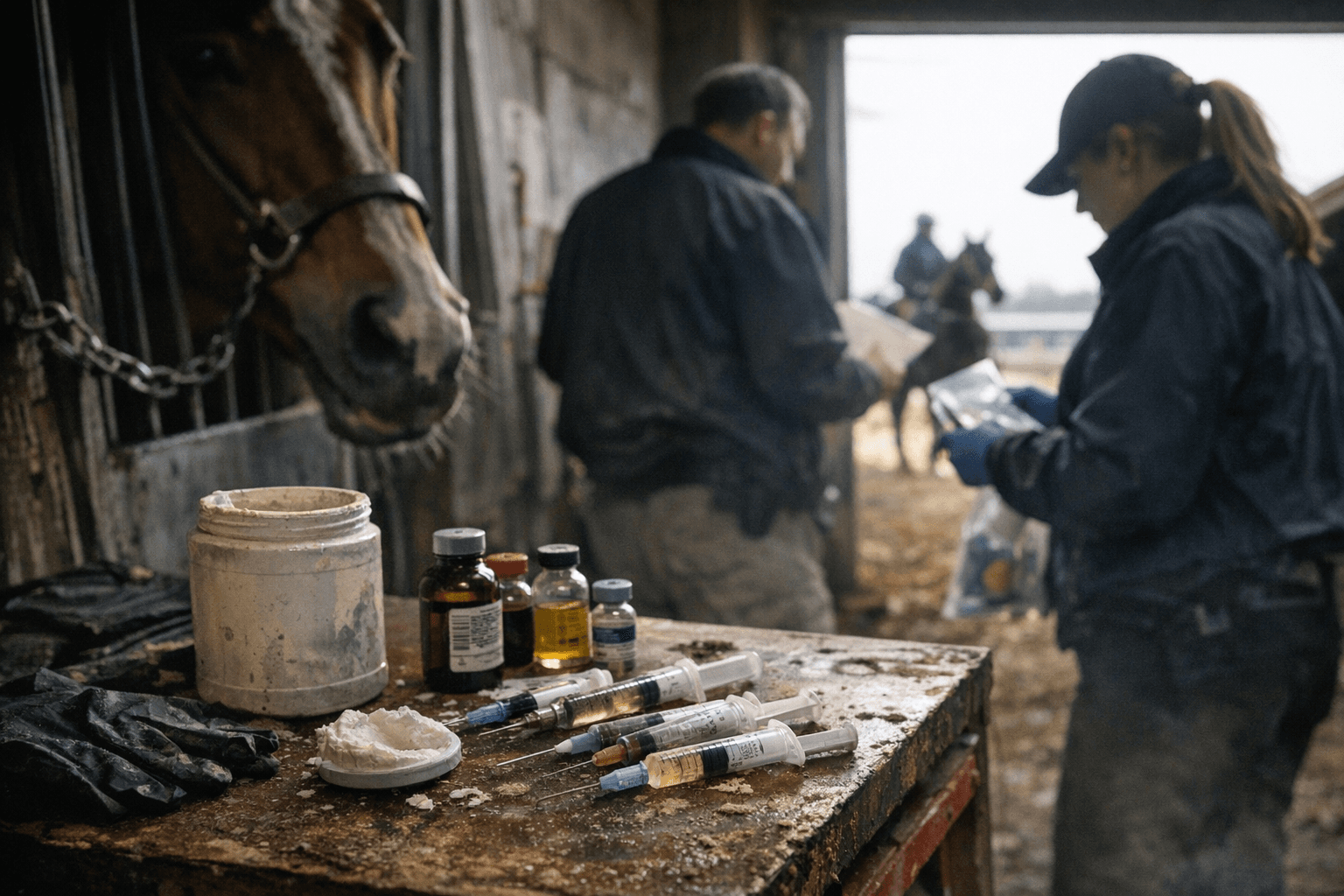
HISA investigators reported finding a recipe for the topical mixture, several one-liter bottles labeled "steroid paint" and unopened gallon jugs labeled "Topical Pitcher Plant." Laboratory analysis identified pitcher plant extract, known as sarapin, an analgesic and pain-blocking substance that HISA prohibits because of its masking potential. The investigative documents also list nine additional banned substances seized during the searches; testing on those samples was ongoing at the time of publication.
The provisional suspensions are aimed at protecting horse welfare and preserving the integrity of competition and wagering. Under HISA rules, possession or distribution of masking agents or performance-enhancing substances poses a direct risk to the horse and to fair play. For owners, trainers and bettors, the immediate effect is uncertainty: covered horses connected to the suspended veterinarians cannot receive their care from those vets pending the outcome of administrative proceedings, and any horses under investigation may face stewards hearings that could alter entries, racing schedules or eligibility.
This development comes as the industry continues to grapple with the practical challenge of enforcing uniform anti-doping standards across jurisdictions. High-profile medication issues have business implications beyond individual sanctions. Breeding valuations, stallion books and sale consignments can be affected when a veterinary practice associated with top barns is implicated in possible drug distribution. Wagering handle also depends on public confidence that races are contested on a level playing field.
Culturally, racing communities prize both tradition and the sport’s animal-welfare narrative. Incidents involving masking agents strike at that dual identity, inviting scrutiny from animal welfare groups and regulators while energizing internal calls for stricter compliance, transparency and stronger chain-of-custody controls for medications and topical preparations. For trackside workers and stable supervisors, the case is a reminder that veterinary protocols are closely watched and that deviations carry professional and legal risk.
What happens next will shape both individual careers and broader regulatory momentum. HISA’s hearings and the completion of lab testing will determine potential penalties or reinstatements. For trainers, owners and fans, the immediate takeaway is heightened vigilance: stable operations must reinforce medication logs, inventory controls and oversight to avoid the reputational and financial fallout of another enforcement action.
Sources:
Know something we missed? Have a correction or additional information?
Submit a Tip