Historian Jill Lepore urges Americans to revisit constitutional amendments for 250th anniversary
Jill Lepore says the 250th anniversary should force a hard question: with more than 11,000 amendment proposals and only 27 ratified, which changes can still survive U.S. politics?
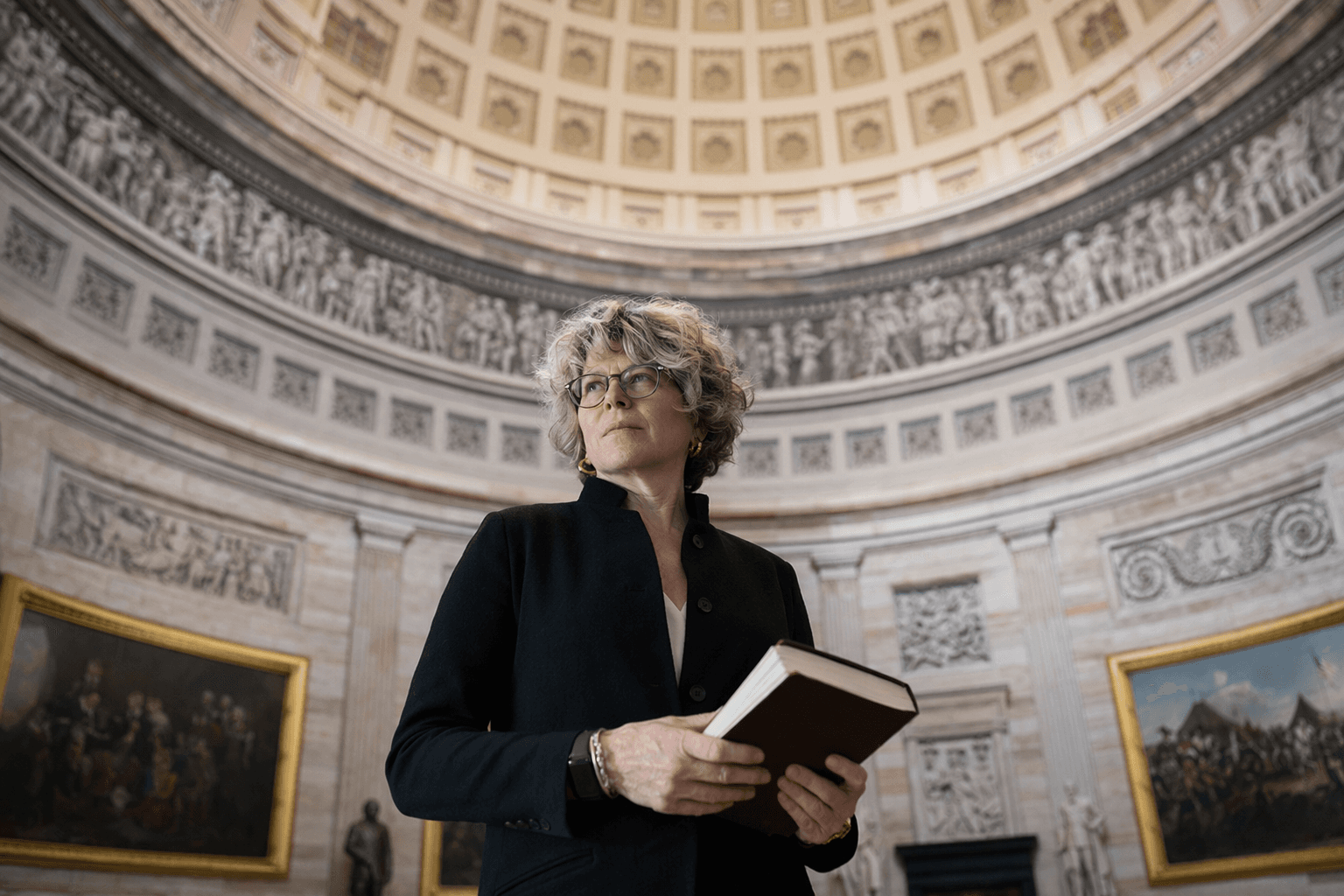
As the United States moved toward its 250th anniversary, Jill Lepore pushed a blunt test of constitutional realism: if Americans want a Constitution they can still change, which amendments are actually possible now? More than 11,000 amendments were formally introduced in Congress between 1789 and 2021, but only 27 were ratified, underscoring how difficult change has become.
The history Lepore draws on is not abstract. The first 10 amendments, the Bill of Rights, were proposed on September 25, 1789, and ratified on December 15, 1791. The 27th Amendment, which limits congressional pay changes from taking effect until after an election, was proposed in 1789 and did not win ratification until 1992, 203 years later. That long delay is part of Lepore’s point: the Constitution can change, but only on a timetable that today’s politics rarely tolerate.
Lepore has argued that the Framers expected Americans to revise the document over time. Her research, including the Amendments Project, treats amendment not as a flaw in the constitutional system but as one of its core design features, a way to allow change without violence while still restraining sudden swings in power. In her latest book, We the People: A History of the U.S. Constitution, she uses centuries of proposed amendments, including many backed by ordinary Americans, to argue that amendment is foundational to American constitutionalism.
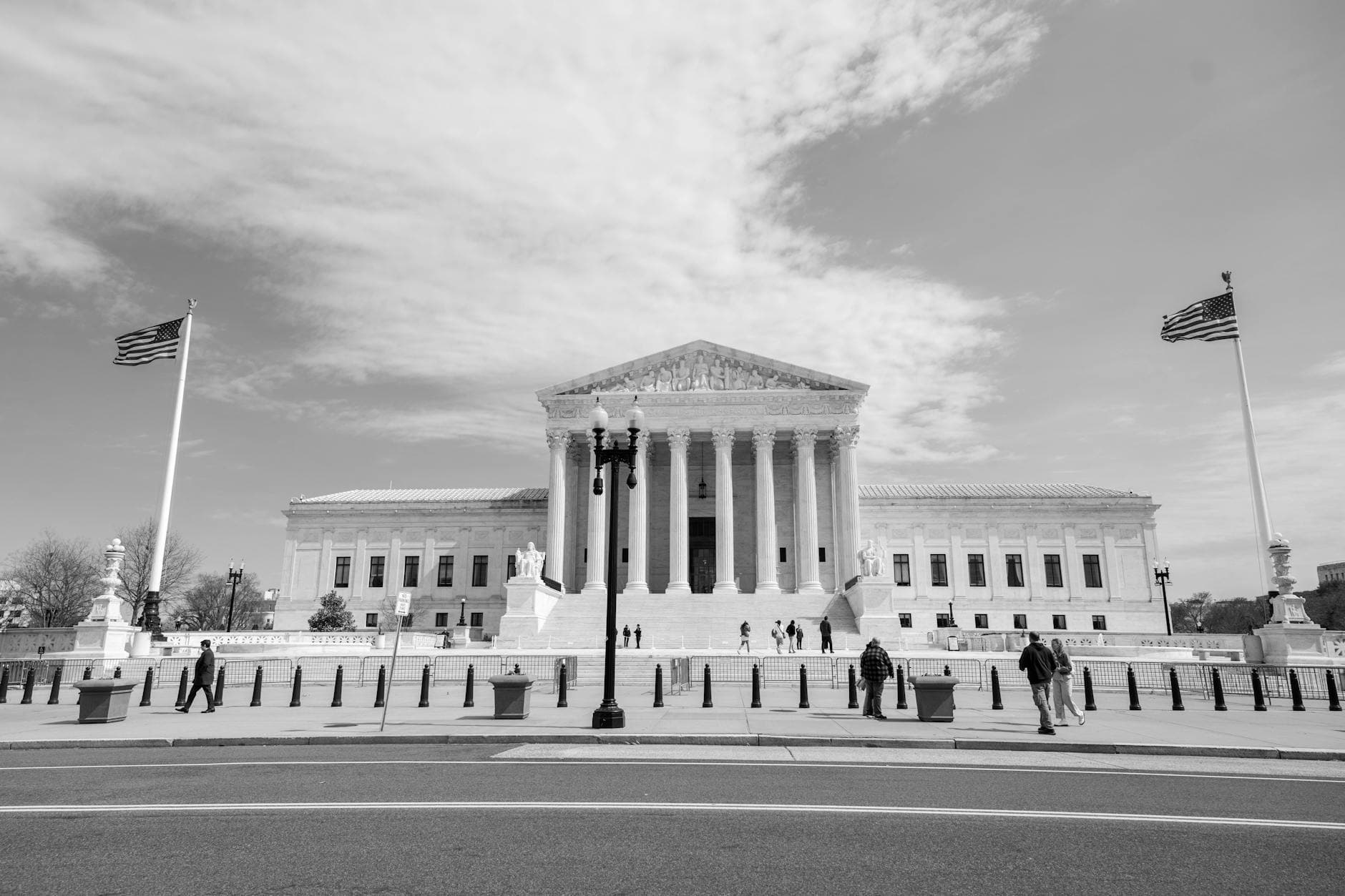
That argument lands as a reality check against constitutional nostalgia. Lepore’s project says the Constitution has been effectively unamendable since the 1970s because political polarization has made the supermajority hurdles of Article V nearly impossible to clear. In that environment, the gap between public frustration and institutional change has widened. Americans may want reforms on voting, representation or accountability, but the modern amendment process has become a graveyard for ideas that cannot assemble enough cross-party support.
The anniversary year has made that tension more visible. Public programming tied to the 250th anniversary in 2025 and 2026 has already framed the Constitution as a live debate topic rather than a static artifact, with Lepore appearing in settings including Harvard and library talks. Her message is not that the Constitution should be revered from a distance. It is that the country should stop pretending amendment is easy, and start asking which changes are politically conceivable before the nation celebrates another milestone.
This article was produced by Prism’s automated news system from verified source data, official records, and press releases, then run through automated quality and moderation checks before publishing. The system is built and supervised by the people who set the standards it runs under. Read our full AI policy.
Did this article answer your question?

