Historic Rico Mining Town Draws Heritage Tourists and Outdoor Recreation Visitors
Rico’s 19th- and early 20th-century mining heritage and nearby San Juan National Forest trails are drawing heritage tourists and outdoor recreation visitors, boosting seasonal activity and focus on preservation.
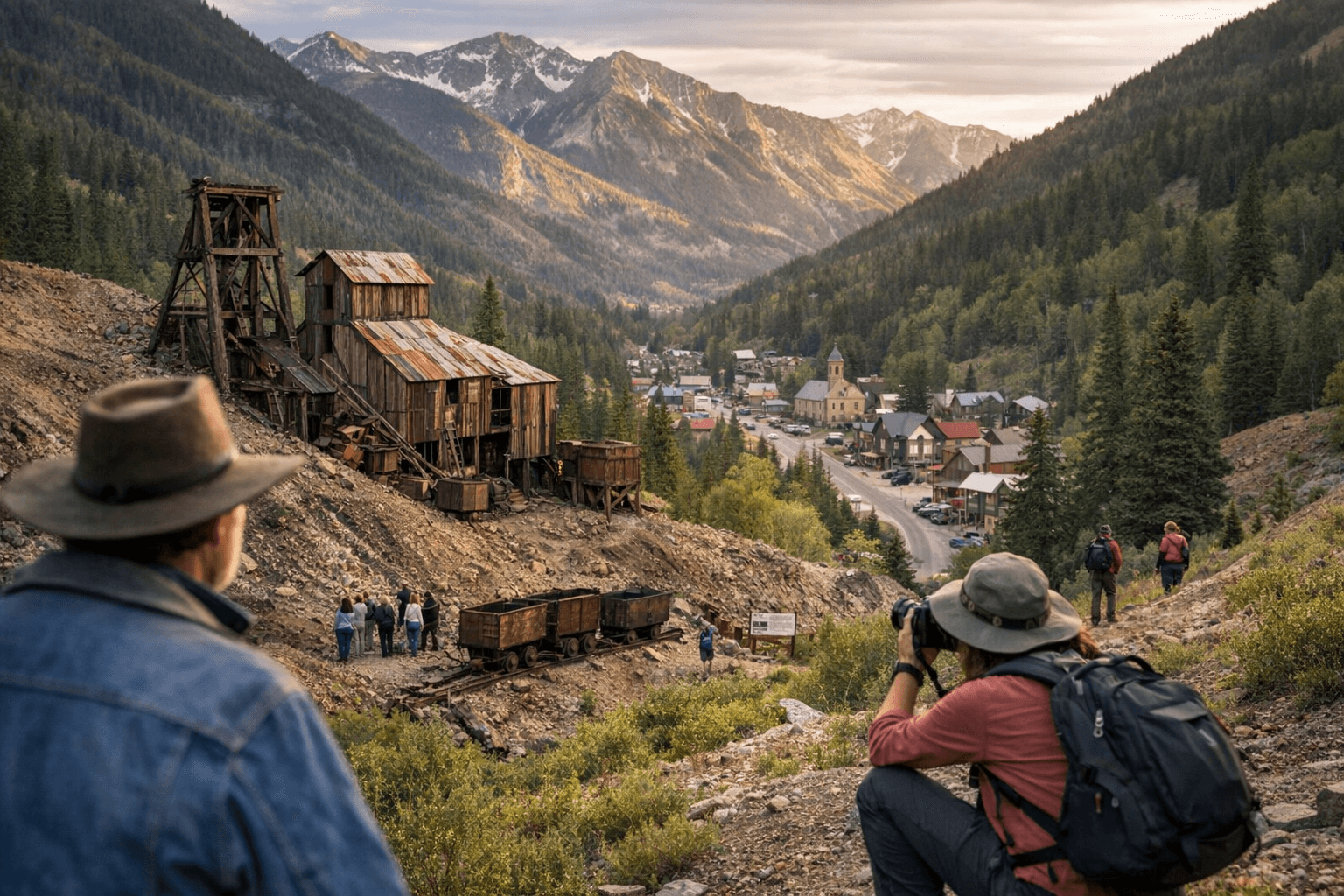
Rico sits in eastern Dolores County as a compact reminder of Colorado’s silver and gold rush era, and that legacy is increasingly drawing visitors for both history and outdoor recreation. The Rico Mining District, along with the old Dunton camp to the south, contains significant placer and lode mining sites, remaining historic buildings, and a ghost-town character that heritage tourists seek out while using nearby San Juan National Forest access for hiking, fishing and backcountry recreation.
The town’s mining-era fabric dates to the 19th and early 20th centuries, and local-historical sources such as Mindat catalog the district’s mineral occurrences and provide context useful to researchers and visitors. That documented mineral history reinforces Rico’s appeal to people interested in geology and mining history, while the surrounding national forest provides trails and public land access that draw seasonal recreation visitors who add to weekend and summer traffic through town.
For local residents the mix of heritage tourism and outdoor recreation translates into practical effects on the local economy and services. Local lodging, guiding and retail experience increased seasonal demand that supplements year-round resident needs. At the same time, the town’s small size and its collection of historic buildings mean questions about maintenance, parking, signage and visitor services come into sharper focus when visitation rises. Land-use and preservation decisions in and around the Rico Mining District carry implications for property owners, historic-site stewardship and public access to the San Juan National Forest.
Rico’s preserved structures and ghost-town ambiance also shape community identity. The visible remains of mines and old camps create opportunities for interpretive signage, walking tours and informal heritage programming that can keep dollars in Dolores County while encouraging stewardship of historic resources. Mindat and other local catalogs function as ready references for tour planning and for researchers documenting mineral occurrences, which helps ensure that interpretation and preservation are grounded in documented history.
The immediate outlook is one of steady seasonal interest rather than large-scale development. Managing that interest will require local officials, landowners and recreation managers to balance visitor needs with conservation of fragile historic fabric and forested landscapes. For Dolores County residents, Rico’s renewed visibility means potential for supplemental income and new audiences for local history, but also a need to shape policies on parking, signage, building upkeep and trail access so the town’s character endures. What comes next will be guided by how residents and decision-makers align heritage preservation with the recreational draw of the San Juan National Forest.
Sources:
Know something we missed? Have a correction or additional information?
Submit a Tip