Historic sites anchor community identity and tourism in Phillips County
Phillips County's Freedom Park, Pillow Thompson House and Elaine memorials preserve complex history and support education, tourism, and community healing.
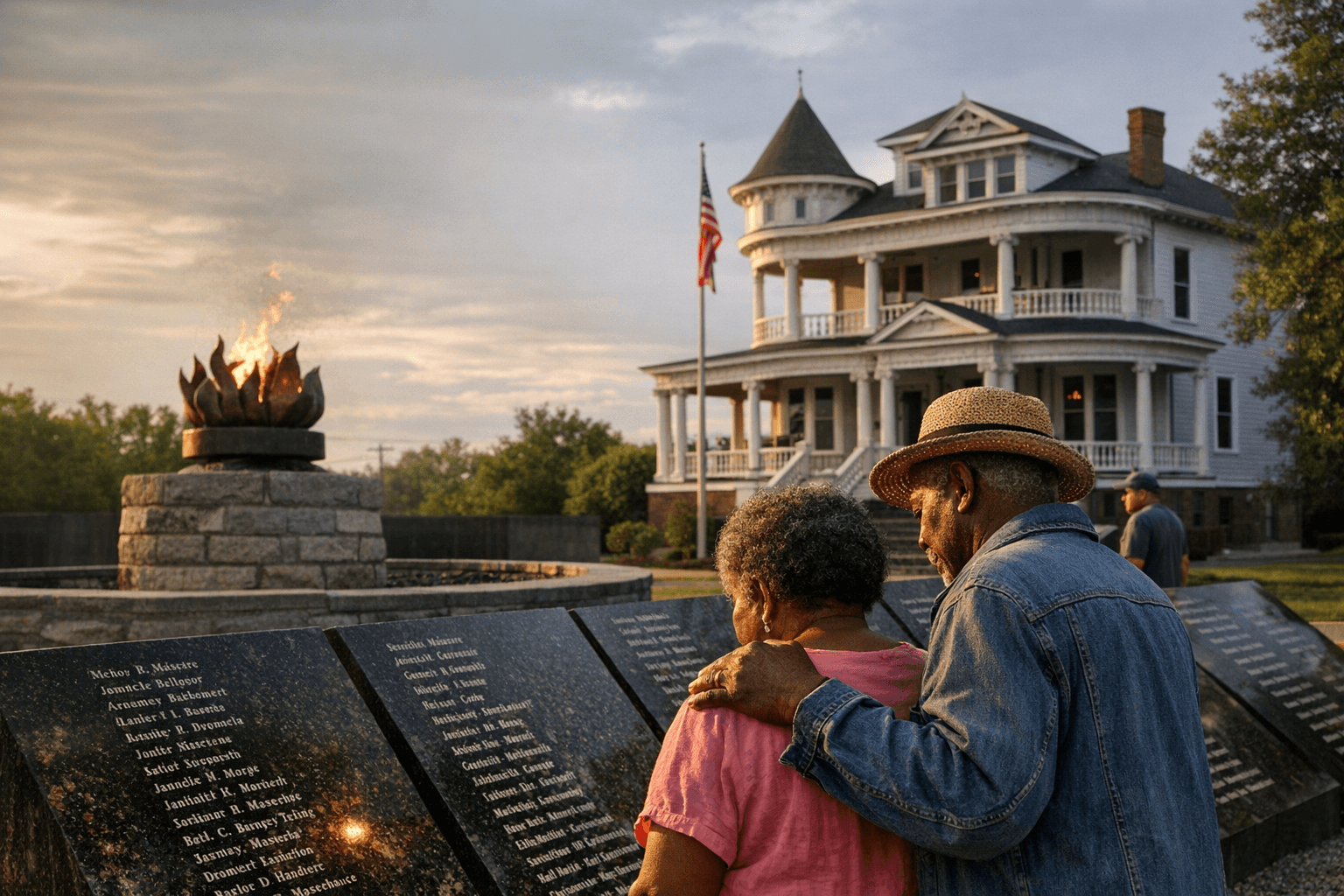
Phillips County’s historic sites are more than markers on a map; they are active places of learning, remembrance and local economic activity. Freedom Park in Helena, the restored Pillow Thompson House, and the commemorative efforts tied to the 1919 Elaine events form a trio of cultural anchors that shape school curricula, attract heritage visitors and provide venues for civic life along the Mississippi River.
Freedom Park offers outdoor interpretation and monuments that start many visitors on a riverfront itinerary. Pairing a park visit with the Delta Cultural Center provides fuller historical context for students and tourists who want a deeper look at Civil War era contraband camps and later civil rights history. The Pillow Thompson House is a restored Queen Anne property used for public tours, hands-on preservation training for students and as a rentable venue for community events. Elaine’s memorials and ongoing interpretive efforts create important opportunities for guided commemorations and walking tours that confront a painful chapter in local history while educating residents and visitors.
These sites support more than heritage tourism. Schools can use them for multimodal field trips that link exhibits, park interpretation and onsite learning, reinforcing classroom lessons and improving students’ civic literacy. Heritage tourists who spend at local restaurants, shops and lodging also help strengthen neighborhood economies, which in turn supports jobs and community resources that matter for health and well-being. The interpretation of racially traumatic events like those in Elaine speaks to social equity and community healing; thoughtful, trauma-informed programming can make sites safer and more accessible for survivors, families and young people learning about the past.
Access and scheduling are practical concerns. Many sites operate seasonally or have limited weekday hours, so residents and visitors should allow time to read interpretive panels and check event calendars for guided options. For those seeking to host events or schedule tours, contact local tourism offices to confirm availability and staffing. Residents interested in preservation can follow local groups to volunteer, propose interpretation, or weigh in on maintenance and programming priorities.
The takeaway? Treat these places as classrooms, community rooms and economic assets all at once. Plan visits that mix museums, park time and site walks, support volunteer and preservation efforts, and ask site staff about accessible, trauma-informed tours. A little planning helps you leave with more than photos, you leave with context, connection and a stake in how our shared history is remembered.
Know something we missed? Have a correction or additional information?
Submit a Tip