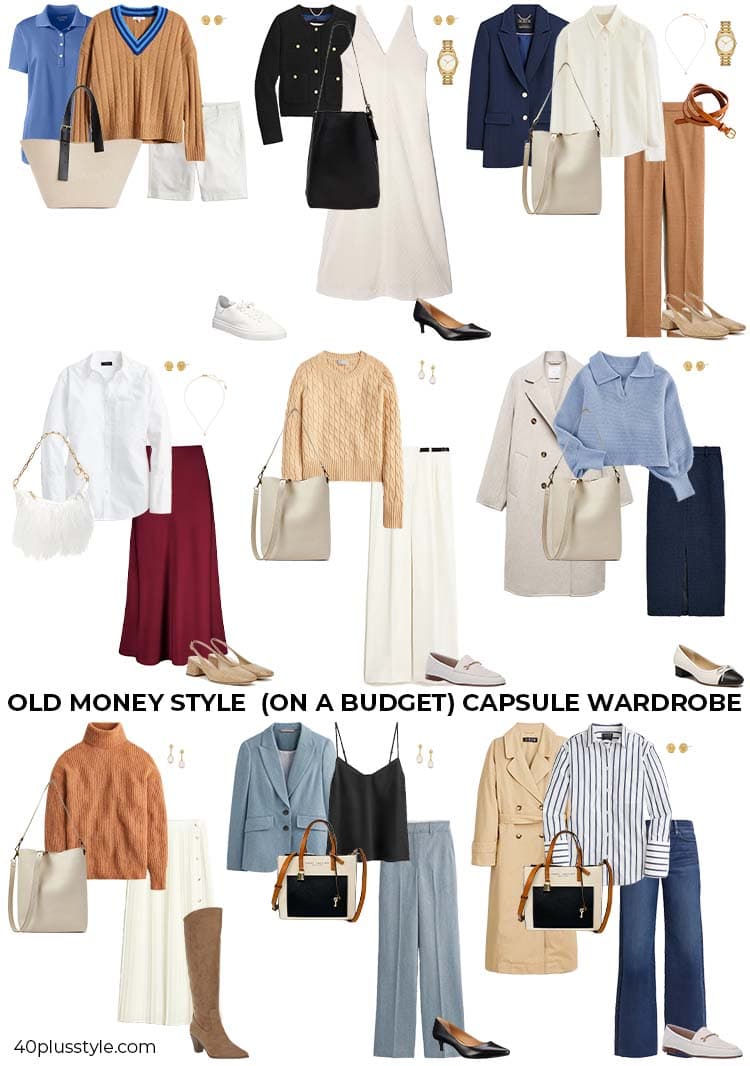
Hive Mind of Quiet Luxury Spreads Sameness Into Art Collections and Interiors
Bloomberg’s Feb. 27, 2026 feature says the quiet-luxury "hive mind" has migrated from fashion into art, leaving fairs and feeds full of works that are "abstract but never confrontational."
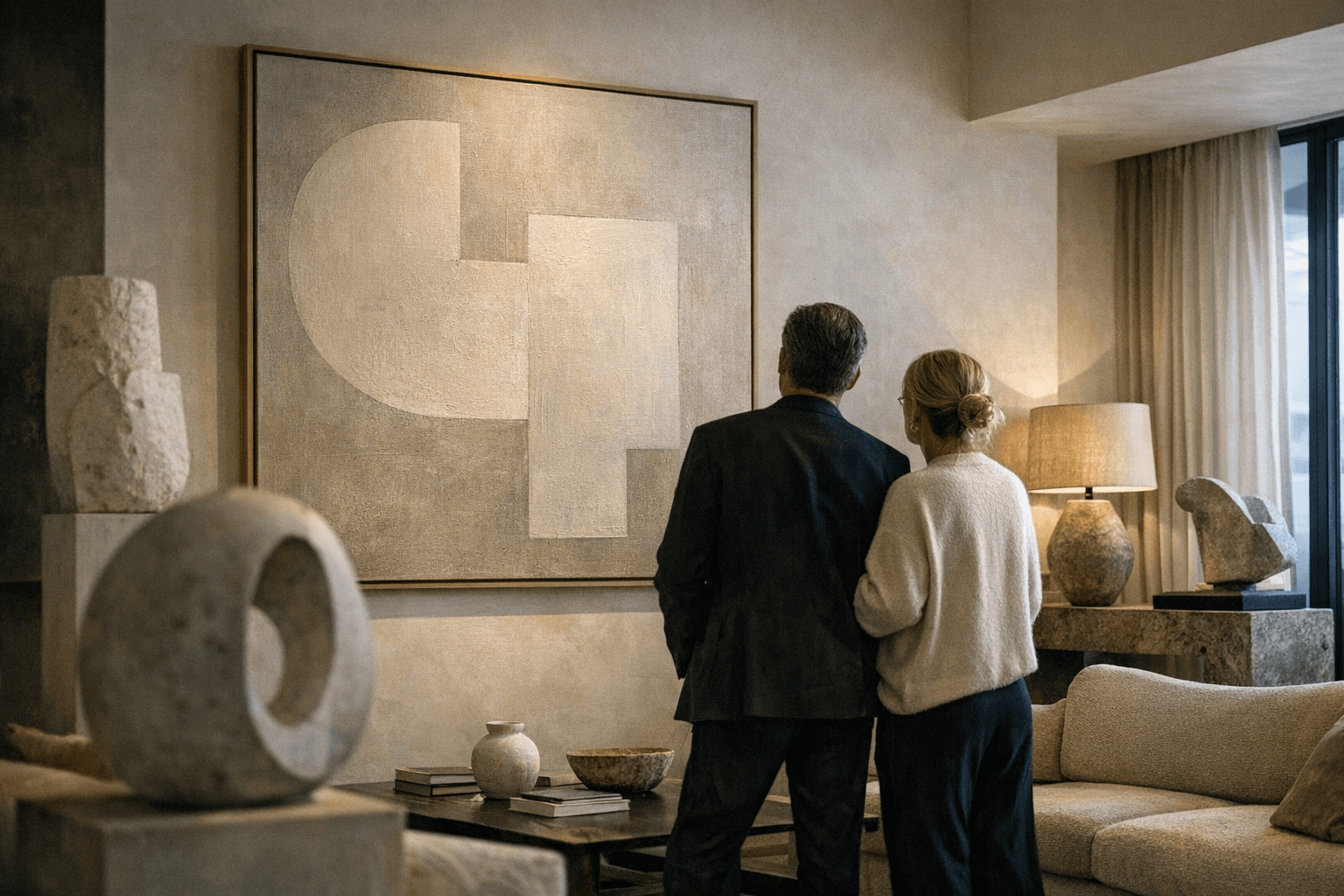
Bloomberg's Feb. 27, 2026 feature contends that the quiet-luxury aesthetic that dominates fashion in 2026—subtle, logo-free, material-forward, and restrained—has migrated into art collecting and the decorative choices of high-end buyers. The observation frames a cultural shift: what began as a language of tactile understatement in clothing now guides acquisitions and interiors for wealthy patrons.
A LinkedIn commentary titled "The Comfort of Sameness" picks up Bloomberg's language and names the effect a "hive mind." The post expands the diagnosis: "What Bloomberg aptly describes as a ‘hive mind’ of quiet luxury is less an aesthetic than a posture: one that favors consensus over conviction, legibility over encounter." That formulation moves the discussion from surface taste to behavior, suggesting collectors choose works that read easily across contexts rather than works that complicate or provoke.
The LinkedIn author locates the phenomenon in specific settings: "Walk through major fairs, private foundations, or the curated feeds of new collectors, and the sensation repeats itself." The symptom is described crisply: "The works differ, yet feel interchangeable — abstract but never confrontational, refined but never risky." Those phrases pin down the visual signature now appearing on fair walls, foundation galleries, and Instagram grids alike.
The post also frames a paradox about the market environment supporting this sameness: "There is a paradox quietly settling into today’s art world: at the very moment when collecting has become more global, more liquid, and more technologically informed, it has also grown strikingly uniform." The critique is not an outright dismissal of restraint; the author concedes that "Quiet luxury, in itself, is not the problem. Restraint, subtlety, and understatement have always been legitimate artistic virtues." The worry is the next step: "The issue arises when discretion hardens into a default language — when taste becomes a shared script rather than a personal articulation."
That shared script, the LinkedIn post argues, changes the act of collecting into one of social alignment: "Collecting then ceases to be an act of looking and becomes an act of alignment. Works are chosen not for the tension they introduce, but for the calm they preserve: the ability to sit comfortably in any interior, any boardroom, any narrative of cultivated success." The final sting is economical and precise: "Art becomes ambient confirmation of belonging, a surface that reflects the collector rather than challenging the gaze."
Neither the supplied Bloomberg summary nor the LinkedIn excerpt names artists, fairs by title, buyers, or price data, and the Bloomberg feature itself is behind a paywall; those absences matter because they leave the thesis without concrete case studies in the supplied material. Still, the phrases and scenes quoted here—Feb. 27, 2026; "quiet-luxury aesthetic"; "hive mind"; major fairs, private foundations, curated feeds—map a recognizable taste regime. If quiet luxury continues to translate into art and interiors as described, the consequence is less about fabrics and more about cultural risk: a market that prizes seamless fit over encounter risks rendering the next generation of collecting visually and intellectually homogeneous.
Know something we missed? Have a correction or additional information?
Submit a Tip