Hochul budget deal adds luxury second-home tax, curbs ICE cooperation
Hochul turned a late budget into a policy sweep, adding a tax on $5 million second homes and new limits on ICE cooperation.
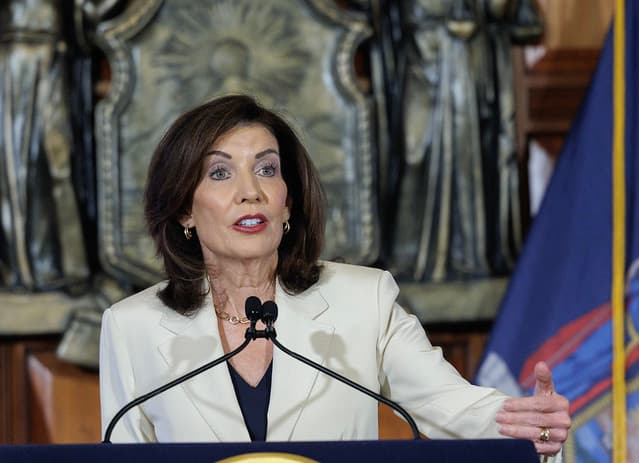
Gov. Kathy Hochul used New York’s overdue budget to push through two of the state’s sharpest policy fights: a new tax on luxury second homes and a sweeping curb on cooperation with U.S. Immigration and Customs Enforcement.
Lawmakers struck the deal on May 7, 2026, more than five weeks after the April 1 deadline, around a spending plan pegged at roughly $268 billion to $269 billion. The package showed how a must-pass fiscal bill can become a vehicle for far more than spending, bundling housing wealth policy, immigration enforcement and other priorities into one negotiation.
The biggest new revenue move was a pied-à-terre surcharge aimed at New York City homes valued at $5 million or more. Hochul said the tax would hit nonresidents who own those properties and was expected to raise at least $500 million a year for the city. With New York City facing a budget gap of about $5.4 billion, Hochul and Mayor Zohran Mamdani cast the measure as a way to make ultrawealthy owners pay their fair share without touching everyday New Yorkers. The tax would be New York State’s first pied-à-terre levy.

The immigration section went just as far. The budget deal would bar state law enforcement from working with ICE on federal immigration enforcement, ban ICE from entering schools, health care facilities, homes and other sensitive locations without a judicial warrant, and prohibit law enforcement officers from wearing masks except in rare operational circumstances. It would also end 287(g) agreements, which deputize local officers for federal immigration enforcement, prohibit local jails from detaining people on civil immigration offenses, and restrict state and municipal employees, except local police, from sharing certain information with immigration authorities.
Those changes followed Hochul’s January proposal, called Local Cops, Local Crimes, which aimed to stop local police from being pulled into federal immigration work and to limit detention facilities used for civil immigration enforcement. By late May, lawmakers had released the immigration text and both chambers had passed it, clearing the way for Hochul’s expected signature.

The politics around the package remain volatile. New York Focus reported that a dozen local and county police departments in the state had signed 287(g) agreements, and that Nassau County saw a record 352 ICE arrests in January. Immigrant-rights advocates backed the protections but said the deal still left room for informal cooperation between local police and federal authorities. The mask ban is also likely to draw a legal fight, with a similar California measure struck down by a federal judge in February 2026 for unlawfully discriminating against federal officers.
This article was produced by Prism’s automated news system from verified source data, official records, and press releases, then run through automated quality and moderation checks before publishing. The system is built and supervised by the people who set the standards it runs under. Read our full AI policy.
Did this article answer your question?

