Hojicha tea surges onto UK café menus as matcha strain grows
Roasted and lower-caffeine, hojicha is moving from specialty tea to café staple as matcha prices and supply tighten in Japan.

Hojicha, the roasted Japanese green tea with a warm, nutty, caramel-like flavour, is moving from a curiosity to a menu fixture in British cafés as operators look for the next wave after matcha. The appeal is straightforward: it tastes distinct, carries less caffeine than matcha and fits easily into lattes, iced drinks, desserts and bakery items.
The UK Tea & Infusions Association said on 10 January 2026 that hojicha was “making waves” in UK cafés, with the hojicha latte emerging as the clearest driver of demand. The association also pointed to hojicha-infused ice creams, smoothies and baked goods, a sign that cafés and dessert makers are treating it as more than a single-drink fad. In London, JENKI serves hojicha hot or iced at all four of its locations, while JUJUHOME Cha, TSUJIRI, Matchado and Gram’n Degrees Coffee have all put the tea into circulation in latte, tea and dessert formats.
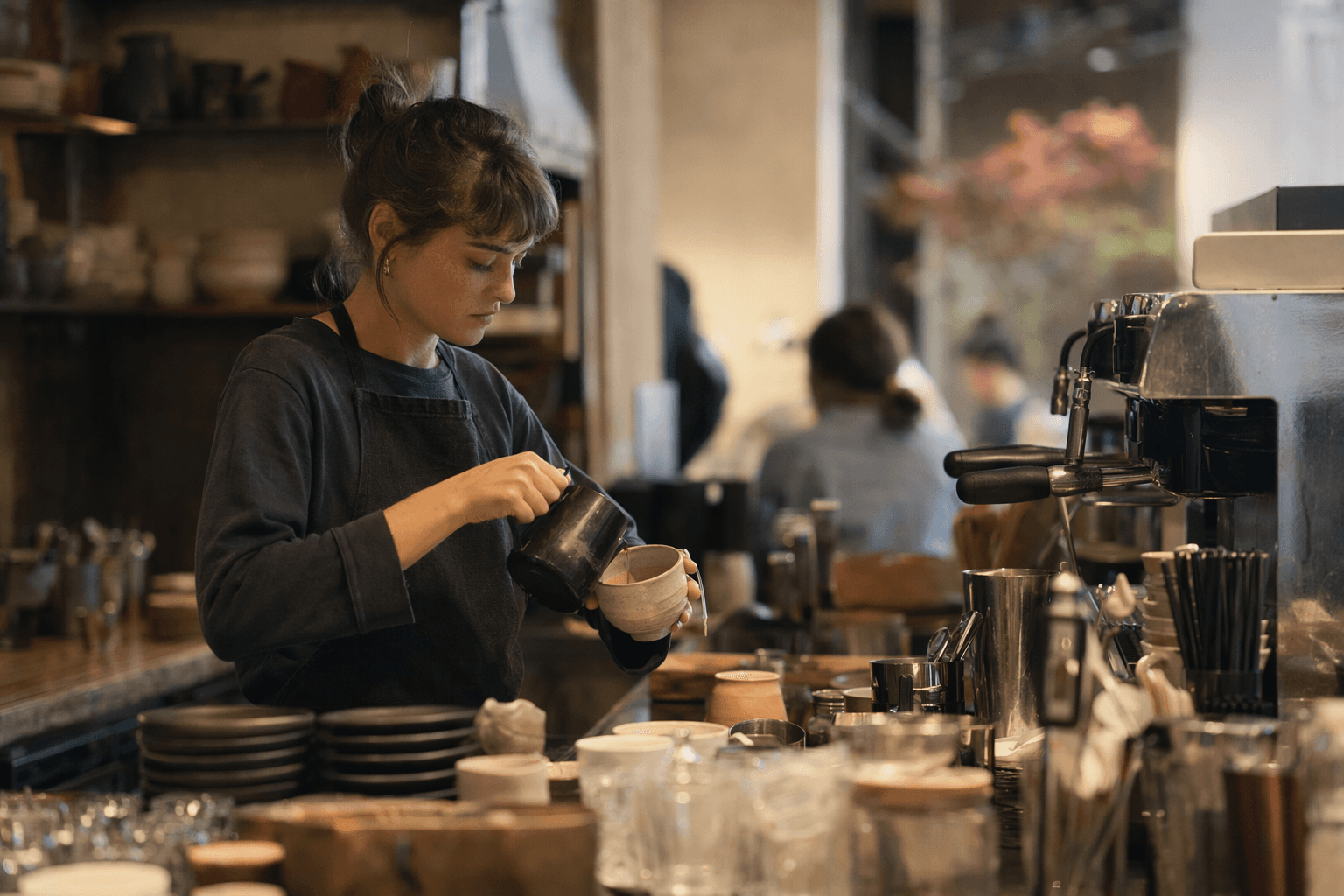
The shift reflects a familiar pattern in food retail: once consumers have learned to order one Japanese tea, they are more willing to try the next one. Matcha opened the door by normalising Japanese tea culture in mainstream café settings, but hojicha offers a different proposition. It is roasted rather than ground from the familiar bright-green matcha leaf, and its darker, toastier profile is easier for some drinkers to embrace in coffee-led environments where sweetness, milk and dessert flavours already dominate.
That positioning matters because price and caffeine are now part of the consumer pitch. Hojicha sits comfortably in the wellness segment without the sharper stimulant hit associated with matcha, giving cafés a product they can sell as both comforting and versatile. Matchado has gone further by selling hojicha powder online and promoting it for home recipes such as tiramisu and chocolate ganache, extending the category beyond cafés and into retail cupboards.
Japan’s tea institutions cast hojicha as part of a much older story. The Japan National Tourism Organization describes it as one of the classic Japanese teas, alongside matcha and sencha, made by roasting sencha and other tea leaves. It also says Japan’s tea culture stretches back more than 1,000 years, while the formal tea ceremony developed over centuries around matcha; a separate, less common tea-leaf ceremony known as senchado uses tea leaves instead.
The timing of hojicha’s rise also says something about supply constraints in the broader tea market. Extreme heat in Japan has reduced matcha production, especially in Kyoto, which accounts for about a quarter of the country’s tencha output. A May 2025 Kyoto auction price for tencha reached 8,235 yen per kilogram, up 170% from a year earlier, while Japan’s green tea exports rose 25% by value in 2024 to 36.4 billion yen. Japan produced 5,336 tons of tencha in 2024, nearly 2.7 times the amount from a decade earlier, underscoring how global demand is pulling harder on the supply chain. In that environment, hojicha looks less like a novelty than a practical next bet for cafés, brands and consumers searching for the next matcha.
This article was produced by Prism’s automated news system from verified source data, official records, and press releases, then run through automated quality and moderation checks before publishing. The system is built and supervised by the people who set the standards it runs under. Read our full AI policy.
Did this article answer your question?

