Holder Defends Virginia Redistricting Vote Amid National Gerrymandering Battle
Holder cast Virginia’s redistricting referendum as a temporary counterpunch to GOP map-making, with early voting already open and the House majority in play.
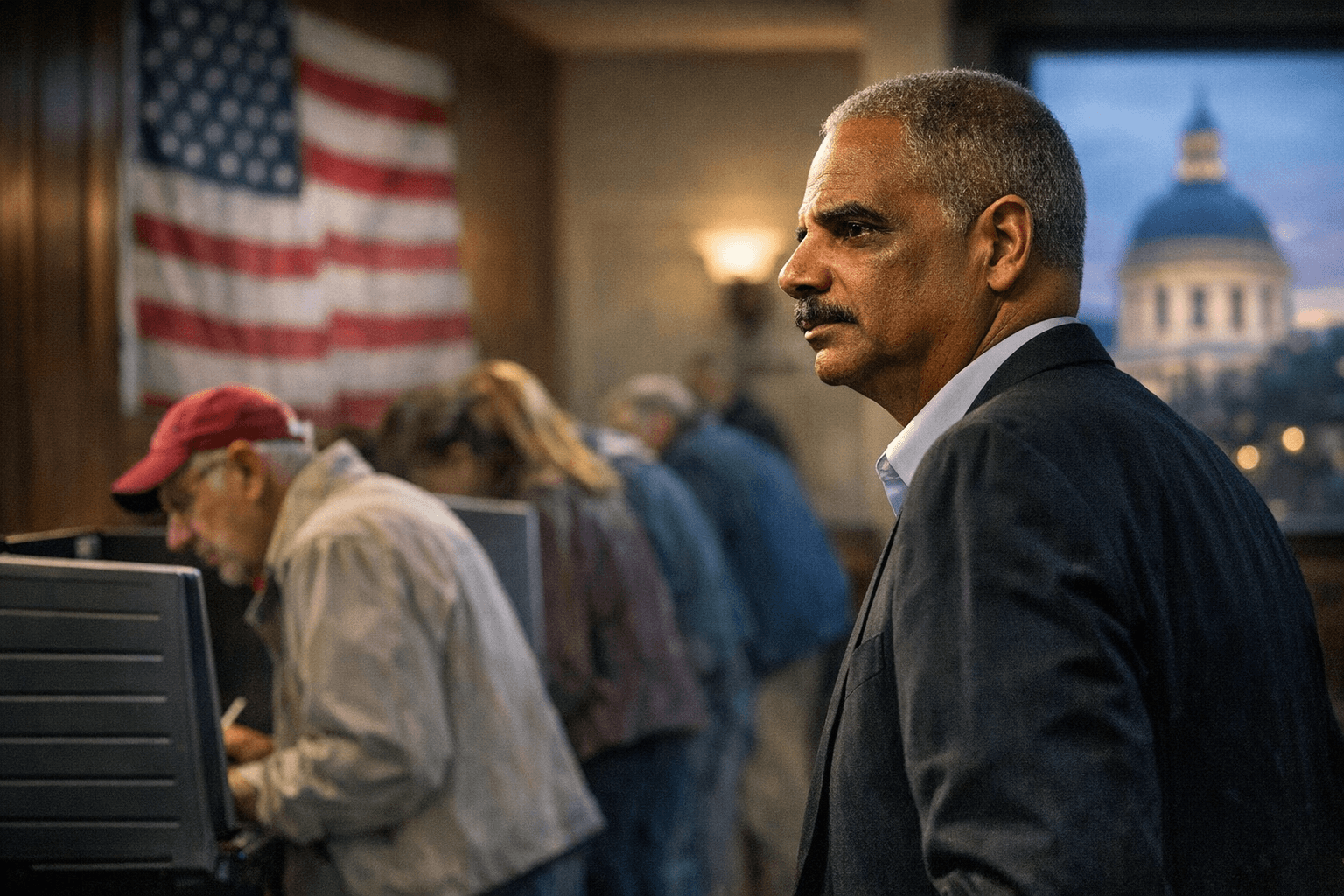
Eric Holder defended Virginia’s redistricting referendum as a necessary response to a widening national map-drawing fight, arguing that Democrats could not sit still while Republicans pushed new districts in Texas, Missouri and North Carolina. The former U.S. attorney general, now chairman of the National Democratic Redistricting Committee, used his appearance on Face the Nation with Margaret Brennan to frame the Virginia vote as a limited, defensive move rather than a permanent rewrite of the state’s election rules.
The stakes are immediate. Virginia voters were set to decide the question in a special election on April 21, with early voting already underway. A yes vote would let the Virginia General Assembly temporarily redraw the state’s congressional districts for the 2026 elections, then hand the power back to the Virginia Redistricting Commission in 2031. Election officials said the proposed constitutional change would allow lawmakers to act only for this cycle before the commission resumes responsibility after the 2030 Census.
Holder argued that the move reflected the broader scramble that has taken hold across the country as both parties look for advantage ahead of the midterms. He tied Virginia’s push to Republican-led efforts in Texas, where Republicans pursued mid-decade redistricting with the goal of adding as many as five GOP House seats. He also pointed to similar battles in Missouri and North Carolina, presenting Virginia as one front in a much larger partisan contest over control of the U.S. House of Representatives.
That larger context matters because the unusual mid-decade redistricting wave has already begun to reshape the political map. California voters approved a countermeasure in 2025 that temporarily bypassed the state’s independent redistricting commission, underscoring how far states are now willing to go to protect or expand their House delegations. Before this cycle, only two states had voluntarily redistricted in the middle of the decade since 1970, a measure of how exceptional the current round of map making has become.
In Virginia, supporters said the amendment would "restore fairness" in upcoming elections and could shift the state’s 11-member delegation as far as 10 seats toward Democrats, though opponents warned the state already had a bipartisan commission meant to keep politicians out of the process. That tension gives Holder’s argument its force in 2026: the fight is no longer only about Virginia’s lines, but about whether the rules of representation can be bent state by state until the next census resets them.
This article was produced by Prism’s automated news system from verified source data, official records, and press releases, then run through automated quality and moderation checks before publishing. The system is built and supervised by the people who set the standards it runs under. Read our full AI policy.
Did this article answer your question?

