Holmes County Columnist Rescues Discarded Christmas Tree, Finds Second Chances
Local columnist rescued a discarded artificial Christmas tree on Jan 17, 2026, turning a small act into a reminder about second chances, resilience after job loss, and community thrift.
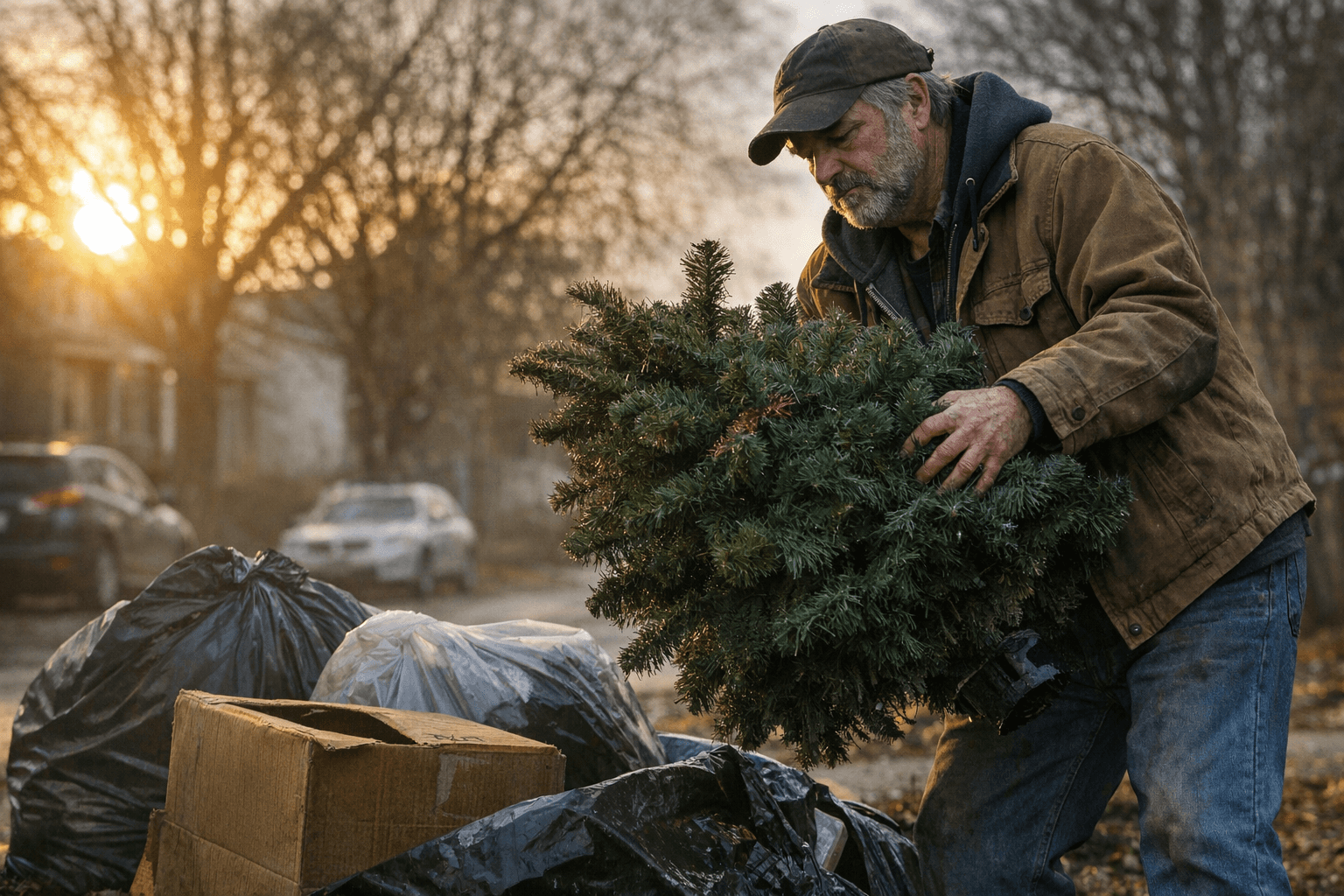
I found the tree on the evening of Jan 17, 2026, discarded at the edge of a parking lot near the coastal community where I worked night security. It was bent at the branch tips and a little bedraggled, but it had the shape of something that could be useful again. I loaded it into the back of my truck, brought it home, and set about giving it a second life. The act itself was small, but it reopened a line of thinking about how people and things get written off and how easy it is to reverse that ledger.
My own story intersects with that discarded tree. I lost stable work in the 2008 recession and spent years piecing together jobs, eventually taking night shifts as a security guard by the water. Those years taught me humility about paychecks and pride in showing up for unglamorous tasks. Walking patrols under sodium lights, I learned to notice what others ignore: a loose bolt, an unlocked gate, a bag left in the dunes. On Jan 17 the tree was another of those small things that said, in its way, we still have use left in us.
For Holmes County readers this is more than a sentimental moment. The arc from 2008 to the present still shapes local labor markets. Residents here know colleagues, neighbors, and family members who had to pivot careers or accept nontraditional hours to stay afloat. The choice to rescue a rejected tree is a small-scale echo of the larger choices many make during times of economic stress - to reuse, repair, and find dignity in work that steadies the household balance sheet.
There are practical civic lessons embedded in the story. Reclaiming usable goods reduces household spending and household waste while stretching community resources. The habit of showing up for small tasks builds social capital - the informal trust and reciprocity that help neighbors exchange favors and opportunities. In an era when automation and shifting demand reshape local employment, the informal economy of repair, swap, and mutual aid matters for resilience.
The tree became a conversation starter. Neighbors who saw it asked where it came from, and the conversation meandered to larger themes: job changes, pride in simple work, and the quiet value of keeping things and people in play rather than discarding them. That is the central take-away I carried home from a routine night shift: second chances are often mundane, inexpensive, and immediate.
For readers in Holmes County, the implication is concrete. Look around your block and consider what can be mended, repurposed, or offered to a neighbor. Small acts of stewardship add up into community strength, and the same economy that turns outcasts into ash can also be nudged toward reuse and redemption by choices we make in parking lots and by porches.
Sources:
Know something we missed? Have a correction or additional information?
Submit a Tip

