Holmes County Reports Increase in HPAI; OSU Extension Urges Biosecurity
OSU Extension warns HPAI detections have risen regionally and urges Holmes County livestock and backyard flock owners to review biosecurity to protect animals and public health.
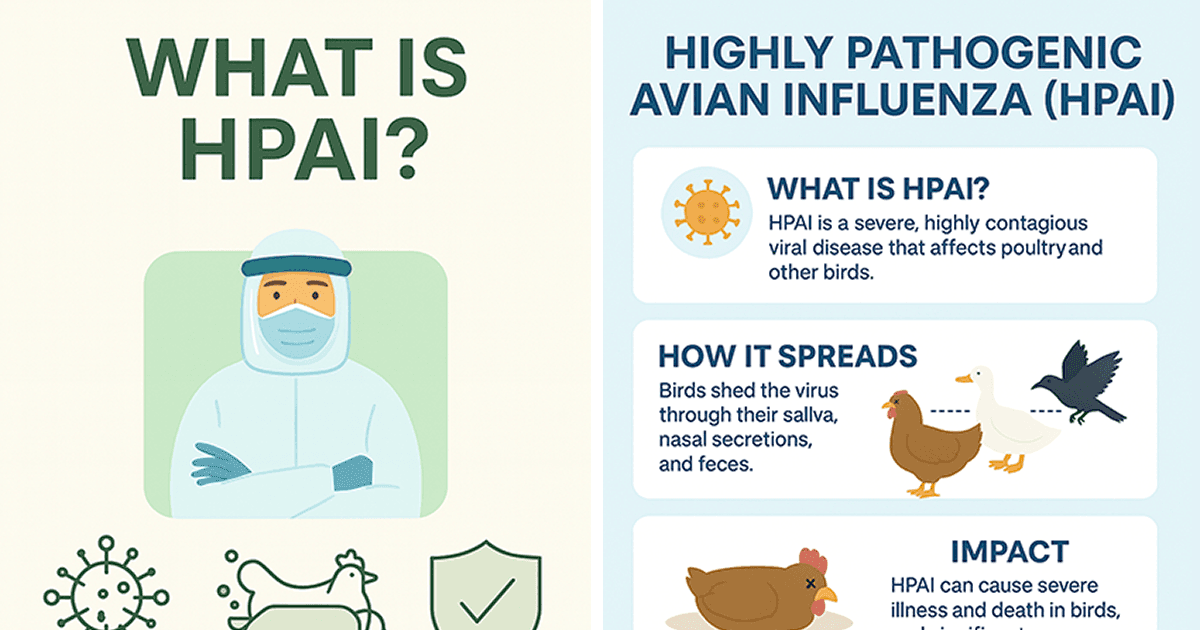
Local and regional reports of highly pathogenic avian influenza (HPAI) have increased, and Ohio State University Extension is urging Holmes County livestock owners and backyard flock caretakers to review biosecurity practices. An OSU Extension advisory published Feb. 3, 2026, said the uptick “have been increasing over the last two weeks” and advised producers to pay attention to wildlife contact and seasonal risk factors.
The Wayne County advisory cited several recent detections in the region, noting that “One flock in Morrow County tested positive and there have been confirmed cases in Canadian Geese found deceased in the State.” It also recorded broader activity: “Wisconsin had their first reported case in dairy cattle the first week of January,” and “West Virginia has had two reported cases in backyard poultry flocks. One was in the southern end of the state and the other was in the north.” The advisory concluded that “Reports of Highly Pathogenic Avian Influenza (HPAI) virus have been increasing over the last two weeks and this shouldn’t be a huge surprise to most producers.”
Extension officials highlighted the role of wild waterfowl in transmitting the virus. “We expect to see detections in wildlife this time of year. They have been a consistent reservoir for the pathogen,” the advisory stated. The guidance stressed the seasonal driver: “As temperatures have dipped, and natural feeding sources are limited, wildlife are drawn to the feed you are providing to your livestock and poultry. This creates an opportunity for this virus to pass from wild birds to your poultry.” Oregon State messaging echoed that pattern, warning that “Fall Migration brings increased risk of Highly Pathogenic Avian Influenza (HPAI)” and describing laboratory confirmation steps used when backyard flocks test positive.
Public health and economic context underlines the advisory. Oregon State retrospectives note that “When highly pathogenic avian influenza (HPAI) was first detected in Oregon in May 2022, commercial poultry farms were forced to cull infected birds, backyard chicken owners worried about their flocks, and 4-H members faced disappointment as poultry exhibits were canceled at county and state fairs.” The advisory also placed current events within a national picture: “In the US, 58.48 million commercial and backyard birds have been affected, mainly commercial laying hens and turkeys,” and “By early January 2025, HPAI had been confirmed in at least 866 herds across 16 states, with more than 60 human cases reported.”
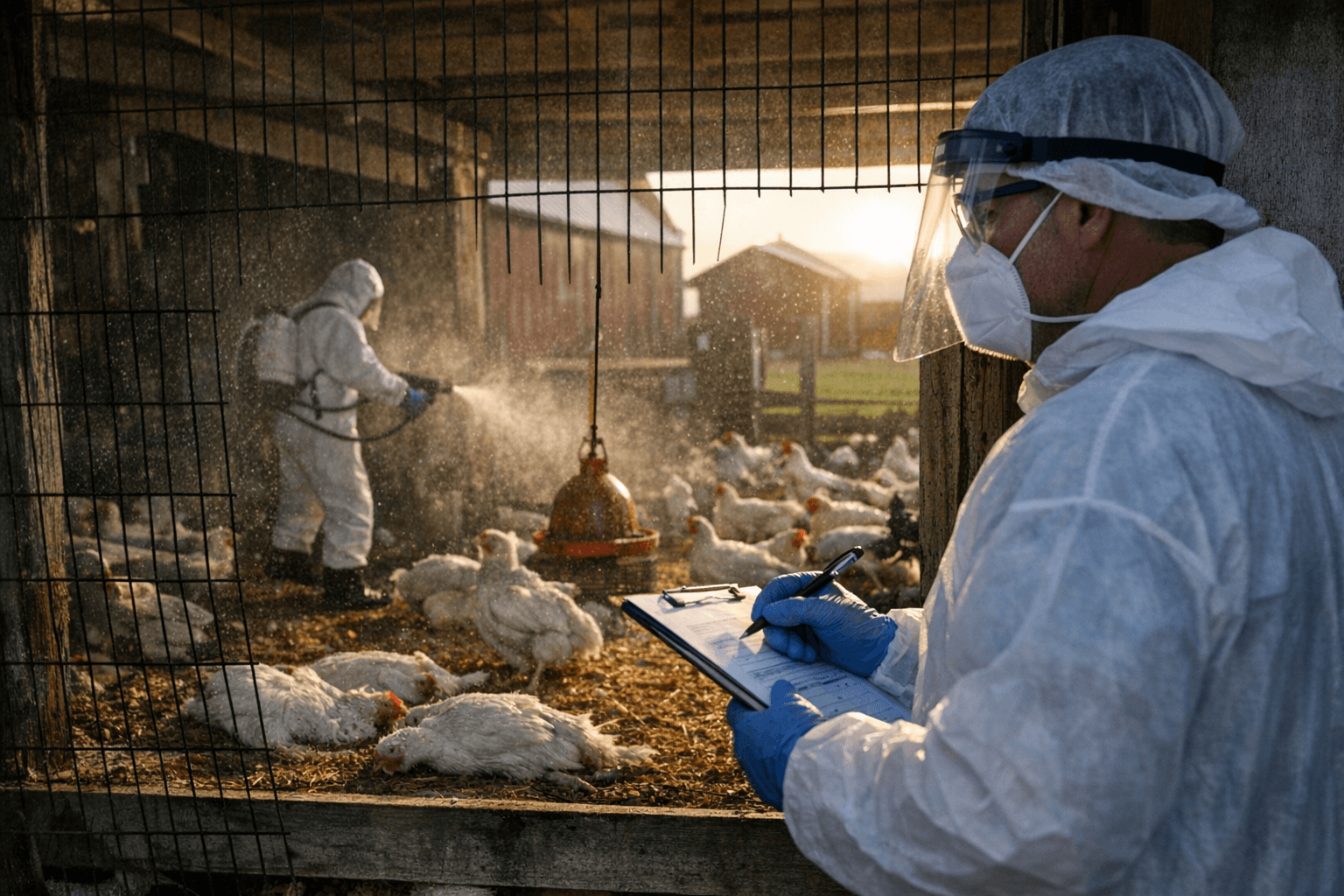
For Holmes County residents, that means heightened vigilance for both animal health and community impacts. The Wayne County advisory reviewed practical biosecurity steps and listed local outreach offerings, including an All About Sheep webinar (February 3rd at 7:00 PM), a Basics of Commodity Marketing session (February 3rd, 9:00 AM to noon at Secrest Arboretum Welcome Center), and a Beef Team webinar session on February 5th. Registration for webinars is free; for questions or to register, contact the OSU Extension office in Wayne County at 330-264-8722.
The immediate implications are clear: protect flocks, look out for unusual illness or unexplained deaths, and connect with Extension for the specific biosecurity measures it reviewed. The advisories signal that HPAI remains an evolving threat to small and commercial producers alike, with local economic and public health consequences if transmission spreads.
Know something we missed? Have a correction or additional information?
Submit a Tip