Home espresso basics: practical workflow for repeatable shots
A step-by-step home espresso workflow helps hobbyists dial in shots and steam milk consistently. Use measured dose-yield-time and a shot log to speed learning.
Getting consistent espresso at home comes down to one thing: a repeatable system. Start with the right kit, a clear workflow, and disciplined measurements and you’ll turn guesswork into predictable results. This piece lays out the essentials for dialing in shots, tasting for adjustments, and practicing milk texturing and simple latte art.
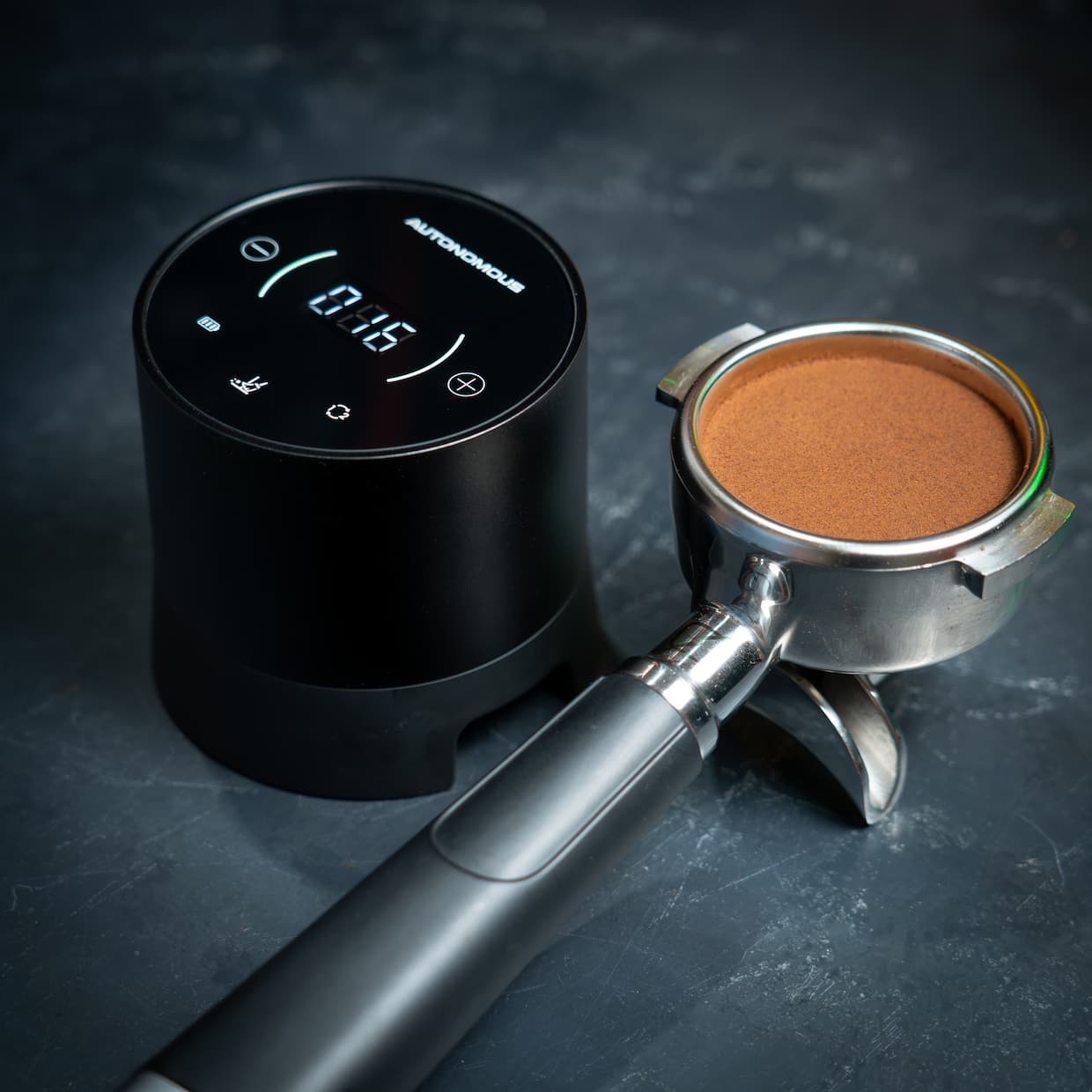
Equipment sets the ceiling. At minimum use a semi-automatic or prosumer automated espresso machine, a quality burr grinder (stepped or stepless), a dosing scale with 0.1 g resolution, a tamper that matches your basket, filtered water, fresh whole-bean coffee, and optionally a thermometer or milk pitcher with temperature markings. Fresh beans are key: choose specialty roasts stored in an airtight container away from heat and light, and grind just before brewing. Aim to brew beans roughly 3–4 weeks post-roast depending on roast profile.
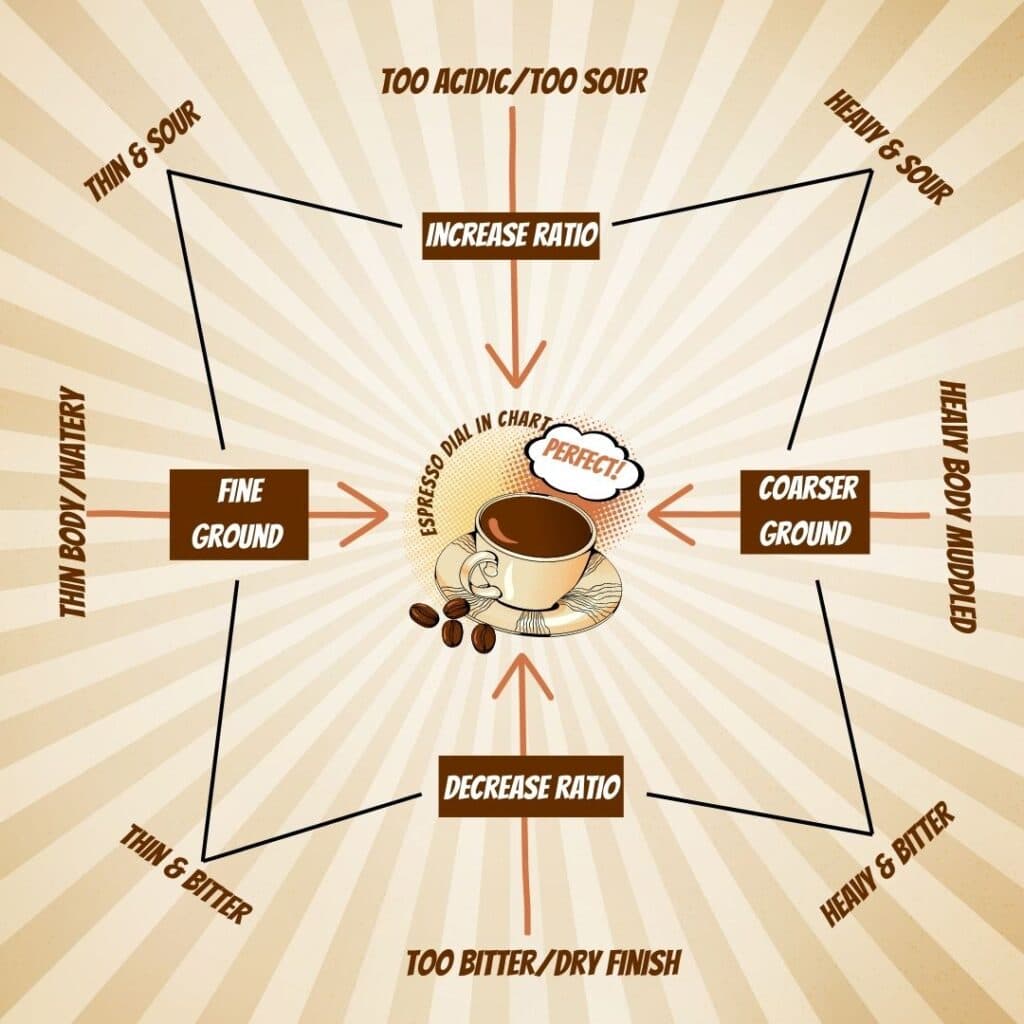
The reproducible core is dose, yield and time. A reliable home starting point is an 18–20 g dose in a single 58 mm basket targeting 36–40 g of liquid espresso in about 24–30 seconds from first pump activation. That’s roughly a 1:2 to 1:2.2 brew ratio; for example, 18 g to 36 g in 26 seconds. If the shot tastes sour or thin, move toward a higher dose, finer grind, or slightly longer extraction time. If it tastes bitter or hollow, coarsen the grind, reduce dose, or shorten the flow time.
Follow a simple dial-in workflow every time to build consistency. Purge the grouphead, flush and dry the portafilter and basket, weigh the dose into the basket, distribute and tamp level with consistent pressure, lock the portafilter and start the timer when the pump activates. Stop when you hit the target yield and record dose, yield, time, grinder setting and tasting notes. Make small grinder adjustments - one to two clicks at a time - and repeat until the cup is balanced.

Taste is the guide. Sourness indicates under-extraction, thinness signals weak extraction, and bitterness or astringency points to over-extraction. Seek sweetness balanced with pleasant acidity and the chocolate, fruit or roast notes particular to the coffee you're using.
Milk steaming is practice plus control. Use whole or barista-style milk for the easiest microfoam. Purge the wand, position the tip just below the surface to introduce air, create a whirlpool to stretch and polish the milk, and texture to about 60–65°C (140–149°F). Tap and swirl the pitcher to collapse large bubbles, then pour from mid-height to sink through the crema before lowering the pitcher to draw basic hearts or rosettas. Consistent pour speed and pitcher height make the pattern.
Troubleshoot by checking the basics: channeling often comes from poor distribution or uneven tamping; fast flow under 20 seconds typically means grind too coarse or dosing/bypass issues; very slow or no flow can be over-compaction, pump problems, or a blocked group. Keep a shot log, bean, roast date, dose, yield, time, grinder setting, taste notes, and make only small, methodical changes. Practice single-origin beans to learn flavor profiles, experiment with ratios, watch short technique videos, and join local or online home-barista communities for feedback. Follow this workflow and your home espresso will move from variable luck to reliable ritual, with faster improvements and better cups as a result.
Know something we missed? Have a correction or additional information?
Submit a Tip