Homebrewing shifts to process-driven experimentation and precision tools
Homebrewing has moved from guesswork to experimental, data-driven practice. Pro tools, lab-style testing, and tightened variable control are raising brewers' consistency.
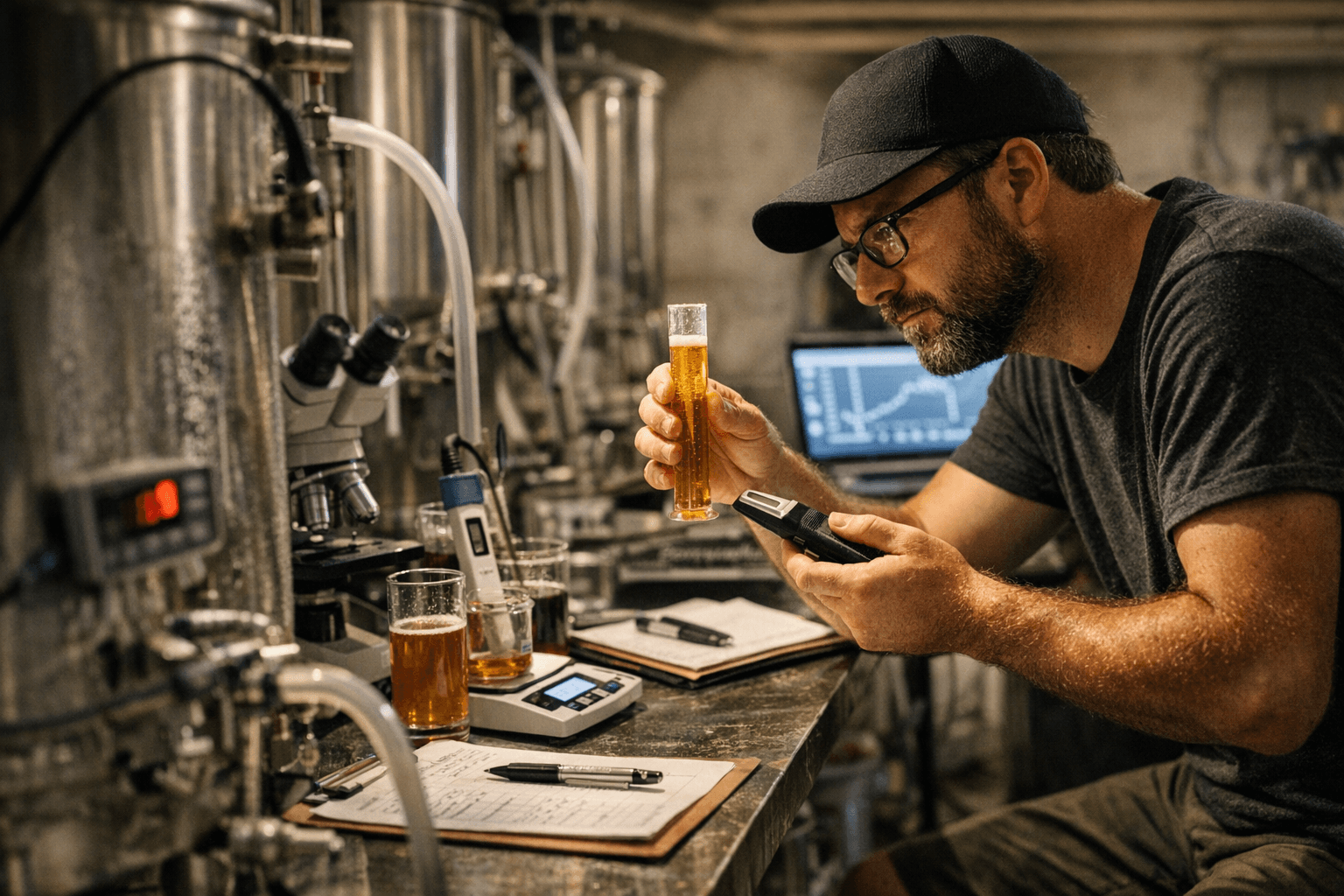
Homebrewing has quietly evolved from a seat-of-the-pants hobby into a process-driven, experimental craft where data and repeatability matter as much as creativity. Brewers across the community are focusing on controls and measurements that remove luck from the equation and turn curiosity into reliable results.
Temperature control, closed transfers, oxygen management, and regular gravity and pH monitoring are becoming baseline practices rather than optional upgrades. Treating yeast as a primary flavor driver has pushed many brewers to prioritize handling and consistency around fermentation, while hop choice is moving beyond variety names to oil composition and harvest year as decisive factors in aroma and bitterness. Water chemistry is also getting the kind of attention once reserved for pro brewhouses, with adjustments tailored to beer styles instead of relying on default tap profiles.
That shift is supported by a wave of small-scale equipment that brings professional capability to home setups. Glycol chillers, dedicated fermentation chambers, and precision electric all-in-one systems are now accessible to more brewers, allowing repeatable mash and fermentation temperatures, cleaner transfers, and tighter control over oxygen exposure. Those tools make one-variable-at-a-time experiments practical: change only the yeast strain, or only a hop lot, and track the difference instead of second-guessing a dozen altered inputs.
Sensory methods have matured alongside the gear. Blind tastings, triangle tests, and disciplined note-taking help separate perception from expectation and build shared vocabularies at club nights and online forums. Feedback nights remain central to the craft, offering calibrated palates and actionable critiques that accelerate learning. Community remains the secret ingredient: clubs, local meetups, and digital groups provide the peer review that validates experiments and spreads innovations.
For brewers looking to level up, practical first moves are clear: improve temperature control, start recording gravity and pH every batch, and design simple one-variable trials to test changes. Use blind tastings or triangle tests at feedback sessions to remove bias and capture useful sensory data. When budget allows, prioritize equipment that directly improves reproducibility, such as a fermentation chamber or a precise electric system.
The result is better beer across styles, from cleaner lagers to more controlled mixed-fermentation projects. As curiosity meets methodical testing, expect the craft to keep climbing: recipes will become more reproducible, quality will tighten across batches, and clubs will continue to be the laboratory where ideas are stress-tested.
Know something we missed? Have a correction or additional information?
Submit a Tip