Homeless advocates warn cutbacks would strip oversight from shelters
Dozens testified against a proposal to dissolve three advisory committees overseeing homelessness, arguing the change would erode accountability in shelter programs and services.
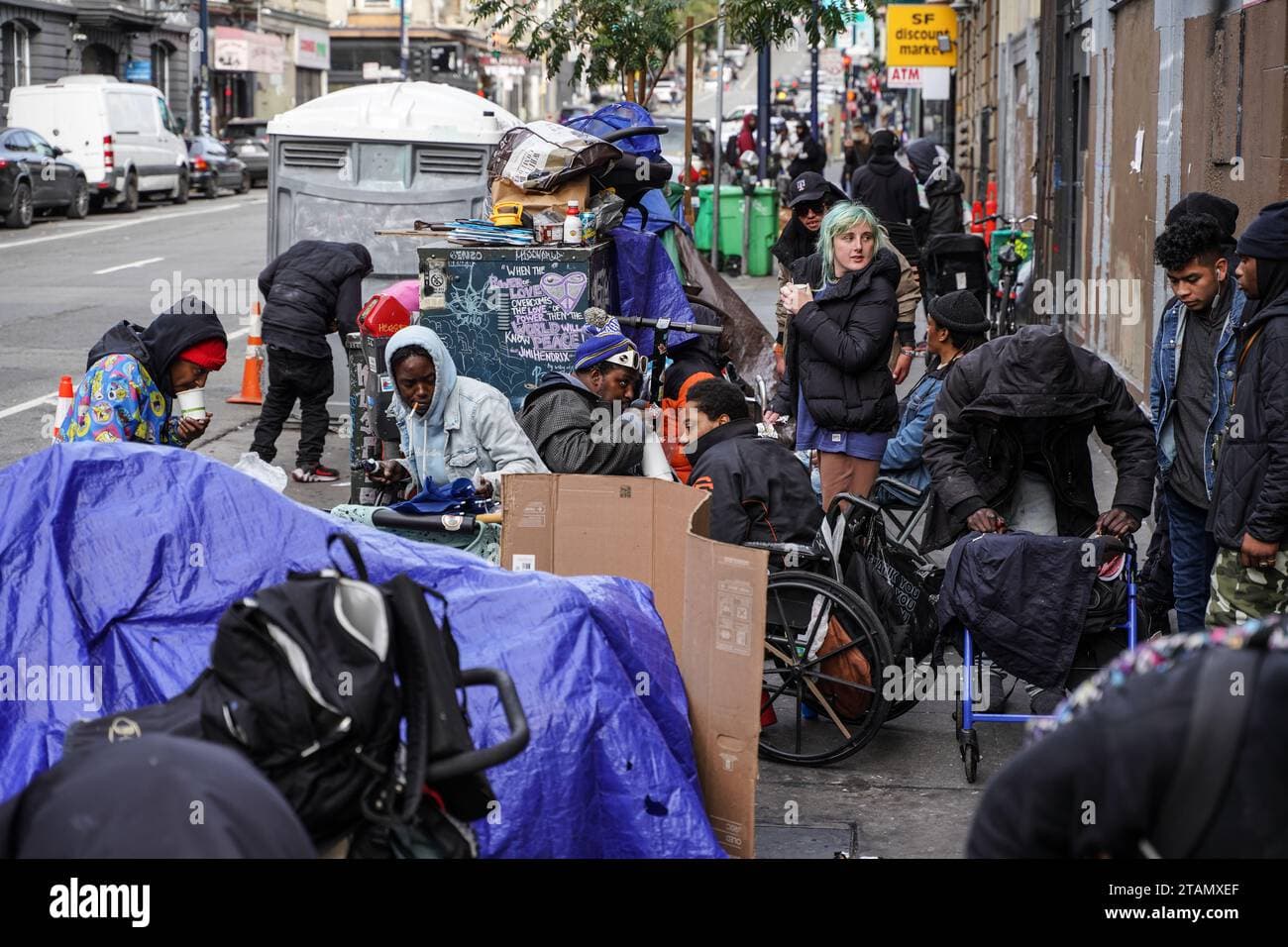
Dozens of homeless-services advocates packed a meeting of San Francisco’s Commission Streamlining Task Force on Jan. 14 to oppose a plan that would eliminate three advisory committees that provide oversight and community input on homelessness and shelter policy. Speakers at the hearing said the committees were the product of years of stakeholder engagement and function as checks and balances on city policy, and they warned that dissolving them would reduce transparency and weaken accountability for shelter programs and services.
The meeting brought into sharp relief a tension at the center of current city governance debates: the drive to streamline commissions and boards for administrative efficiency versus the need to preserve formal channels for community participation and scrutiny. Task force proponents argue consolidation can speed decision-making and remove duplicative bodies. Advocates counter that the specific advisory committees in question channel lived experience, provider expertise, and neighborhood perspectives into policy and operational oversight, roles not easily replaced by internal staff reviews or ad hoc engagement.
Institutionally, the proposal would shift oversight responsibilities away from semi-independent advisory bodies and toward fewer, more centralized decision points. That raises questions about how the city would maintain existing lines of accountability for contracted shelter operators, program outcomes, and compliance with service standards. With advisory membership typically including service providers, people with lived experience of homelessness, and community stakeholders, their elimination could narrow the evidence base and perspectives informing policy choices on shelter placement, program design, and funding priorities.
For residents and people experiencing homelessness, the immediate concern is practical: fewer formal venues to raise complaints, request changes, or influence program rules means potential delays in correcting operational problems at shelters and reduced opportunity to hold agencies accountable. For elected officials and civic organizations, the change could alter local advocacy dynamics and voting patterns by shifting where and how grievances are heard and resolved. Community engagement that once took place in routine committee meetings may move to citywide hearings or electoral channels, increasing the burden on grassroots groups and individual residents.
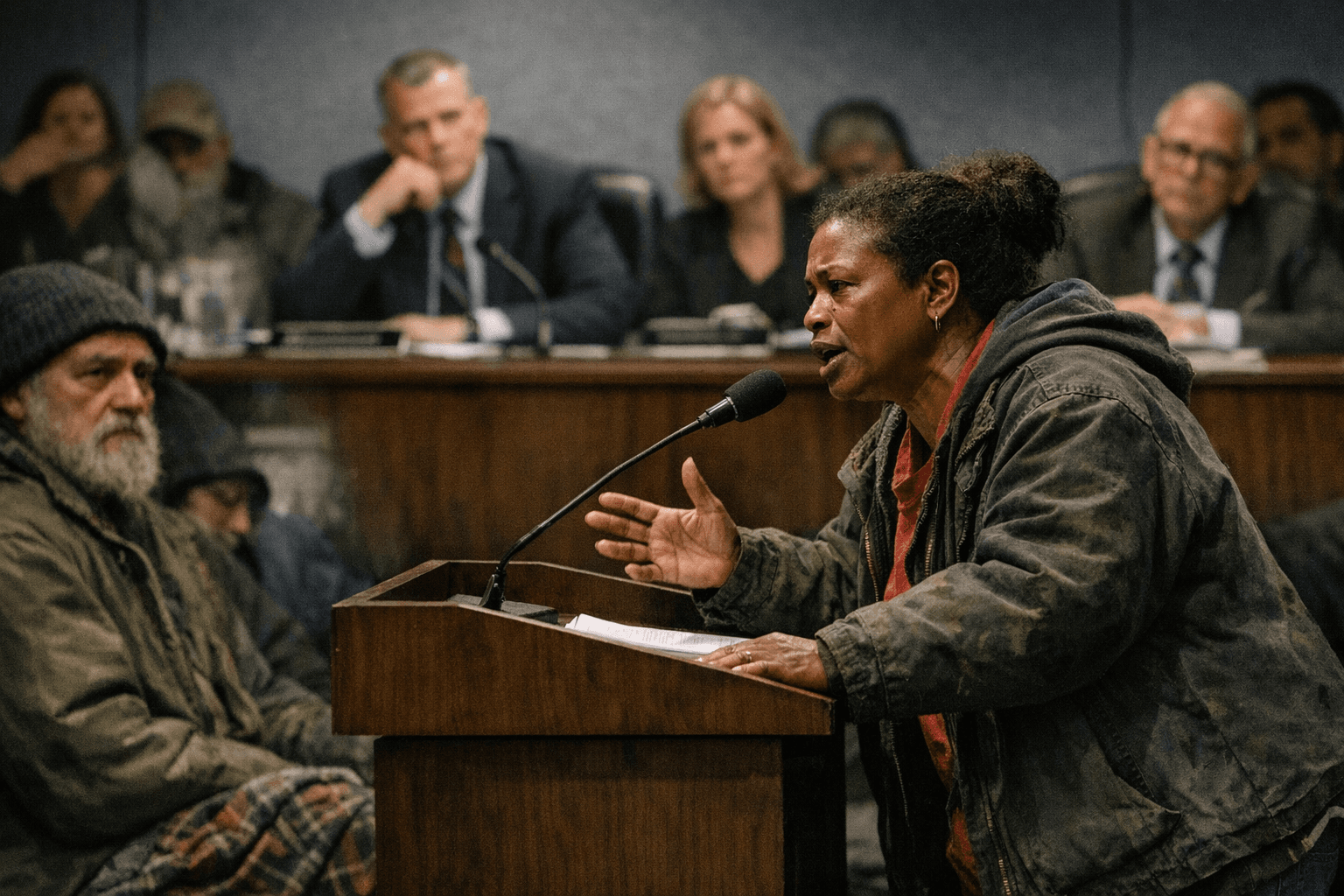
The Task Force is considering the proposal in the context of broader efforts to reorganize commissions and reduce administrative complexity. Its decision will determine whether oversight will be restructured internally or whether alternative accountability mechanisms will be created to replace the advisory committees’ functions.
What comes next matters for service quality and democratic participation: residents who want to preserve community oversight can monitor Task Force agendas, attend future meetings, and contact their supervisors and commission members to press for transparent replacement mechanisms that retain substantive input from people with lived experience and service providers. The outcome will shape how San Francisco balances efficiency with the checks and balances that community-led advisory bodies have built over years of engagement.
Sources:
Know something we missed? Have a correction or additional information?
Submit a Tip