Honey Badger Cubs Born at North Georgia Park, First U.S. Births
North Georgia Wildlife Park in Cleveland welcomed honey badger cubs on Jan. 16, a rare U.S. captive birth that boosts local conservation education and visitor interest.
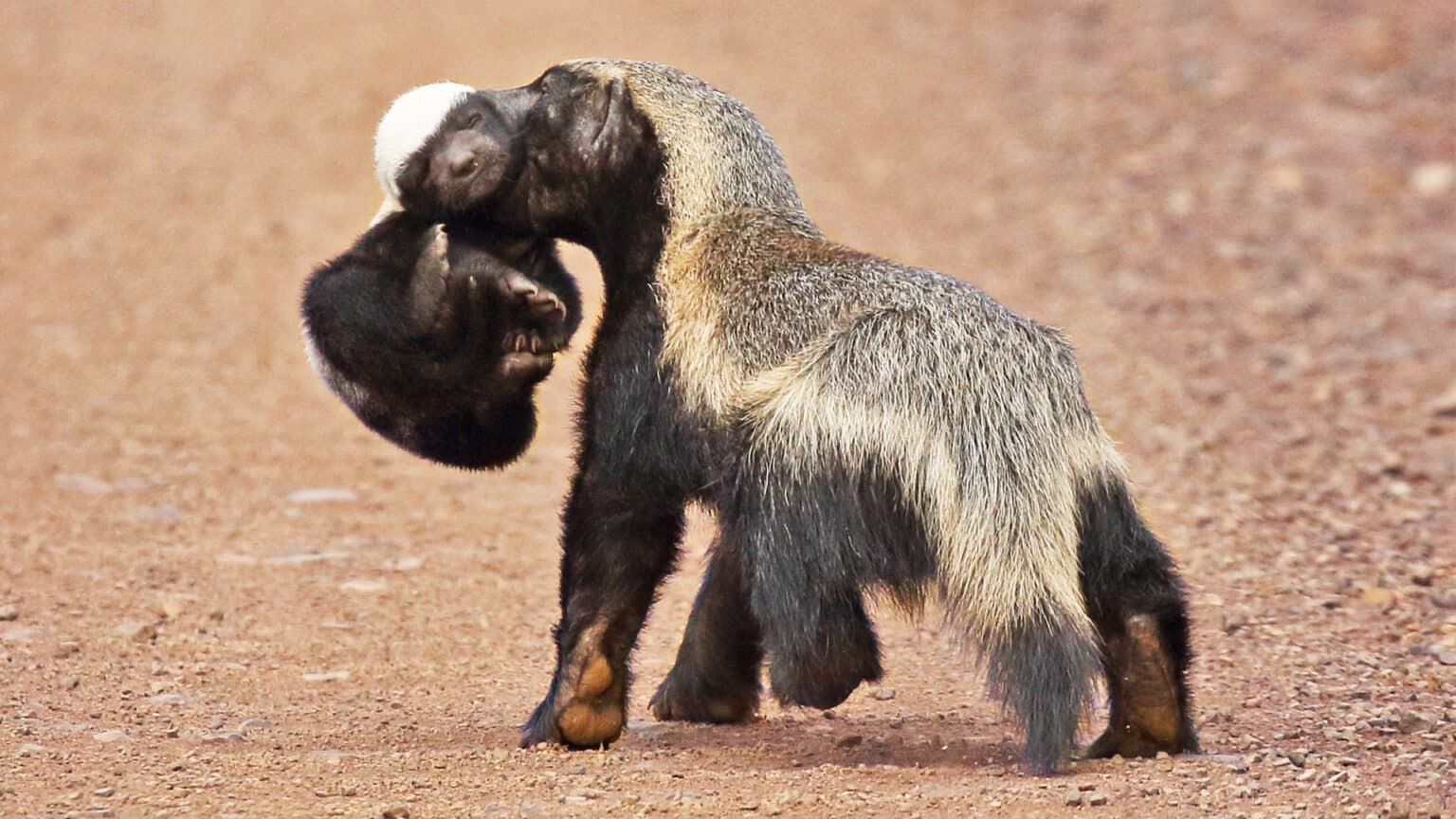
North Georgia Wildlife Park announced the birth of honey badger cubs, marking what the park director described as the first honey badger births in captivity in the United States in more than 15 years. The animals arrived at the Cleveland facility on January 16, 2026, and have already become part of the park’s animal encounter offerings for visitors.
The births are notable because honey badgers are uncommon in U.S. zoological collections and successful captive breeding is rare. Park staff photographed attendees and employees interacting with the animals, underscoring the park’s emphasis on close-up education as part of its broader mission of exotic animal conservation and public outreach. The newborns will be monitored as they develop, and the facility plans to integrate them into upcoming programs designed for families, schools, and conservation partners.
For Forsyth County, the event carries practical and civic implications. The park is a local draw for tourism and school field trips, and unique exhibits like honey badgers can increase visitation and related economic activity for Cleveland and surrounding businesses. Local officials and constituents will likely see requests for expanded parking, traffic management on busy days, and coordination with emergency services for crowd safety as the animals draw greater public attention.
Keeping and breeding exotic species also implicates regulatory and institutional oversight. Federal and state rules govern facilities that house nonnative animals, including USDA Animal Welfare Act standards and state permitting processes. Those regulations touch on animal welfare, enclosure standards, inspection schedules, and public-safety protocols. For local policymakers, the births present a reminder to review permitting, zoning, and public-safety coordination so community expectations align with regulatory requirements.
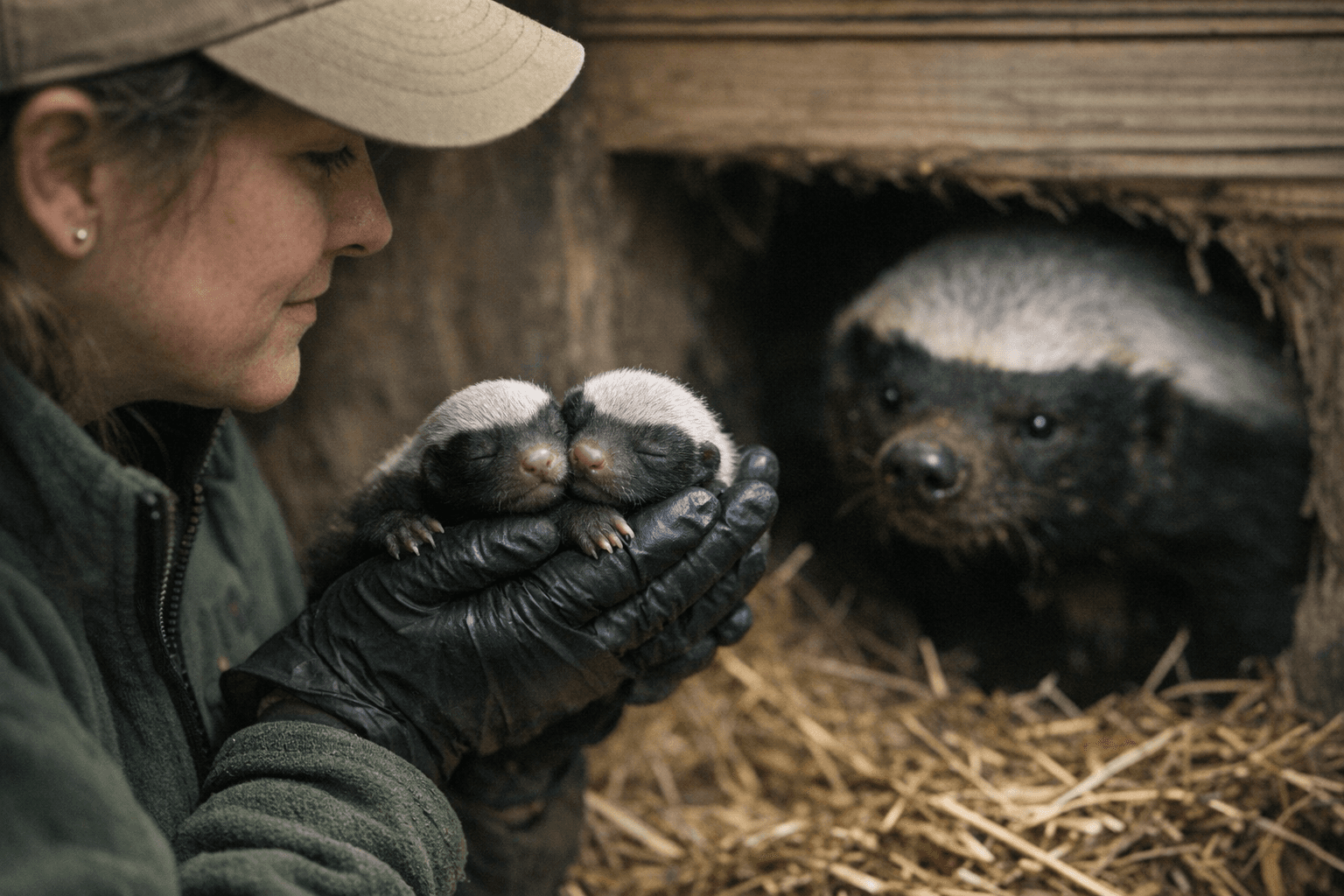
The park’s announcement highlights education as a central goal. North Georgia Wildlife Park positions its animal encounters as tools for teaching visitors about conservation challenges and species needs. For Forsyth County schools and civic groups, the cubs provide an opportunity for curriculum-linked visits and volunteer-engagement programs that can deepen local environmental literacy and stewardship.
There are also reputational risks and responsibilities. Exotic animal care requires sustained funding, veterinary support, and transparent reporting on animal health and breeding outcomes. Elected leaders and civic organizations in Forsyth County may find themselves weighing community benefits against oversight needs and resource allocation for public safety and infrastructure.
As the honey badger cubs grow, the park will make decisions about public access, educational programming, and long-term care. For residents, the immediate impact will be increased visitor activity and new learning opportunities; longer term, the births could shape local conservation partnerships and prompt renewed attention to how Forsyth County regulates and supports facilities that house exotic wildlife.
Sources:
Know something we missed? Have a correction or additional information?
Submit a Tip