Hosepipe bans hit eight million households amid worsening UK drought
More than eight million households face hosepipe bans as England’s hottest June on record collides with low reservoirs, falling groundwater and tougher drought controls.
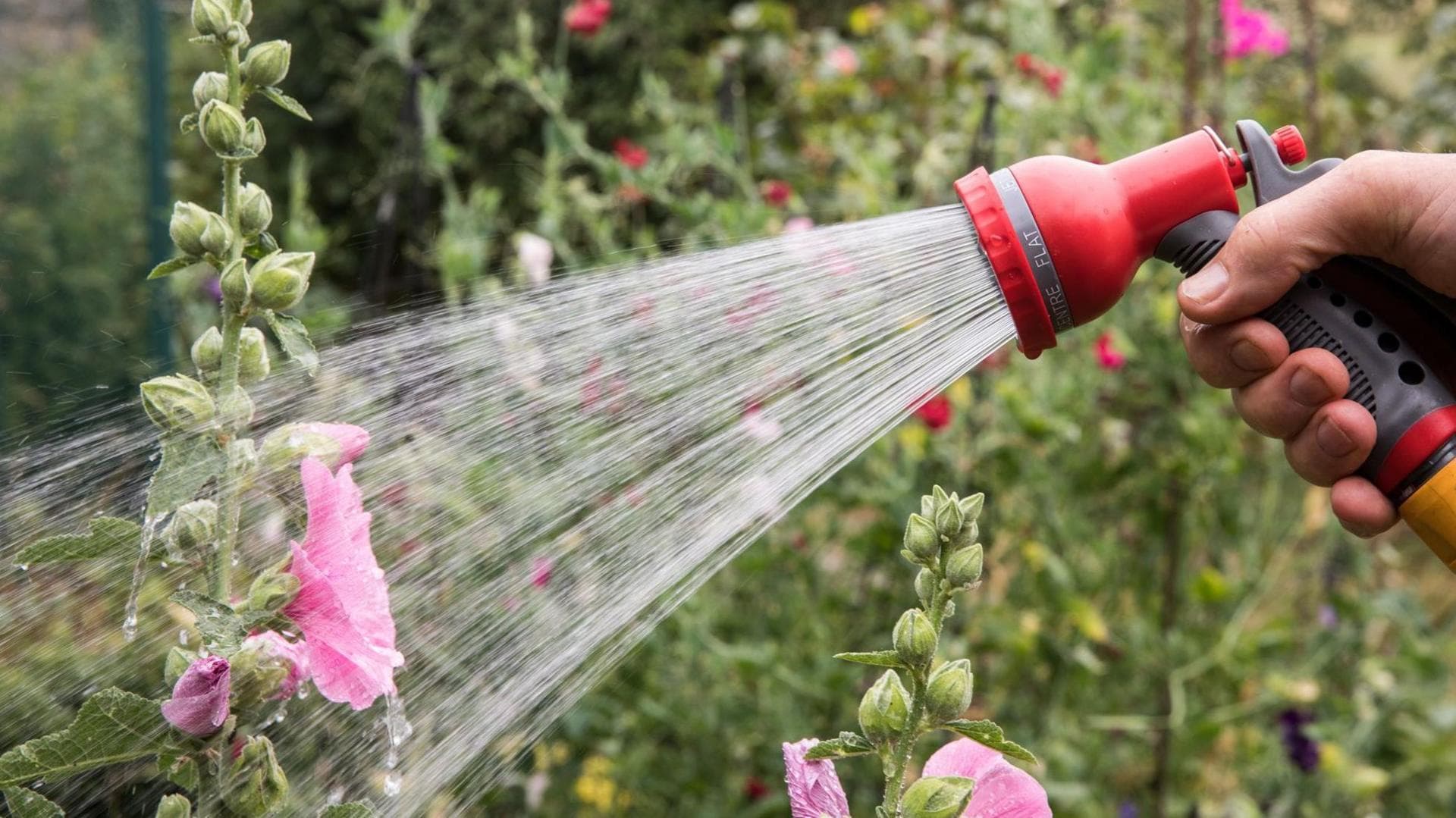
More than eight million households are now covered by hosepipe bans after South West Water tightened restrictions in Mid Devon and parts of East Devon, while Anglian Water brought in rules for more than five million customers across a wide stretch of eastern and southern England. South East Water was first to act, imposing the year’s first ban in Kent from 3 July. Southern Water followed with restrictions for Hampshire and the Isle of Wight from 10 July, after those parts of the Environment Agency’s Solent and South Downs area moved into prolonged dry weather status. Anglian Water’s ban took effect at 1am on 11 July across its region, including the East of England, Bedfordshire, Berkshire, Buckinghamshire, Hertfordshire, Surrey, London and Essex, and the company asked customers to "live within the spirit" of the rules immediately. Cambridge Water’s own ban was due to start on 17 July.
June 2026 was England’s warmest June on record, while the UK and Wales recorded their second warmest June in records going back to 1884. The UK also logged its eighth day at or above 34C in a single calendar year, beating the previous record of seven days set in 1976 and matched in 2020. Environment Agency data showed the end of June and start of July were very dry and very hot, with drier-than-average soils across all regions, falling river flows and groundwater levels at nearly all sites, and reservoir storage at 83%, about 2% below the long-term average for the time of year.
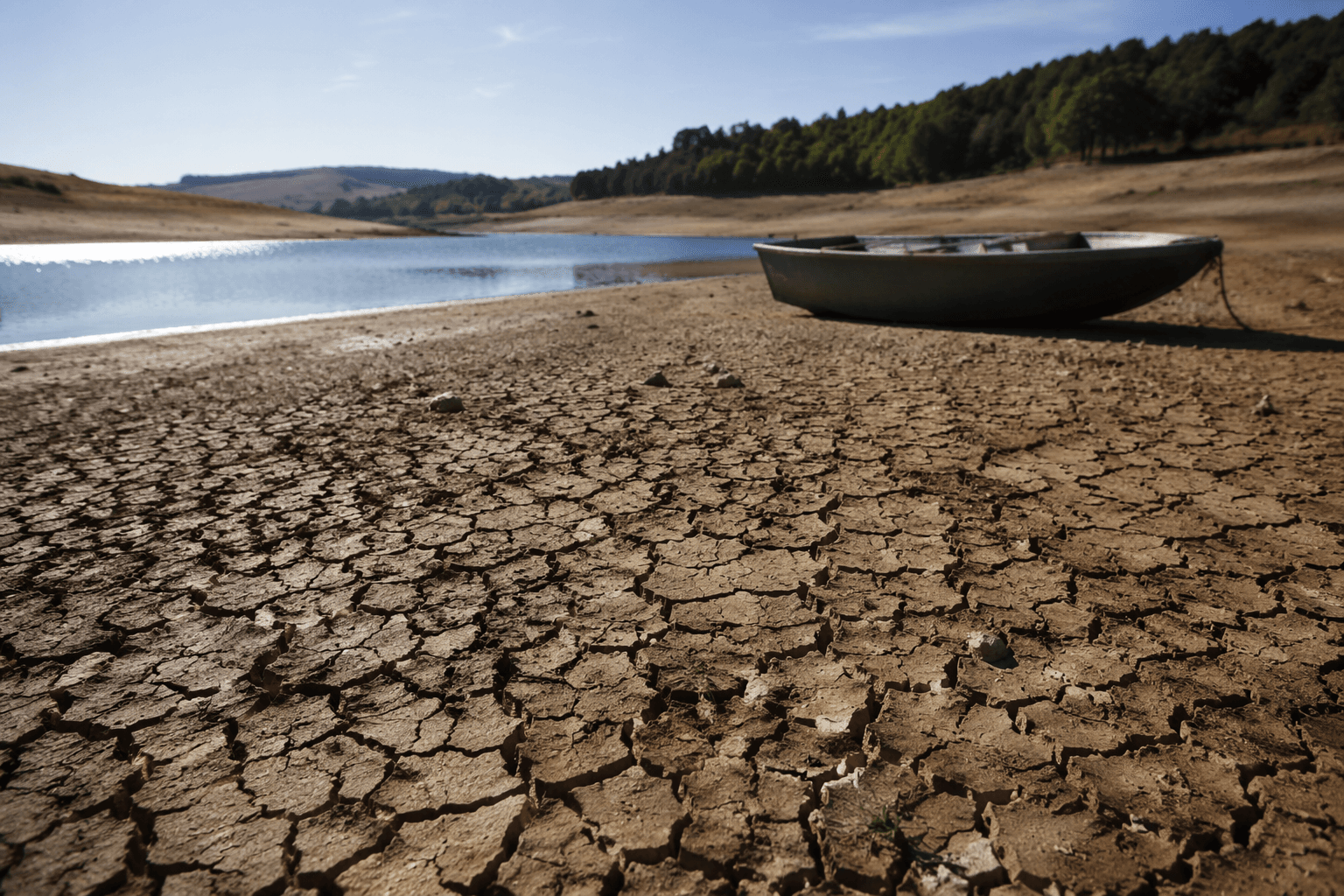
Water UK counts six companies that have now announced Temporary Use Bans: Affinity Water, Anglian Water, Cambridge Water, Southern Water, South East Water and South West Water. The companies are running leakage teams, shifting water across networks and checking groundwater, reservoir levels, river flows and weather forecasts daily. Affinity Water recorded demand in its area up 20% on average and is getting less water than usual from Grafham Water, which normally provides around 10% of the region’s supply.

Consumer Council for Water puts hosepipes at as much as 1,000 litres an hour, and breaching a ban can bring a fine of up to £1,000. Some exemptions remain, including certain uses by people on a Priority Services Register with mobility issues, and some non-mains sources such as rainwater or grey water.
No area is formally in drought, but the dry spell is already being felt on farms, with earlier cereal harvests, later-sown spring crops affected by the dry spring, and some East Anglian livestock farmers reporting forage shortages. The National Drought Group is due to meet monthly through the summer.
This article was produced by Prism’s automated news system from verified source data, official records, and press releases, then run through automated quality and moderation checks before publishing. The system is built and supervised by the people who set the standards it runs under. Read our full AI policy.
Did this article answer your question?